
Essential Camera Protection
Cold-weather photo shoots demand extra attention to protect your gear from the elements. Ensuring your camera remains safe and functional requires just a bit of prep.
Weather-Sealed Camera Bags and Cases to Shield Equipment
Invest in a high-quality, weather-sealed camera bag or case. These specialized bags are designed to keep out moisture, dust, and even snow, offering essential protection. Look for bags with padded interiors and customizable compartments to keep each piece of your gear secure and organized.
Protecting Against Condensation When Moving Between Temperatures
Transitioning between warm and cold environments can cause condensation on your equipment, potentially damaging sensitive electronics. To prevent this, place your camera in a sealed plastic bag before moving between temperatures. Allow it to adjust to the new temperature inside the bag, which helps avoid moisture build-up.
Moisture-Absorbing Silica Gel Packets for Equipment Storage
Keep moisture-absorbing silica gel packets in your camera bag. These packets help to absorb any residual moisture, ensuring your equipment remains dry. Replace them regularly, especially after particularly damp outings.
By prioritizing these protective measures, you can extend the life of your camera gear and ensure it performs faultlessly. Get ready to tackle the next critical element: maintaining your battery power in freezing conditions.
Battery Management
When preparing for cold-weather photo shoots, it’s crucial to manage your camera’s battery life effectively.
Carrying Multiple Fully-Charged Backup Batteries
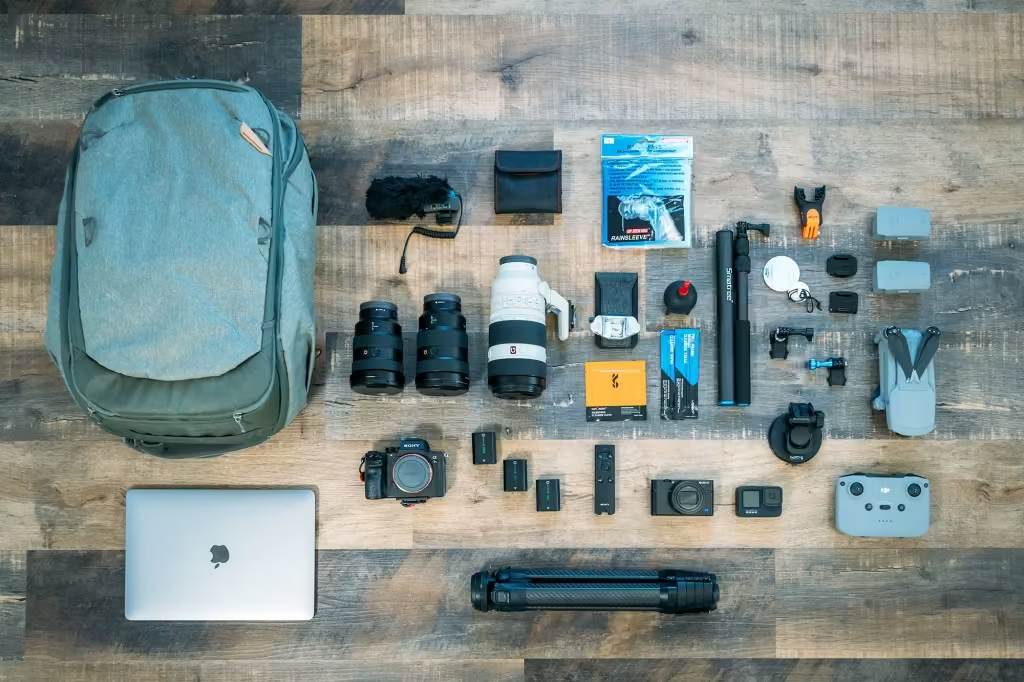
One of the most vital steps is to carry multiple fully-charged backup batteries. Cold temperatures can significantly reduce battery performance, so having spares is essential. Always ensure that all your batteries are fully charged before you head out. This can be a lifesaver during long shooting sessions in freezing conditions.
Keeping Batteries Warm in Inner Pockets
To prolong battery life, keep your spare batteries warm. Placing them in inner pockets close to your body heat can help maintain their charge. Cold batteries lose their effectiveness quickly, so keeping them warm until needed can make all the difference. When it’s time to swap, the warmed battery will be ready to perform at its best.
Reducing Battery Drain by Minimizing LCD Screen Usage
Another useful strategy is to reduce battery drain by minimizing your LCD screen usage. The LCD screen is one of the most power-consuming parts of your camera. Instead, use your viewfinder when possible and keep your review time short. Additionally, consider reducing the brightness of your LCD screen if you must use it; this will help conserve battery life.
A solid understanding of these practices will ensure that your camera remains energized and ready to capture stunning winter scenes. Proper battery management is just one part of a successful cold-weather photo shoot, and being prepared in this way allows you to focus on your photography without worrying about your equipment.
Personal Comfort and Safety
Layered Clothing Strategy for Temperature Regulation
Being well-dressed for cold-weather photo shoots isn’t just about comfort; it’s essential for safety and productivity. A layered clothing strategy allows you to regulate your body temperature effectively. Start with a moisture-wicking base layer to keep sweat off your skin. Follow this with an insulating layer, such as fleece or down, which will help retain body heat. Finally, add a waterproof and windproof outer layer to protect against harsh weather conditions. This layered approach enables you to add or remove layers as needed to stay comfortable and focused on capturing the perfect shot.
Waterproof and Insulated Photography Gloves
Your hands are your most important tools, and keeping them warm and functional is critical. Opt for waterproof and insulated photography gloves designed specifically for cold-weather conditions. These gloves often feature touch-screen compatible fingertips so you can operate your camera without exposing your hands to freezing temperatures. A good pair of gloves can make the difference between a successful shoot and one cut short by the cold.
Hand and Toe Warmers for Extended Shoots
Extended shoots in frigid conditions can be especially challenging. Pack hand and toe warmers as part of your essential gear. These small, disposable heat packs provide hours of warmth and can be a lifesaver for maintaining dexterity and comfort. Simply shake them to activate and place them in your gloves or boots. This small preparation step can significantly enhance your ability to stay out longer and capture the perfect winter scenes.
Personal comfort and safety measures not only keep you warm but also allow you to focus better on your photography. As we move forward, having the right stabilization equipment can be just as crucial in cold-weather conditions.
Stabilization Equipment
Selecting a Sturdy Tripod for Winter Conditions
When embarking on a cold-weather photo shoot, ensure your camera is stable. This should be one of your primary concerns. You may face potentially treacherous terrain and freezing temperatures. Selecting a reliable tripod is crucial. For winter conditions, opt for sturdy tripods made from materials like carbon fiber or aluminum. These materials provide lightweight strength. They also resist temperature fluctuations. This ensures your tripod doesn’t crack or become brittle in the cold.
Anti-slip Tripod Feet or Spikes for Icy Surfaces
Winter landscapes often come with slippery surfaces that can challenge the stability of your tripod. To combat this, choose tripods equipped with anti-slip rubber feet or attachable spikes. Rubber feet provide gripping power on slick surfaces, while spikes dig into icy or snowy ground, providing the necessary traction. Both options ensure your camera remains steady and helps you capture sharp, clear images even in the most challenging winter environments.
Remote Shutter Release to Minimize Camera Shake
Even with a sturdy tripod and secure footing, slight camera movements can still occur. These movements happen when you simply press the shutter button. This can blur your shot. A remote shutter release is a simple yet effective tool to eliminate this risk. Using a remote allows you to trigger the camera without physically touching it, thus avoiding any accidental camera shake. This is particularly useful in cold weather when gloves can make handling small buttons and controls more cumbersome.
By investing in the right stabilization equipment, you’ll enhance your winter photography experience significantly. Now that we have our gear stabilized, we’ll next consider other essential gear considerations.
Additional Gear Considerations
Lens Cleaning Supplies for Snow and Moisture
When shooting in snowy conditions, your camera lens will inevitably encounter moisture. Always keep lens cleaning supplies on hand to maintain clear, sharp images. Use a lens cleaning brush or blower to remove snowflakes and dust before wiping the glass. A microfiber cloth and lens cleaning solution are effective for ridding your lens of smudges and condensation without scratching the surface.
Emergency Kit with Basic Tools and Repair Items
An emergency kit can be a lifesaver during cold-weather photo shoots. Include small tools like screwdrivers and pliers for field repairs. Duct tape or gaffer tape is handy for quick fixes, such as securing loose parts. Consider packing extra screws, plastic zip ties, and a multi-tool to address unexpected equipment failures.
Backup Memory Cards Rated for Cold Temperatures
Reliable memory cards are essential, especially in harsh weather. Always carry backup memory cards designed to function in low temperatures. Rugged, cold-resistant cards ensure that your captured moments are safely stored and not at risk due to extreme conditions. Opt for high-quality brands known for durability to avoid the heartbreak of missing crucial shots.
Preparing with the right gear ensures smooth and hassle-free winter shooting. Remember to scout locations and plan your shoot meticulously for the best results.
Pre-Shoot Planning
Checking Weather Conditions and Sunset/Sunrise Times
Before heading out for your winter photo shoot, it’s vital to check the weather forecast. Understanding the conditions you’ll be facing helps you prepare and ensure your safety. Look for detailed information on temperature, wind chill, and precipitation. Use reliable weather apps or websites to get accurate and up-to-date forecasts.
Keeping track of the sunset and sunrise times is equally important. Winter days are shorter, and you have a limited window of daylight to work with. Knowing these times helps you plan your shots, set up your equipment, and warm up effectively. Being aware of twilight periods can also give you extra minutes of natural light for those perfect shots.
Scouting Locations for Shelter and Accessibility
Scouting your shooting locations ahead of time can make a significant difference. Look for spots that offer some form of shelter—whether it’s a nearby cabin, an overhang, or just a thick forest canopy. These shelters can protect you from harsh winds and snow while providing a place to warm up and take breaks.
Consider the accessibility of your chosen locations. Snow and ice can make some areas impassable, so ensure you have a route that is safe and feasible. Using topographical maps and apps can help you identify the best paths, and checking recent trip reports can give you insights into current conditions.
Informing Others of Your Shooting Schedule and Location
Safety should always be a top priority, especially when you’re out in the elements. Inform someone trustworthy about your shooting schedule and exact location. Share details like your planned route, expected return time, and emergency contact information. This ensures that someone knows where you are and can provide assistance if needed.
Update your contact periodically throughout your shoot. Modern technology like satellite communicators or apps can let you send your location even in areas without cell coverage. Taking these precautions ensures your safety and gives you peace of mind to focus on capturing stunning winter landscapes.
Meticulously plan and prepare for each aspect of your cold-weather photo shoots. This enhances your safety in challenging conditions. It also maximizes your photography potential.



