

Getting Started: Essential Gear
Quality Binoculars and Their Basic Features for Bird Watching
Quality binoculars are a birder’s best friend. When choosing binoculars, look for ones with a magnification power between 8x and 10x. This range offers a balanced view, providing enough magnification without sacrificing field of view or stability. Check for multi-coated lenses as well; they minimize glare and enhance clarity, making it easier to spot those elusive birds. Waterproof and fog-proof models are ideal, especially given the varied climate of the Catskills.
Reliable Field Guides
Having a reliable field guide is crucial for identifying the various bird species you’ll encounter. Physical guides, such as the “Sibley Guide to Birds,” are comprehensive and easy to reference. For those who prefer digital tools, there are excellent mobile apps like Audubon Bird Guide and Merlin Bird ID. These apps offer a searchable database of species, bird calls, and even location-based suggestions, making them invaluable in the field.
Notebook or Digital Device for Recording Observations
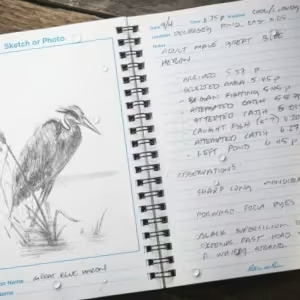
Recording your observations can make bird watching more rewarding and educational. A sturdy notebook is perfect for jotting down notes about species, behaviors, and locations. If you prefer a digital approach, apps like eBird allow you to log sightings and contribute to citizen science. Whether you go analog or digital, detailed notes can help track your progress and improve your birding skills.
Take some time to gather your essential gear to ensure a fun and successful birding experience in the Catskills. Next, it’s time to focus on dressing appropriately for the adventure.
Dressing for Success
Exploring the great outdoors in the Catskills requires not just the right gear, but also the right attire. Clothing can significantly enhance your bird watching experience, ensuring you stay comfortable no matter the season.
Weather-Appropriate, Neutral-Colored Clothing for Different Seasons
One of the fundamental principles of dressing for birding is to blend in with your surroundings. Opt for neutral, earthy tones such as greens, browns, and grays, which help you stay unnoticed by the birds. Bright colors can easily startle them, hindering your observation efforts.
- Spring and Summer: Lightweight, moisture-wicking fabrics are ideal. They keep you cool and dry, even during those long hikes. Quick-drying pants and shirts with long sleeves can protect you from both the sun and insects.
- Fall: As the temperatures drop, so should your choice of clothing layers. Medium-weight fabrics and thermal undergarments provide warmth against the chill without being too bulky.
- Winter: Heavier layers, thermal wear, and insulated jackets are crucial. Consider wearing waterproof over-layers to tackle unexpected rain or snow.
Comfortable, Waterproof Hiking Boots for Catskills Terrain
Footwear is just as crucial as the clothing you choose. The Catskills present varying terrain, from rocky paths to muddy trails, which means your boots need to be both comfortable and durable.
- Waterproofing: Ensure your boots are waterproof. Wet feet can quickly spoil an otherwise enjoyable birding session.
- Support: Look for boots with good ankle support to keep you stable on uneven ground.
- Grip: A reliable tread is essential for dealing with slippery surfaces and ensuring your safety on challenging trails.
Layering Strategies for Variable Mountain Weather
Mountain weather can be unpredictable. The key to staying comfortable is effective layering, which allows you to adjust your clothing based on the temperature variations.
- Base Layer: Start with a moisture-wicking base layer that keeps sweat away from your skin.
- Insulating Layer: Add a middle layer of fleece or down to trap warmth.
- Outer Layer: Finish with a breathable, waterproof outer layer to shield you from wind and rain.
Being well-prepared with the right clothing ensures you have a pleasant and successful birding experience no matter the season. Now that you’re dressed to impress, you’re ready to explore the best birding locations in the Catskills and enjoy the wonders of nature at its finest.
Best Birding Locations in the Catskills
Popular Birding Trails and Observation Points
The Catskills offer a wide array of trails where bird enthusiasts can explore and observe various bird species in their natural habitats. Some popular trails include:
- Hunter Mountain: Known for stunning vistas and a variety of bird species such as warblers and thrushes.
- Slide Mountain: Offers a challenging hike with opportunities to spot high-altitude species like the Bicknell’s Thrush.
- Bashakill Wetlands: A fantastic spot for waterfowl and marsh-dwellers, providing both walking paths and observation platforms.
- Overlook Mountain: Features ruins and a fire tower, attracting a range of bird species and providing excellent views.
Seasonally Active Bird Sanctuaries and Preserves
If you prefer more specific locations with higher chances of bird sightings, the Catskills feature sanctuaries and preserves that are particularly active during certain seasons:
- John Burroughs’ Woodchuck Lodge: This preserve is bustling with activity during spring and fall migrations.
- Roxbury’s Stamford Wetlands: Excellent for winter birding when filled with migrating waterfowl.
- Esopus Bend Nature Preserve: Known for its variety of songbirds, especially vibrant during summer.
Accessibility and Parking Information
When planning your birding trip, consider accessibility and parking to ensure a smooth experience:
- Most trails, such as those at Hunter Mountain and Slide Mountain, have designated parking areas at the trailheads.
- The Bashakill Wetlands has ample parking and even some accessible boardwalks suitable for people with mobility issues.
- Preserves like John Burroughs’ Woodchuck Lodge offer adequate parking spaces and well-marked paths to guide visitors.
To maximize your birding adventure, equip yourself with the right gear, check local guidelines, and respect the natural surroundings. With these considerations, your birding trips in the Catskills will be both enjoyable and fruitful.
Basic Birding Techniques
How to Spot and Identify Birds Using Visual and Audio Cues
Spotting and identifying birds can be an enriching experience, combining patience, attention to detail, and knowledge. Birders often start by observing the general shape and size of the bird. Look for silhouettes and note the bird’s posture and behavior. Observe any distinct coloration and markings on various parts of the bird, including the wings, tail, and beak.
Equally important is listening for bird songs and calls. Many birds have unique sounds that can help identify them even if they aren’t visible. Invest time in learning common bird songs and calls through audio guides or mobile apps. Pay attention to the pitch, rhythm, and repetition of the sounds birds make, as these are key identifiers.
Best Times of Day for Bird Watching
Birds are most active during the early morning and late afternoon. The soft light during these hours makes it easier to spot birds as they search for food, establish territory, and engage in other activities. Dawn is especially productive because birds are busy and vocal, making it simpler to identify them. Similarly, late afternoon can also be fruitful as birds prepare to roost for the night.
Proper Birding Etiquette and Wildlife Respect
Birding etiquette ensures a safe and enjoyable experience for both birders and the birds themselves. Keep a reasonable distance from birds to avoid disturbing them. Use binoculars or a zoom lens to observe without intruding. Move slowly and quietly to minimize disruption to the birds’ environment.
Remember to stay on designated paths and trails to protect delicate habitats. Respect private property and other birders’ space. Avoid using audio playback, as this method can stress birds and disrupt their natural behaviors. Lastly, always carry out what you bring in, leaving natural areas pristine for others to enjoy.
Photography Basics
Camera Equipment Recommendations for Different Skill Levels
When it comes to bird photography, the right equipment can make a big difference. For beginners, a simple point-and-shoot camera with a decent zoom can be a good start. As you gain experience, consider upgrading to a DSLR or mirrorless camera with a telephoto lens (300mm or higher). Advanced birders might invest in high-end camera bodies and prime lenses with faster autofocus to capture high-quality images.
Basic Photography Techniques for Capturing Birds
Capturing the beauty of birds requires a few key techniques:
- Patience and Stealth: Move slowly and quietly to avoid startling your subject.
- Focus on the Eyes: Sharp, in-focus eyes can make your photos more engaging.
- Use Continuous Shooting Mode: This helps you capture birds in motion without missing the perfect moment.
- Consider the Background: A clean, uncluttered background helps your subject stand out.
Best Camera Settings for Wildlife Photography
To capture stunning images of birds, adjust your camera settings as follows:
- Shutter Speed: Use a fast shutter speed (1/1000s or faster) to freeze motion.
- Aperture: Set a wide aperture (f/4 to f/7.1) to create a shallow depth of field, which isolates the bird.
- ISO: Choose an ISO setting that maintains image quality while allowing for a fast enough shutter speed in varying light conditions.
- Autofocus: Use Continuous AF or AI-Servo mode to keep moving birds in sharp focus.
As you master these techniques and settings, you’ll be better equipped to capture memorable bird photographs. Once you’re comfortable with the basics, you’ll find each new birding adventure brings opportunities to refine your skills.
Seasonal Considerations
Migration Patterns in the Catskills Region
Bird migration in the Catskills is a spectacular event you won’t want to miss. During spring and fall, many bird species pass through the region on their migratory routes. In spring, look out for warblers, hummingbirds, and hawks as they head north to their breeding grounds. In fall, flocks of geese, ducks, and songbirds make their way south for the winter. Monitoring local bird reports and using bird migration apps can help you stay updated on the best times to witness these events.
Seasonal Bird Species to Look For
Each season in the Catskills brings a new array of bird species. In spring and summer, you can find nesting species like the Eastern Bluebird, Scarlet Tanager, and various warblers. Autumn is prime time to spot migrating raptors such as the Broad-winged Hawk and the Northern Harrier. Winter birding might be challenging due to the cold, but it offers sightings of hardy species like the Snowy Owl and the Bald Eagle.
Weather Considerations and Safety Precautions
The weather in the Catskills can be unpredictable, so always check the forecast before heading out. Dress in layers and bring rain gear to stay dry. Plan your birding outings with enough time to return before dark as mountain areas can get chilly and visibility can decline quickly. Having a map, a charged phone, and enough food and water are essential for a safe and enjoyable birding experience.



