
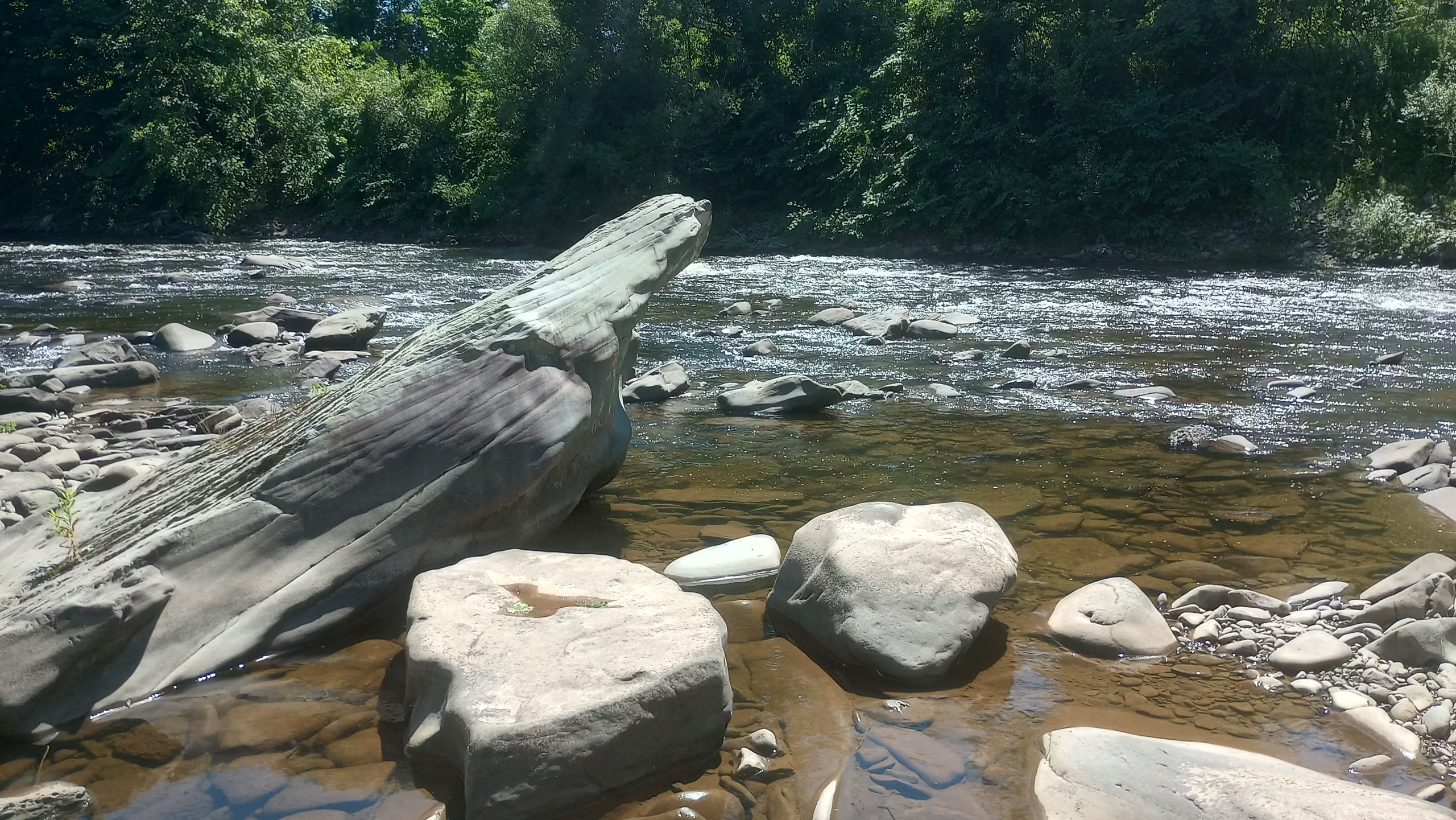
Introduction to the Beaverkill River: A Catskill Fly Fishing Treasure
A Legacy in American Fly Fishing
Tucked into the rolling forests of the Catskills, the Beaverkill River has long been a cornerstone of American fly fishing. Since the late 1800s, its banks have witnessed some of the first dry-fly innovations in the United States. Anglers flocked here not only for the wild, wary trout but also for the lore—clubhouses, legendary pools, and stories swapped beside campfires.
Geography and Challenge
The Beaverkill starts as a modest stream, then gains momentum as tributaries join and it tumbles over rocks and through valleys. Its stretches vary widely, with fast-moving riffles, deep, mysterious pools, and classic runs. This variety means no two days are ever alike. Changing flows and currents force even experienced anglers to adjust their approach, making each outing a new puzzle.
What Makes Trout Here So Selective?
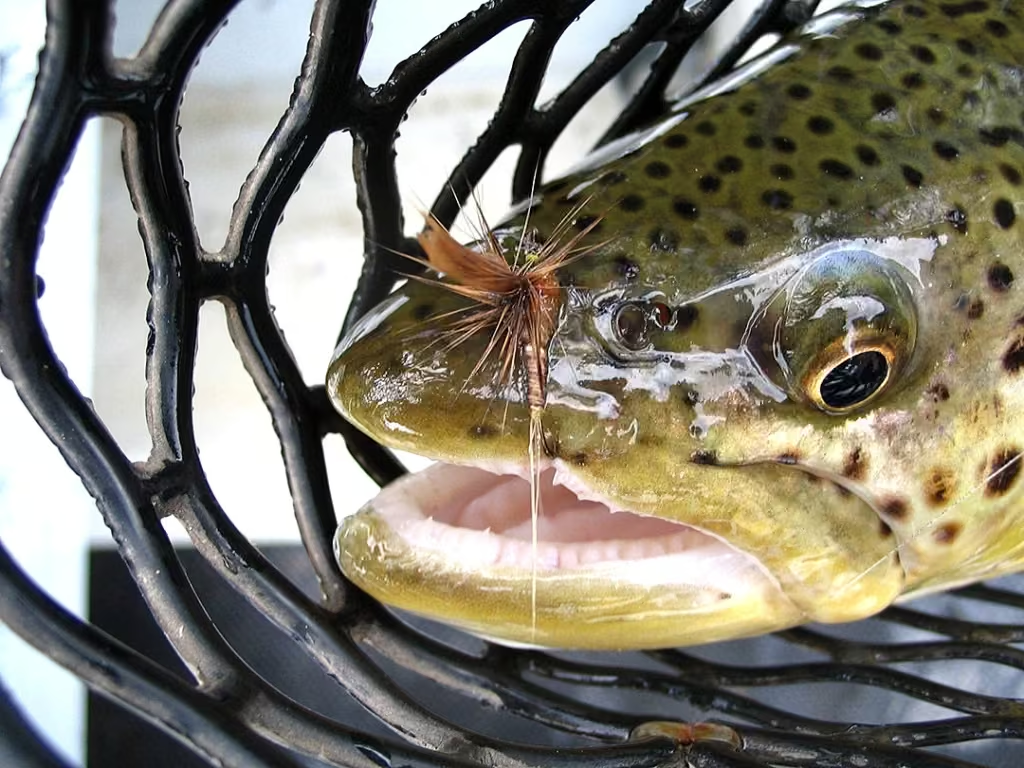
Beaverkill trout are survivors. Because the river is clear and the insect life vibrant, these fish see many artificial flies day after day. Over time, they’ve become experts at spotting what’s real and what’s not. Their selectivity challenges anglers to present flies perfectly and match what’s hatching at any given moment. Specialized techniques, such as achieving a flawless dead-drift, become the difference between landing a trophy or going home skunked.
Exploring the river’s distinct sections reveals even more about how to meet these challenges head-on.
Understanding Beaverkill River Sections and Their Unique Characteristics
The Beaverkill River is split into two main sections, each with its own personality. The upper section is narrower, with freestone flows coursing over rocky beds. Water here moves quickly, bouncing over shallow riffles and spilling into shaded pockets. These riffles are loaded with oxygen, making them ideal for mayflies and caddis to thrive. Trout love to hold here when food is plentiful.
Head downstream, and the river widens. The lower Beaverkill features broad, deep pools tucked between gravel bars and gentle bends. These pools hold bigger, warier trout who watch for danger from the safety of deeper water. Approaching these slow stretches takes patience and stealth, as fish here are quick to spook.
Each section offers a new set of challenges, keeping every angler alert to changing water and wary fish. This varied water sets the stage for mastering trout presentations—a crucial step on your Beaverkill journey.
Mastering the Dead-Drift Presentation for Selective Trout
Why Dead-Drift Matters on the Beaverkill
The Beaverkill River is famed for its crafty, selective trout. These fish have grown wary due to clear water and steady angling pressure. To fool them, your fly must drift naturally, matching the movement of a real insect. The dead-drift presentation mimics this—no unnatural movement, just your fly floating with the current.
Step-by-Step for a Natural Drift
- Pick your target and plan your cast so the fly lands upstream of feeding trout.
- Use a high-sticking technique or mend your line immediately to keep slack off the water.
- Watch your fly and leader closely. Adjust your rod to keep the fly drifting naturally, avoiding any drag.
- Allow the current to do the work—your fly should drift at the same speed as the bubbles and debris.
Mistakes to Avoid
- Don’t let your fly or line move faster or slower than the current; trout will spot this immediately.
- Avoid too much slack, which can spoil hooksets, but don’t keep the line too tight or you’ll create drag.
- Reposition often, especially in tricky currents or when wind picks up.
Success with the dead-drift sets you up for those exciting moments when the next hatch kicks off and trout feed with abandon.
Seasonal Hatches: Matching Your Flies to Beaverkill’s Aquatic Calendar
Spring Hatches Fuel Excitement
When the chill of April and May gives way to warming days, Beaverkill’s riffles and runs come alive. Early season sees Hendricksons and Blue Quills hatching in abundance. These insects are the signal for hungry trout to move into feeding lanes. Fish a matching dry fly or a lightly weighted nymph just beneath the surface. Pay attention to subtle rises—Beaverkill trout can be deliberate feeders this time of year.
Summer Brings Variety and Challenges
As water warms, the river teems with insect life. Green Drakes create dramatic hatches, followed by steady Isonychia emergence. On quieter afternoons, terrestrials like ants and beetles become important. Use small, realistic patterns, and vary your presentations, since trout can grow picky after heavy insect waves. Shade and deeper runs become refuge for both bugs and fish.
Fall’s Last Feasts
By autumn, hatches slow but never stop entirely. Tiny Blue-Winged Olives pepper the water on cooler days, often drawing out the season’s largest, most cautious trout. Stay patient, using sparse flies and fine tippets. Cool weather makes fish more active for short windows, so time your outings for midday warmth.
Matching your fly selection to these seasonal cycles is the surest way to keep your line tight and your adventure vibrant on this legendary river.
Essential Fly Patterns for Beaverkill Success
Go-To Dry Flies for Rising Trout
Having the right dry flies can make all the difference on the Beaverkill’s clear waters. Classics like the Adams and Catskill-style Hendricksons are reliable choices in spring. During prolific hatches, a Blue Quill or Light Cahill imitates the real bugs trout are keyed to. When trout snub mayflies, try a CDC Caddis or Elk Hair Caddis—these float well in riffles and tempt selective fish.
Subsurface Nymph Patterns
When trout aren’t rising, a smart angler goes subsurface. Pheasant Tail and Hare’s Ear nymphs mimic the abundant aquatic insects found here. For extra realism, try smaller beadhead versions—size 16 or 18 is often best for these wary fish. A soft hackle wet fly, swung through riffles, can also bring strikes from holding trout.
Local Specialty Patterns
Beaverkill veterans often turn to patterns that work specifically on this river. Stop by Catskill Flies for locally developed favorites like the Usual (tyed with snowshoe rabbit foot fur) or the Rusty Spinner, which covers spent mayflies after evening hatches. Guides suggest carrying a few Flying Ants and beetle imitations for warming summer afternoons.
Great fly choices let you meet the Beaverkill’s challenges head-on. Your next step is learning how to approach each type of water the river offers for an even better shot at success.
Riffle Fishing Techniques: Where Oxygen and Insects Abound
Reading Productive Riffle Water
Riffles on the Beaverkill are fly fishing hotspots. These sections are usually shallow with choppy, broken water. Watch for areas where the current slows slightly behind rocks or along seams. These spots often hold feeding trout, since the moving water brings a steady supply of oxygen and insects. Broken surfaces help hide anglers from fish, allowing for closer approaches without spooking them.
Effective Presentation in Fast Water
Presenting flies in riffles is all about control and timing. Cast slightly upstream and let your fly drift naturally with the current. Use shorter casts—this helps manage line and achieve a drag-free drift. Mending your line quickly after the cast keeps your fly floating naturally. A high-floating dry or lightly weighted nymph drifts best, staying visible and in the feeding lane. Don’t worry about perfect accuracy; focus on frequent, natural drifts through likely holding spots.
Gear for Riffle Success
Choose a rod in the 8.5- to 9-foot range for better reach and line control. Use a floating line and a 4X or 5X leader for most flies. Polarized sunglasses cut glare, making it easier to spot fish in rough water. Wear grippy wading boots—riffle rocks can be slick. Pack a mix of high-floating dries and bead-head nymphs to match the constant insect activity in these energetic river sections.
By mastering riffles, you’ll be ready for whatever challenge the river throws your way.
Pool Fishing Strategies: Approaching Beaverkill’s Deeper Sanctuaries
Stealthy Approaches for Cautious Trout
Pools on the Beaverkill are often crystal clear, giving wary trout the advantage. To avoid spooking them, wear muted colors, move slowly, and keep a low profile along the bank. Approach from downstream and keep false casts to a minimum. The goal is to become a part of the scenery, blending into the shadows while minimizing water disturbance.
Natural Presentations in Slow, Deep Water
Casting over slow and deep pools requires finesse. Use longer leaders and fine tippets to help your fly land softly without creating ripples. Focus on a gentle, reach cast to lay the line out with minimal drag. Watch for subtle rises or flashes; these indicate larger trout feeding below the surface. Be patient—let your fly drift naturally, and resist the urge to hurry your retrieve.
Pool Anatomy: Head, Middle, and Tail
Trout positions within pools vary by section. At the head of the pool, faster water brings food, so trout may sit just below the incoming current. The middle section is deeper and slower, where bigger fish often hold near the bottom. In the tail, current picks up again, offering hungry trout another feeding lane. Adjust your presentations accordingly; in deeper middles, let nymphs sink longer, while dry flies excel at the tail during insect hatches.
Mastering these strategies transforms your time in Beaverkill’s legendary pools. The next part of your journey draws on hard-won local knowledge to elevate your angling game.
Advice from Local Experts: Wisdom from Catskill Veterans
Insights from Beaverkill Guides
Guides and seasoned anglers at Catskill Flies know the Beaverkill inside and out. They recommend fishing early or late in the day to avoid heavy crowds and spooked trout. Pay attention to subtle changes in the water’s surface—often, a faint rise or a slight ripple signals feeding trout.
Access Points and Hidden Gems
Local experts often favor publicly accessible stretches near Junction Pool and Cairns Pool, yet they also point out productive, lesser-known spots up and downstream from more popular runs. These areas, with overhanging trees or secluded bends, often hold generous numbers of wild trout.
Time-Tested Local Tactics
Veterans swear by a patient, observant approach. Study hatches before tying on your fly, and keep your movements slow, especially in clear water. Many prefer lighter rods and longer leaders for a soft, natural presentation. A flexible mindset is essential—be ready to switch up flies or tactics as water levels and hatch conditions shift.
With these insights from those who’ve spent years on the water, you’ll approach each outing with new confidence and respect for Beaverkill’s legendary trout.
Beginner’s Guide to Beaverkill Success
Building Confidence on the Water
Stepping into the legendary Beaverkill can be a bit overwhelming at first, but with the right approach, new anglers can find early success. Start simple: focus your efforts on easy-to-read water where trout are less wary. Riffle sections near public access points often offer forgiving conditions, as the broken surface and oxygen-rich current hide beginner mistakes and provide active feeding zones. Here, casting doesn’t need to be perfect, and trout are more willing to strike.
Finding Friendly Water
For those developing their skills, stretches like Cairns and Junction Pools stand out for their moderate flow and ample space. These locations allow you to practice your casting and drifts without feeling rushed or crowded. Areas with gentle banks and slower tails are especially helpful—they let you work on presentations while observing feeding fish. Try to stay low and move slowly, letting the current carry your fly naturally.
Core Skills to Master
Before tackling Beaverkill’s finicky trout in trickier water, focus on these basics:
- Practice dead-drift presentations with short, controlled casts.
- Work on gentle leader landings to avoid scaring fish.
- Learn to mend your line to prevent drag.
- Observe what insects are hatching and select a simple dry fly or nymph to start.
With patience and a watchful eye on the river, your confidence and skills will quickly grow. As you gain experience, you’ll naturally start picking up more advanced techniques and reading subtle water clues.
Advanced Tactics for Experienced Anglers
Specialized Presentations for Selective Trout
Fishing the Beaverkill at an advanced level means stepping beyond classic dead-drift and generic casts. When trout get picky, change things up by incorporating reach casts and slack-line presentations. These help your fly land softly and drift naturally, even in tricky eddies and swirls. Use long leaders paired with fine tippet for a stealthy approach—especially effective when the water is low and crystal clear.
Technical Approaches During Slow Hatches
Sparse insect hatches or pressured fish demand patience and precision. Downsize your flies to match tiny midges or sparse emergers. Try double-dry setups, pairing a visible pattern with a second, ultra-realistic fly. Vary your drift speed or impart the occasional twitch to imitate struggling naturals. Anticipate trout lies and avoid false casting directly over fish; keep your line off the water as much as possible.
Sight-Fishing to Trophy Trout in Clear Water
Sometimes, the river offers clear water and visual access to big trout. Move cautiously along the bank and keep a low profile. Wear drab clothing, and use polarized glasses to spot movement or subtle feeding. Once you find a target, position yourself downstream or across, then observe its behavior before casting. Present your fly just ahead of the trout with minimal disturbance. If refused, change patterns or angles before making another attempt.
This mindful style maximizes your odds with Beaverkill’s sharpest fish, ensuring each cast counts and keeping your approach fresh for every unique situation.
Conservation and Etiquette on the Beaverkill
Protecting the River’s Future
The Beaverkill is more than just a famous trout stream—it’s a living heritage for fly anglers in the Catskills. That legacy depends on every angler following current regulations. Always check posted rules for fishing seasons, catch limits, and gear restrictions. Sticking to these guidelines helps ensure healthy fish populations for years to come.
Responsible Catch and Release
Proper catch and release keeps the river thriving. Use barbless hooks and wet your hands before handling trout. Gently keep the fish in the water and support it until it swims away on its own. Avoid squeezing or holding trout out of the water for photos. This simple care preserves the Beaverkill’s wild beauty.
Respect Along the Water
Courtesy makes a better day for everyone. Give other anglers space, especially on crowded pools or popular access points. If you need to pass someone, ask and move quietly behind. Remember, much of the Beaverkill runs through private land—always respect fences, posted signs, and landowners’ wishes.
Conclusion: Putting It All Together for Beaverkill Success
Building Confidence Through Consistency
The key to enjoying success on the Beaverkill is understanding the river’s rhythm. Stay observant—watch surface activity, read the water, and know when to switch up your fly or presentation. Practice the dead-drift, respect the hatches, and move with care around deep pools. Adapt these tried-and-true techniques to your style, letting patience be your guide.
Take what you’ve learned and venture out with respect for the river, grateful for each cast and every trout encountered.



