

Introduction: Why Visual Identity Matters for Small Hospitality Businesses
Meeting Modern Guest Expectations
Today’s travelers have higher standards than ever before. They’re looking for stays that feel personal, authentic, and memorable from the moment they discover your property. These guests notice every detail—from your website’s color palette to the ambiance in your lobby. They expect each element to add up to a seamless story, one that reflects who you are as a host.
Visual Identity Shapes the Entire Experience
Visual identity isn’t just about having a smart logo or trendy décor. It sets the mood for the entire guest journey. The right colors, fonts, and imagery can make visitors feel welcomed and understood, even before they speak to your staff. When your visual identity is clear and consistent, guests move through your space with a sense of belonging and anticipation. Every touchpoint—online or on-site—reinforces their decision to stay with you.
Beyond Surface-Level Changes
There’s a big difference between a quick refresh and real change. Slapping on a new coat of paint or tweaking your signage might catch an eye or two, but meaningful rebranding goes deeper. It requires aligning visual choices with your core values and the promise you want to deliver. This approach helps small hospitality businesses stand out in a crowded industry, creating genuine loyalty instead of fleeting buzz.
Great visual identity is about telling your unique story—one that feels true to your property and memorable to your guests.
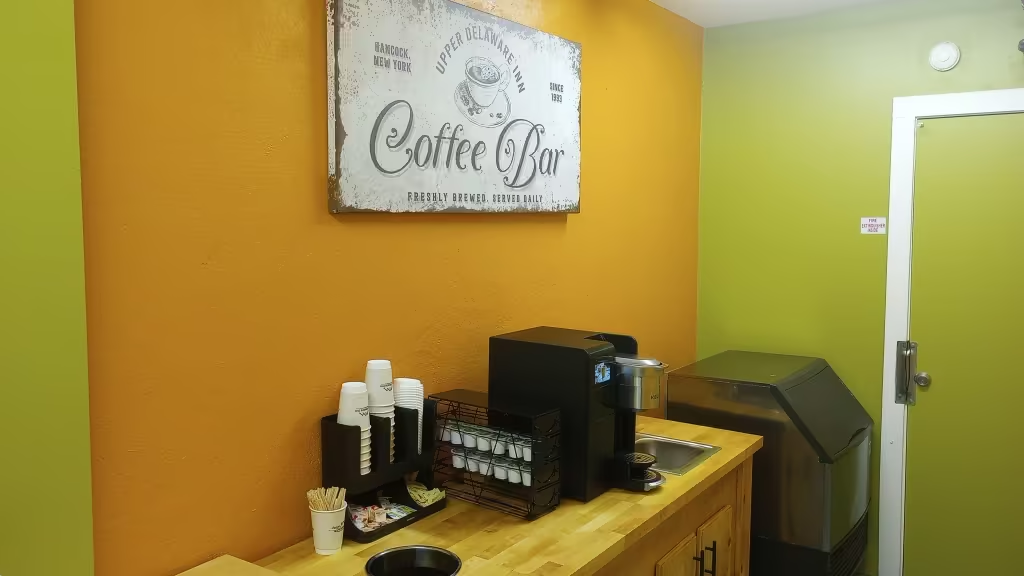
Beyond the Logo: Understanding Comprehensive Visual Identity
The Building Blocks of Brand Identity
Your hospitality brand is much more than just a logo on the front door. A complete visual identity brings together colors, fonts, imagery, signage, uniforms, menus, and even the way physical spaces are styled. Every element works together to show what your property stands for. A good visual system helps guests recognize you immediately—whether they spot your website, check in at the front desk, or see a social media post.
Why Consistency Sparks Memorable Experiences
Think about a guest’s journey from booking to departure. If your website feels upscale but your in-person materials look thrown together, guests may be confused. Consistency builds trust. By keeping your brand visuals cohesive—across digital and physical touchpoints—you plant a feeling of reassurance that lasts throughout each guest’s stay. Graphics, colors, and photos should all “speak the same language,” creating enjoyable moments guests will remember.
Connections Between Visual Identity and Service
A strong visual brand doesn’t just look good; it sets the tone for your service. For example, elegant uniforms suggest attentive, polished hospitality, while bold, fun signage can make guests feel relaxed and welcome. When staff and surroundings both reflect your brand’s spirit, guests know what to expect—and that sense of understanding can make every interaction smoother and more enjoyable.
A thoughtful visual identity creates a seamless guest journey that feels unique to your property, setting the stage for deeper connections and loyalty.
Identifying Your Brand’s Unique Visual Story
Uncovering What Sets Your Property Apart
To stand out in hospitality, you first need to dig deep and find what truly makes your property unique. Start by asking yourself—and your team—what guests appreciate most about your space. Is it the sunlit breakfast nook, the historic architecture, or the welcoming smile at check-in? Collect real guest feedback, review memorable guest stories, and look for themes in online reviews. These authentic points of difference become the foundation for your visual story.
Translating Your Values into Visuals
Next, think about your core hospitality values. If your focus is warmth and comfort, choose soft, inviting colors, gentle lighting, and nurturing imagery. For a boutique with adventurous spirit, opt for bold hues, energetic graphics, or unexpected patterns. Make sure your choices reflect your story, not just the latest design trends. The mood you create visually should echo what guests feel during their stay.
Standing Out from the Crowd
Avoid falling into the trap of overused industry visuals—beige lobbies, generic stock photos, or clichéd script fonts. Instead, lean into what is distinct about your property. Maybe it’s local artwork in your lobby, vintage signage, or a signature welcome drink. Use these details to inspire your palette, patterns, and textures. Every visual element, from keycards to your website header, should help guests sense your personality right away.
Building a visual story this way is about authenticity, not extravagance. When every detail is true to your brand’s spirit, guests notice—and remember—your difference, setting the stage for a one-of-a-kind experience that stays with them long after checkout.
Mapping the Guest Journey Through Visual Touchpoints
Moments That Matter Most
The guest journey is filled with key moments where your property’s visual cues shape first impressions. From the moment someone lands on your website to stepping through your front door, each touchpoint sets the stage for what’s to come. Entrance signage, uniforms, lobby design, and even the way breakfast is displayed—all these bits work together to craft an emotional response. Consistent visuals make guests feel comfortable and cared for, while mismatched or generic designs can break trust before you even say hello.
Making Visual Changes Where They Count
With limited time and budgets, it’s smart to start where guests will notice right away. High-traffic spaces like entranceways, check-in counters, and dining areas have the greatest impact. Refresh your key digital assets, such as your website home page and main booking portal, so guests see your brand’s personality shine through. Choose updates that directly reflect your unique vibe or service ethos. Small tweaks, like cohesive brochure layouts or updated staff name badges, show attention to detail and create a welcoming atmosphere.
Blending Digital and Physical Experiences
Modern guest journeys move seamlessly between screens and real-life spaces. Your digital presence—think social media banners or booking confirmations—should echo the colors, patterns, and photography guests encounter onsite. When your digital and physical expressions feel tightly connected, it creates a sense of authenticity and professionalism. The result? Guests are more likely to trust their experience and remember your property long after they checkout.
Building a unified visual path for your guests isn’t just about looking good. It’s about making every interaction—from booking to farewell—feel intentional and memorable, creating a foundation for stories and loyalty to grow.
Developing a Compelling Brand Narrative
Connecting Visuals to Your Roots
A strong visual identity is rooted in your property’s unique story. Start by looking at your history, location, and the values that guide your hospitality. Maybe your hotel sits in a historic district, or maybe it’s built around a family legacy. Use those real details to inspire your color palette, patterns, and even the style of imagery on your signage and website. A rustic mountain inn might lean into warm, earthy tones and handmade textures. A city boutique hotel could focus on sleek lines and bold highlights. By nodding to your heritage, your brand feels authentic—not just stylish.
Building a Story That Sticks
Your brand’s story should carry through every touchpoint in a way guests can quickly grasp. Simple, consistent messaging helps. Highlight what you stand for: relaxation, discovery, connection—whatever is true for you. Weave this idea into everything from your welcome email to your lobby décor. The goal is to leave guests with a sense of who you are, not just what you offer. When staff greet guests, when guests browse your site, even when they see a photo online, there should be a clear and unified message. This builds trust and makes your business memorable.
Standing Out with Visual Storytelling
Many properties use the same tired visuals: the generic bedspread shot, the smiling receptionist. Instead, lean into what sets you apart. Custom photography featuring local flavor, maps with interesting highlights, or curated in-room artwork all help your space feel different. Get playful with shapes, motifs, or taglines unique to your area or personality. Make every visual choice reinforce that you offer something no one else does. When your visuals and story align, guests remember you—not just as a hotel, but as an experience worth sharing.
By anchoring visuals in your authentic story and carrying it through every guest interaction, you create a brand narrative that feels real and impactful—laying the foundation for a deeper connection with each visitor.
Implementation Strategies: Making Changes That Matter
Rolling Out Your Visual Updates Without Disruption
When it comes to refreshing your hospitality property’s visuals, a full-scale rollout can feel overwhelming. Instead, try a phased approach. Start small—perhaps with updated menus, signage, or digital assets like your website and booking confirmations. This way, you can monitor guest reactions and iron out any hiccups before bigger changes like room refurbishments or exterior updates. Spreading improvements over time keeps daily operations running smoothly and makes the transition almost seamless for guests and staff alike.
Budget-Friendly Tactics That Deliver Impact
You don’t need a massive budget to elevate your visual identity. Focus your resources where they matter most. Begin with high-traffic, high-visibility areas: the front desk, guest lounge, or online review pages. Simple touches, like cohesive staff uniforms, updated branded keycards, or thematic décor elements, can have an outsized effect. Whenever possible, repurpose existing materials—painting furniture with brand colors, refreshing wall art, or updating digital templates. Work with local artists or photographers for unique visuals that tell your property’s story without breaking the bank.
Empowering Staff to Bring New Visuals to Life
Your team plays a critical role in making brand changes meaningful. Involve staff early in the branding conversation, listen to their ideas, and provide training on any new visual standards. Little details, like how staff set tables, greet guests, or dress, all reinforce your refreshed identity. When employees connect to the brand vision, they’ll infuse your visual updates with authentic energy—making each guest experience feel intentional and welcoming.
Smooth implementation not only protects the guest experience during a transition but sets the stage for how your new visual story will be shared with the world.
Reintroducing Your Refreshed Identity to Guests
Engaging Loyal Guests and Welcoming Newcomers
When you’re ready to unveil your fresh visual identity, clear communication is essential—especially for guests who already love what you do. For loyal guests, offer a behind-the-scenes look at the inspiration behind your changes. Share anecdotes or fun facts about the design process through emails or exclusive invites. Let them know their feedback matters, and that the essence of what they love remains, simply with a refreshed feel.
New guests need a warm first impression. Highlight how your brand’s unique personality shines through the new visuals, whether it’s on your booking website, confirmation emails, or welcome materials. Keep the tone upbeat and approachable, showing that every detail is designed with their experience in mind.
Amplifying Your Brand with Digital Platforms
A strong online rollout helps your refreshed identity reach far beyond your doors. Use your website, social feeds, and email newsletters to tell your visual story. Consider a countdown to build excitement, or a series of posts that spotlight your updated spaces, signage, or uniforms. Encourage guests to share photos of their favorite brand elements, creating a sense of community and organic promotion.
Implement new visuals across all digital touchpoints at once—your website, booking portals, and third-party listings—to keep every guest touchpoint consistent. Small details, from updated email signatures to new profile pictures, reinforce your brand at every interaction.
Creating Memorable Launch Experiences
Make unveiling your new look a celebration. Host a special open house or themed event that gives guests a taste of what’s new, infused with the hospitality you’re known for. Limited-time perks—like a signature cocktail inspired by your new colors or a “first to book” offer—invite guest participation and build buzz.
By thoughtfully reintroducing your refreshed identity, you deepen loyalty, intrigue new guests, and spark fresh enthusiasm for your property. As you look ahead, keep a pulse on how these changes resonate with your audience and business goals.
Measuring Success: Beyond Aesthetics to Business Impact
Key Metrics to Track at Every Stage
Redesigning your hotel’s visual identity is more than a fresh coat of paint—it’s a commitment to improving the guest experience and your business performance. Before launching your rebrand, take note of baseline data like guest satisfaction scores, website visits, social media engagement, direct bookings, and average daily rates. During the rollout, track these same metrics closely. Notice where you see a lift in likes, shares, guest comments about décor, or even longer website visits. After the full implementation, compare new data to your baseline. Growth here signals that your new look is resonating.
Gathering Feedback That Matters
Numbers tell part of the story, but guest opinions reveal the real impact. Encourage guests to share their thoughts through surveys, review responses, and conversations in person. Ask targeted questions about your new visual changes—do guests feel the property reflects its personality better? Are common areas more inviting? Capture both enthusiasm and constructive criticism. Regularly review this feedback with your team, and identify changes to keep guest satisfaction high.
Connecting Visual Updates to Business Outcomes
To truly measure success, connect the dots between your visual refresh and operational results. Look for patterns like increased repeat bookings from loyal guests, better reviews mentioning the refreshed look, or higher event enquiries since the rebrand. Pay special attention to booking sources—has your refreshed website or social media look moved the needle? Align these insights with your property’s bigger goals, like boosting occupancy or attracting new guest segments. Careful tracking turns your visual improvements into long-term business wins.
Refreshing your visual identity is not just about appearances—it’s your starting point for delivering standout hospitality experiences that guests remember and talk about.
Case Studies: Small Hospitality Businesses That Got It Right
Real-Life Transformations and Their Impact
Success stories in the hospitality industry show the real value of thoughtful visual rebranding. These small businesses took a strategic approach, going beyond a logo update to create a cohesive brand identity that shines through every guest interaction.
Consider a boutique inn that swapped its basic signage and outdated website for a fresh logo, warm color palette, and inviting photography. Before the change, many guests referred to it as “just another place to stay.” After the update, the inn’s social media following grew, with more guests posting photos and sharing their positive stay. Online reviews mentioned the “welcoming vibe” that started from the booking process all the way to check-out. This business also tracked higher direct bookings and longer stays in the months after launch.
Elsewhere, a small seaside guesthouse paired visual identity updates with subtle service tweaks, like uniforms that matched the new colors and complimentary local treats that reflected their refreshed story. Guests responded warmly, leaving better ratings and recommending the guesthouse more often. Notably, the rebrand was rolled out gradually, which made it easy for returning guests to adjust and embrace the changes.
Lessons Learned from Visual-Service Alignment
These case studies highlight a few key lessons:
- Authenticity is key. Changes grounded in the property’s real story resonate more with guests.
- Consistency builds trust. When visuals on the website, signage, and in-room materials all match, guests feel more at home.
- Engaged staff make a difference. Training team members on the new brand ensures the guest experience is both visually and personally welcoming.
With careful tracking—such as guest surveys, review monitoring, and website analytics—these businesses linked their visual upgrades directly to business gains. Enhanced visual identity, coupled with service alignment, led to more bookings, higher ratings, and increased word-of-mouth referrals.
By building on these practical results, hospitality businesses can shape a brand presence that feels both memorable and meaningful for every guest interaction.
Conclusion: Creating Lasting Value Through Visual Identity
A thoughtful visual rebrand is more than a marketing project—it’s a long-term investment in your small hospitality business. By focusing on authenticity, you keep your story at the heart of every guest interaction. Consistency in visuals across all physical and digital touchpoints helps guests remember you. That kind of recognition encourages loyalty and direct bookings, which support your bottom line.
Visual identity doesn’t stay static. Market trends change, guest expectations evolve, and your services grow. Regularly reviewing and refreshing your look—without losing sight of your original brand story—keeps you relevant and top-of-mind for guests. This ongoing evolution signals that you care about details and are committed to providing memorable experiences.
Finally, your visual identity gives you a sustainable competitive advantage. When it’s distinctive and truly yours, it can’t be easily copied by competitors. This lasting value builds word-of-mouth, improves reviews, and turns guests into repeat visitors who become ambassadors for your business.