

Introduction to Off-the-Beaten-Path Snowshoeing
Overview of the Catskills’ hidden snowshoeing opportunities
The Catskills are a snowshoeing paradise, offering numerous lesser-known trails that provide a tranquil escape from the crowded paths. These hidden trails, scattered throughout the region, invite adventurers to explore uncharted territories draped in winter beauty. With each step, you’ll uncover pristine landscapes and untouched snow that’s perfect for creating lasting memories.
Benefits of exploring lesser-known trails
Choosing to snowshoe off-the-beaten-path offers several unique benefits:
- Solitude: Enjoy the peace and quiet that comes with avoiding popular trails. It’s you, the snow, and the forest.
- Unique Views: Lesser-known trails often reveal hidden viewpoints and serene landscapes that remain unexplored by most visitors.
- Wildlife Sightings: With fewer people around, wildlife are less likely to be disturbed, increasing your chances of spotting animals in their natural habitat.
What makes these trails special during winter months
The winter months transform these secluded trails into wonderlands of frozen beauty:
- Pristine Snow: Untouched snow blankets the landscape, providing a crisp, white canvas that glistens in the sunlight.
- Fewer Crowds: The cold weather deters many casual hikers, allowing for a more intimate and personal experience.
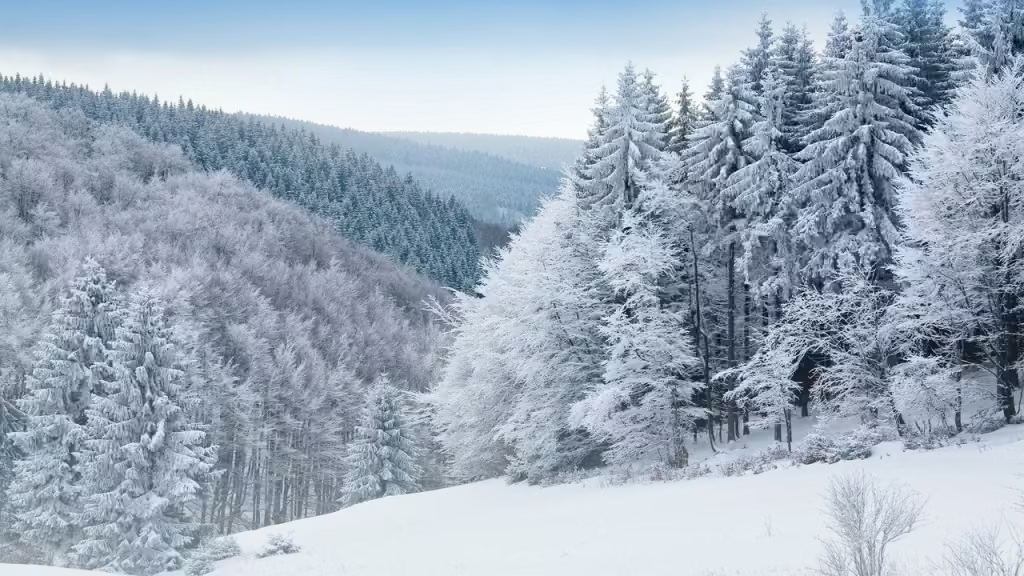
- Enhanced Scenery: Snow-covered trees, frozen rivers, and ice formations create a magical, picturesque setting unique to the winter season.
Embarking on these hidden paths not only offers solitude but also a chance to witness nature’s winter artistry at its finest.
Delaware Wild Forest Gems
Overview of secluded trails within Delaware Wild Forest
Located only fifteen minutes from the Upper Delaware Inn in Hancock, NY, the Delaware Wild Forest offers some of the most secluded and serene snowshoeing trails in the Catskills. The forest stretches across 27,000 acres of diverse terrain, making it an ideal destination for those seeking tranquility and a deep connection with nature. These trails are less frequented, allowing for uninterrupted exploration and unique experiences.
Best entry points and parking areas
To access these hidden gems, it’s essential to know the best entry points and parking areas. The popular entry points include the Big Pond Trailhead and the Barkaboom Mountain Trailhead. Both locations provide ample parking, even during the busy winter months. Another great spot is the Big Pond Parking area, which offers convenient access to the trails without the hassle of long hikes to reach the starting point.
Unique winter features and viewpoints
The winter months transform the Delaware Wild Forest into a snow-covered wonderland. One of the most breathtaking features is the frozen Big Pond, where the snow-covered landscape creates a serene, almost otherworldly atmosphere. Another highlight is the panoramic view from Barkaboom Mountain. After a challenging ascent, snowshoers are rewarded with sweeping vistas of the snow-draped forest and distant peaks.
The peacefulness and solitude found in Delaware Wild Forest make it a special destination for winter enthusiasts. Remember to pack your camera, as this area offers countless opportunities for stunning winter photography.
Little Pond Trail Experience
Detailed Trail Description and Difficulty Level
Nestled within Delaware Wild Forest’s expansive 27,000-acre landscape, the Little Pond Trail offers a tranquil snowshoeing experience. This intimate trail tracks through dense forested areas, circling Little Pond itself. The trail spans approximately 4 miles, making it a moderately strenuous journey with gentle elevation changes. Due to its length and relatively mild slopes, it’s suitable for both novice and experienced snowshoers looking for serene, uninterrupted nature encounters.
Scenic Highlights and Photo Opportunities
Snowshoeing the Little Pond Trail in winter is akin to stepping into a picturesque wonderland. Heavily laden with snow, the tall evergreens create a frame for stunning vistas. Midway, the clearings around Little Pond offer breathtaking views of the frozen lake, surrounded by a peaceful white blanket. Key photo opportunities include:
- The reflective tranquility of the pond, glistens under winter sunlight.
- Snow-covered bridges are crossing quaint streams.
- The panoramic views from elevated points showcase the pristine, snow-draped forest below.
Best Times for Snowshoeing This Intimate Trail
For the best snowshoeing experience on the Little Pond Trail, aim for the window between December and February. Early to mid-winter months typically ensure a robust snowpack, which is essential for a smooth snowshoeing adventure. Starting your hike early in the morning allows you to capture the soft, diffused light perfect for photography while also maximizing your daylight hours on the trail. The brief but frequent wildlife sightings add an extra layer of delight during these serene morning hikes.
Venturing into this secluded winter wonderland will surely be an unforgettable adventure, filled with majestic landscapes and serene moments.
Essential Planning and Safety
Specific Gear Recommendations for These Remote Trails
When tackling the remote trails of the Catskills, especially in winter, having the right gear is crucial. Here’s what you need:
- Snowshoes: Invest in a good pair designed for deep snow and varied terrain.
- Warm Clothing: Layer up with moisture-wicking base layers, insulating mid-layers, and waterproof outer layers.
- Footwear: Sturdy, insulated, waterproof boots are a must. Consider gaiters to keep snow out.
- Hiking Poles: These provide stability on uneven, snow-covered ground.
- Backpack: Choose one with enough capacity to carry essentials like water, snacks, and extra clothing.
- Safety Gear: Include an emergency whistle, a first aid kit, and a multi-tool.
- Navigation Tools: A topographic map and a compass are key. GPS devices and mobile apps are great backups, but don’t rely on them solely.
Navigation Tips for Less-marked Paths
Navigating unmarked or less-marked trails requires practice and keen observation. Here are some tips:
- Study the Map: Before heading out, familiarize yourself with the trail map, noting key landmarks.
- Mark Points: Use a GPS device to mark your trail, helping you retrace your steps if needed.
- Use Natural Markers: Trees, rocks, and streams can be natural guideposts. Keep an eye on them as you move.
- Buddy System: If possible, don’t hike alone. A companion can help spot trail indicators and provide assistance if needed.
Emergency Preparedness for Secluded Areas
Preparation is key for staying safe in secluded areas. Follow these emergency preparedness tips:
- Tell Someone Your Plans: Always inform a friend or family member of your route and expected return time.
- Carry Communication Tools: A fully charged phone, a power bank, and a satellite communicator if possible.
- Know Basic First Aid: Understanding how to treat common injuries can be a lifesaver.
- Shelter and Warmth: A bivy sack or emergency blanket can provide warmth if you need to stay overnight.
- Food and Water: Pack extra high-energy snacks and enough water. A portable water filter can be handy.
By carefully planning and preparing, you can safely enjoy the serene beauty of the Catskills during winter. Indulge in the quiet and solitude, and immerse yourself fully in the pristine wilderness.
Seasonal Considerations and Wildlife
Best months for snowshoeing these particular trails
For an optimal snowshoeing experience, the best months to explore the hidden gems of the Catskills, particularly the Delaware Wild Forest, fall between December and February. These months typically offer the most consistent snow coverage, transforming trails into serene, snow-blanketed paths ideal for snowshoeing. December boasts early winter charm, January sees the heaviest snowfall, and February provides a balance of deep snow and lengthening daylight hours, perfect for immersive snowshoe journeys.
Winter wildlife viewing opportunities
Snowshoeing in the Catskills during winter unveils unique wildlife viewing opportunities. The quiet and less crowded trails of Delaware Wild Forest facilitate sightings of elusive creatures. Keep an eye out for:
- White-tailed deer gracefully navigating through the snow.
- Red foxes and their distinctive paw prints make intricate patterns on the trail.
- Snowshoe hares blend seamlessly with the snowy landscape.
- A variety of birds such as chickadees, woodpeckers, and the occasional snowy owl, adding vibrancy to the winter scene.
Trail conditions and weather considerations
Understanding trail conditions and weather is crucial for a safe and enjoyable snowshoeing adventure. Winter in the Catskills means fluctuating weather, so:
- Regularly check weather forecasts before heading out to avoid unexpected storms or extreme cold.
- Recognize that some trails may have icy patches; carrying crampons can provide additional traction.
- Be prepared for variable snow depths; areas with denser tree coverage might have less snow accumulation compared to open fields and peaks.
- Dress in layers to adjust to changing temperatures and manage moisture.
By embracing these seasonal conditions and wildlife opportunities, you can fully appreciate the winter splendor of the Catskills.
Preserving the Solitude
Snowshoeing in the Catskills offers a unique opportunity to embrace the serenity of winter. Maintaining the tranquility of these hidden trails is crucial for preserving their charm. Here’s how you can contribute to this endeavor.
Leave No Trace Principles for Winter Hiking
Adhering to Leave No Trace principles is essential for minimizing our impact on these secluded trails:
- Plan Ahead and Prepare: Ensure you are prepared for the trail and weather conditions.
- Travel and Camp on Durable Surfaces: Stick to marked trails to avoid damaging the environment.
- Dispose of Waste Properly: Pack out all trash, leftover food, and litter.
- Leave What You Find: Preserve the natural environment by not removing anything.
- Minimize Campfire Impact: Use a stove for cooking and avoid starting fires to maintain the pristine snow landscape.
- Respect Wildlife: Observe animals from a distance and avoid disturbing their habitat.
- Be Considerate of Other Visitors: Keep noise levels low and allow others to enjoy the solitude.
Practicing these mindful techniques ensures the preservation of these serene winter escapes, allowing everyone to enjoy the wonder of snowshoeing in the Catskills.
______



