
Introduction to Snowshoeing in the Catskills
Overview of the Catskills as a Premier Snowshoeing Destination
The Catskills, located in southeastern New York, boasts a picturesque and diverse landscape that transforms into a winter wonderland during the colder months. With its rolling hills, dense forests, and scenic vistas, the region is an ideal destination for snowshoeing enthusiasts. The variety of trails caters to both beginners and experienced adventurers, offering a range of experiences from leisurely strolls to challenging treks.
Basic Understanding of What Snowshoeing Entails
Snowshoeing involves walking over snow-covered terrain with the aid of snowshoes, which distribute weight more evenly and prevent sinking into the snow. This activity is accessible to individuals of all ages and fitness levels, making it a popular winter pastime. It provides an excellent cardiovascular workout while allowing participants to immerse themselves in nature’s tranquility.
Why Proper Preparation is Essential for Safety and Enjoyment
Proper preparation is crucial for a safe and enjoyable snowshoeing experience in the Catskills. Preparation includes selecting the right gear, dressing appropriately, and planning a suitable route. The winter environment can be unpredictable, with rapidly changing weather conditions and the potential for deep snow or icy patches. Ensuring you are well-prepared can help avoid unnecessary hazards and enhance your overall adventure.
Preparing properly also means carrying the right safety equipment, including navigation tools, and being aware of your physical limits. This not only ensures your safety but also ensures you can fully enjoy the beauty and serenity the Catskills offer during winter.
Choosing the Right Snowshoes
Different Types of Snowshoes and Their Specific Uses
Snowshoes come in various styles designed for different activities and terrains. Generally, they are classified into three main types:
- Recreational Snowshoes: These are best for beginners exploring well-compacted trails and gentle terrains. They offer great stability but may not handle deep snow well.
- Backcountry Snowshoes: Designed for experienced users tackling rugged, off-trail terrain. They have aggressive crampons for steep ascents and rugged conditions.
- Running/fitness Snowshoes: Tailored for those aiming to run or hike briskly in snowy conditions. Lightweight with a narrow footprint, they allow for faster movement.
How to Select the Appropriate Size
Selecting the right size of snowshoes is crucial for flotation—how well you stay on top of the snow. Factors to consider include:
- Weight: Your weight, combined with the gear you carry, determines the snowshoe size. Heavier individuals or those carrying backpacks need larger snowshoes for better flotation.
- Snow Conditions: Deep, powdery snow requires larger snowshoes, while packed snow can be managed with smaller ones.
Typically, manufacturers provide sizing charts to guide you based on your total weight and snow conditions.
Understanding Binding Systems and Compatibility with Winter Boots
Snowshoe bindings secure your boots to the snowshoes, and choosing the right system ensures comfort and functionality. There are two main types:
- Strap Bindings: Versatile and adjustable to accommodate various boot types. Suitable for those renting snowshoes or wearing different boots.
- Boa or Ratchet Bindings: Offer a secure and easy-to-use system, providing a snug fit quickly and effectively.
When choosing bindings, ensure compatibility with your winter boots. Your boots should fit securely without excess movement to prevent discomfort and blisters.
With the appropriate snowshoes selected, it’s time to focus on layering up correctly for the Catskills’ unpredictable winter conditions.
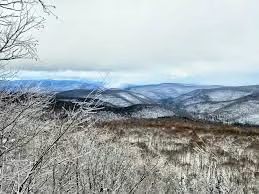
View from Giant’s Ledge in winter.
Essential Clothing and Layering
The Importance of Proper Layering for Temperature Regulation
Layering is crucial when snowshoeing in the Catskills during winter. This technique helps you maintain the right body temperature, stay dry, and protect against the elements. Proper layering involves wearing a combination of materials that manage moisture, retain heat, and shield you from wind and snow. Appropriate clothing can mean the difference between a memorable adventure and a miserable experience.
Recommended Base, Middle, and Outer Layer Materials
Base Layer
The base layer is your first line of defense against moisture. This layer should be made of moisture-wicking fabrics like merino wool or synthetic materials such as polyester. These fabrics draw sweat away from your skin, helping you stay dry and warm. Avoid cotton as it retains moisture, making you cold and uncomfortable.
Middle Layer
The middle layer’s main job is insulation. Fleece, down, or synthetic insulated jackets are excellent choices for this layer. Fleece is lightweight and breathable, while down offers superior warmth-to-weight ratio. Synthetic insulation remains warm even when wet, which can be a lifesaver in unpredictable Catskills weather.
Outer Layer
The outer layer protects you from wind, rain, and snow. A waterproof and windproof jacket and pants made from breathable materials like Gore-Tex are ideal. This layer should be durable, with features like sealed seams and adjustable cuffs to keep the elements at bay.
Specific Clothing Considerations for Catskills Winter Conditions
Winter in the Catskills can be highly variable, with temperatures often dropping significantly and the weather changing rapidly. Here are some specific considerations to keep in mind:
- Head and Neck: Wear an insulating hat and a neck gaiter or balaclava to protect against cold and wind. These areas are prone to losing heat, so covering them is essential.
- Hands: Use waterproof and insulated gloves or mittens. Mittens generally offer better warmth, while gloves offer more dexterity.
- Feet: Wear moisture-wicking socks and waterproof, insulated winter boots. Adding gaiters can provide extra protection against snow ingress.
By carefully selecting and layering your clothing, you will be well-prepared to tackle the beauty and challenges of snowshoeing in the Catskills.
Understanding the necessary clothing and layering systems will ensure a comfortable and safe snowshoeing adventure.
Additional Gear Requirements
Essential Safety Equipment for Winter Hiking
When exploring the snowy trails of the Catskills, safety is paramount. Your gear should include a reliable pair of trekking poles for balance, particularly in steep or icy areas. Compact and lightweight, they provide stability and reduce fatigue.
Packing a headlamp with extra batteries is also crucial, as winter days are short, and it’s easy to lose track of time. A whistle, capable of producing loud, shrill sounds, is vital for signaling in case of emergencies. Additionally, hand warmers can be a lifesaver, ensuring your extremities stay warm in harsh conditions.
Navigation Tools and Their Importance
Navigating winter trails requires diligence and the right tools. A topographic map of your intended route and a compass are non-negotiables. Whether you’re an experienced adventurer or a newbie, these tools help maintain your path and prevent getting lost.
Consider carrying a GPS device as well, but remember that batteries can drain quickly in cold weather, so pack spares. While smartphones with GPS apps are helpful, they should be a secondary option due to potential battery issues in low temperatures.
Emergency Supplies and First Aid Considerations
Equip your pack with a comprehensive first aid kit tailored for winter conditions. This should include adhesive bandages, antiseptic wipes, blister treatment supplies, and medications for common ailments. An emergency blanket or bivy is essential to prevent hypothermia if you unexpectedly need to spend the night outside.
Additionally, carry high-calorie snacks to maintain energy levels and a reliable fire starter kit, including waterproof matches, ensuring you can create warmth in critical situations.
With proper gear in place, you’re well on your way to a safe and enjoyable snowshoeing adventure.
Planning Your Route
Popular Snowshoeing Trails in the Catskills
The Catskills offer a range of snowshoeing trails that cater to all skill levels. Some popular options include:
- Giant Ledge and Panther Mountain: Offers stunning views and moderate difficulty, suitable for intermediate snowshoers.
- Kaaterskill Falls: Easy to moderate trail leading to a breathtaking frozen waterfall.
- Slide Mountain: The highest peak in the Catskills, this trail is challenging and rewarding for advanced participants.
How to Assess Trail Difficulty and Conditions
Consider the difficulty of the trail by evaluating its length, elevation gain, and terrain type. Begin with shorter, less strenuous trails if you are new to snowshoeing. Pay attention to trail reports and local insights for current conditions. Snow depth, recent weather patterns, and ice presence can impact difficulty.
Importance of Checking Weather Forecasts and Daylight Hours
Always check the weather forecast before heading out. Winter conditions can change rapidly, and it’s crucial to be prepared for sudden snowstorms, high winds, or temperature drops. Also, consider daylight hours; days are shorter in winter, so plan to begin and end your trek during daylight. This ensures safer travel and enhances your overall experience.
Being aware of your route, weather, and timing is key to a safe and enjoyable snowshoeing adventure.
Safety Considerations
Understanding Winter Hiking Hazards Specific to the Catskills
Snowshoeing in the Catskills can be exhilarating, but it also comes with its own set of challenges. The mountain range’s unpredictable weather, icy trails, and potential for deep snow require careful planning and vigilance. Exposure to extreme cold temperatures can lead to frostbite or hypothermia if you’re not adequately prepared. High winds and rapidly changing conditions can make navigation difficult, and there’s always the risk of an unexpected snowstorm.
Basic Winter Navigation and Emergency Response Procedures
Navigating the winter landscape in the Catskills requires some key tools and knowledge. Always carry a map, compass, and GPS device. It’s crucial to know how to use these tools, as familiar trails can look drastically different under a blanket of snow. In the event of getting lost, stay in one place and try to signal for help using a whistle or a bright-colored item.
In case of an emergency, having a basic understanding of first aid is essential. Always carry a winter-specific first aid kit that includes items like thermal blankets, hand warmers, and additional high-calorie snacks.
Importance of Hiking with Partners and Leaving Trip Plans
Hiking with a partner or in a group not only enhances the experience but significantly increases safety. Navigating the Catskills in winter can be unpredictable, and having someone with you can be a lifesaver in case of an accident or sudden weather change. Always inform someone about your trip plans, including your route, expected return time, and the names of your hiking companions. This information can be crucial for rescue teams in case you need assistance.
Proper preparation and awareness of potential hazards ensure a safe and enjoyable snowshoeing adventure, allowing you to fully appreciate the beauty of the Catskills. As you get ready to embark on your journey, remember that being prepared is your best defense against the elements.



