
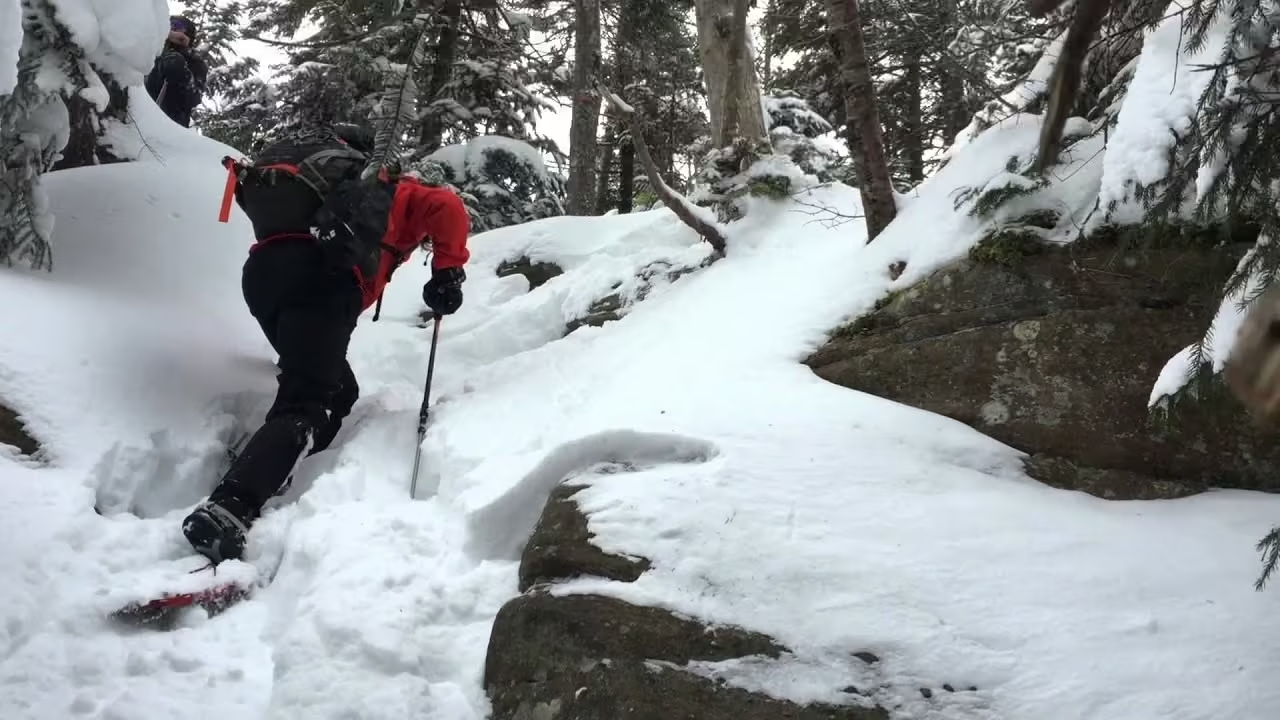
Introduction to Snowshoeing in Catskill Park
Overview of Catskill Park’s Winter Landscape and Recreational Opportunities
Catskill Park transforms into a winter wonderland as the lush forests and sparkling lakes become blanketed in snow. This picturesque landscape offers an array of recreational opportunities perfect for snowshoeing enthusiasts. Iconic snow-covered trails and serene scenery make it a haven for both beginners and seasoned winter adventurers. From peaceful lake loops to challenging mountain climbs, there’s a trail to suit every skill level, providing breathtaking views and a sense of accomplishment.
Best Time of Year for Snowshoeing in the Catskills
The prime snowshoeing season in the Catskills generally spans from late December through early March. During this period, the park sees consistent snowfall, creating ideal trail conditions. January and February are particularly noteworthy, as they offer the most reliable snow coverage and fewer crowds, allowing for a more tranquil experience. Always check weather forecasts and trail conditions before heading out to ensure a safe and enjoyable adventure.
Basic Equipment and Safety Considerations
Snowshoeing requires minimal equipment, making it an accessible winter sport. Here are some essentials to consider:
- Snowshoes: Choose a pair suitable for your weight and the type of terrain you’ll be exploring. Most models include crampons for added grip on icy surfaces.
- Poles: Snowshoeing poles can provide stability and support, especially on steeper inclines.
- Footwear: Insulated, waterproof boots paired with moisture-wicking socks keep your feet warm and dry.
- Apparel: Dress in layers to regulate body temperature. Wear moisture-wicking base layers, insulating mid-layers, and a waterproof, wind-resistant outer shell.
- Safety Gear: Carry a map, compass, or GPS device, first-aid kit, headlamp, and extra food and water. In case of emergency, a whistle and fire-starting tools can be lifesavers.
- Sun Protection: Even in winter, UV rays can be strong. Wear sunglasses and sunscreen to protect against sunburn and snow blindness.
Being prepared with the right gear and knowledge ensures a safe snowshoeing adventure in Catskill Park’s stunning winter landscape.
Next, we’ll dive into some of the top snowshoeing trails, starting with the beginner-friendly North-South Lake Trail. This trail offers scenic views and rich historical significance.
North-South Lake Trail
Scenic Lake Views
The North-South Lake Trail in Catskill Park is a perfect introduction to snowshoeing for beginners. This 2.5-mile loop trail offers stunning views of the North and South Lakes, which are especially picturesque when blanketed in snow. The relatively flat terrain makes it accessible to snowshoers of all skill levels, allowing you to enjoy the serene beauty of the lakes at a relaxed pace.
Historic Sites
As you trek along the North-South Lake Trail, you’ll encounter remnants of the historic Catskill Mountain House. This once-thriving 19th-century resort was a prominent destination for urban tourists seeking refuge in the Catskills. Although the resort has long since closed, its remains add a fascinating historical dimension to your snowshoeing experience.
Parking and Facilities
The North-South Lake Campground provides ample parking for visitors. During the winter months, the parking areas are usually plowed, but it’s good practice to check ahead for current conditions. Facilities, including restrooms, are available at the campground, making it a convenient starting point for your adventure.
With its blend of scenic beauty, historical intrigue, and accessibility, the North-South Lake Trail is an excellent choice for your snowshoeing excursion in Catskill Park.
Overlook Mountain Trail
Scenic Fire Tower Views
For those looking for a moderate snowshoeing challenge with rewarding views, the Overlook Mountain Trail is an excellent choice. This 4.6-mile out-and-back trail reaches a historical fire tower, providing sweeping vistas of the Catskill Park and beyond. The fire tower is a must-visit spot for panoramas, making it a highlight of the trek.
Abandoned Hotel Ruins
Along the way, snowshoers can explore the eerie ruins of the Overlook Mountain House. This abandoned hotel offers unique opportunities for winter photography, as its snow-covered structure stands starkly against the snowy landscape. The ruins add an element of mystery and history to your journey, making it more than just a typical snowshoeing trail.
Trail Conditions and Elevation Gain
The Overlook Mountain Trail features a significant elevation gain of approximately 1,400 feet, providing a good workout but remaining manageable for those with moderate snowshoeing experience. Trail conditions can vary, with snow-packed trails typically found in the heart of winter. It’s always a good idea to check local conditions and be prepared for potentially icy or slippery sections.
Winter transforms the Overlook Mountain Trail into a serene, snow-covered path, providing an ideal setting for a peaceful and scenic adventure.
Giant Ledge Trail
Panoramic Views and Strenuous Climb
The Giant Ledge Trail offers a challenging 3.2-mile round trip with rewarding panoramic views of the Catskill Mountains. The trail features several overlooks and a steep elevation gain of around 1,200 feet, making it a great choice for experienced snowshoers seeking a more strenuous adventure.
Five Unique Overlooks
This trail is known for its five stunning overlooks, each providing a unique view of the surrounding mountains. These vistas offer incredible winter photography opportunities, capturing the snow-blanketed landscape and majestic peaks in all their glory.
Trail Conditions and Elevation
The Giant Ledge Trail’s rugged terrain and significant elevation gain make it a challenging snowshoeing experience. Be prepared for potentially icy sections and variable snow conditions, which can add to the trail’s difficulty. Always check local conditions and trail updates before heading out.
Parking and Trail Access Information
Winter parking for the Giant Ledge Trail is available at the Panther Mountain trailhead along Route 47. Due to snow, the parking lot can sometimes be harder to access, so it’s important to check road conditions and ensure your vehicle is suitable for winter driving. Additionally, trail access is generally well-maintained, though it can be subject to closures or modifications during heavy snowfall or hazardous conditions.
The combination of panoramic views and a challenging climb makes Giant Ledge Trail an excellent choice for snowshoers looking for an invigorating and picturesque winter hike.
Kaaterskill Falls Trail
A Journey to New York’s Highest Cascading Waterfall
Embark on an enchanting winter adventure with the Kaaterskill Falls Trail, a short yet challenging path leading to New York’s highest cascading waterfall. At 260 feet, Kaaterskill Falls is a spectacular sight, especially during winter when the waterfall creates striking ice formations. This 1.6-mile round-trip trail offers fantastic photo opportunities, but be prepared for icy patches and varying snow conditions.
Ice Formation Views and Safety
Winter brings a unique beauty to Kaaterskill Falls. The icy formations enhance the awe-inspiring views, making it a favorite among snowshoers. However, safety is paramount. The trail can be slippery, so using crampons is recommended. Always be cautious around the water’s edge and avoid venturing too close to the icy formations as they can be unstable.
Trail Modifications and Viewing Platforms
The trail has undergone several modifications to improve accessibility and safety. You’ll find well-marked paths and several new viewing platforms providing safer vantage points to admire the falls. These platforms are designed to give you the best views while keeping you safe from the more hazardous sections.
The Kaaterskill Falls Trail offers an invigorating yet secure experience, allowing snowshoers to revel in the winter magic of Catskill Park.
Slide Mountain Trail
Climbing the Highest Peak of the Catskills
Embark on the Slide Mountain Trail, a challenging 6.8-mile round trip to the highest peak of the Catskills. Standing at 4,180 feet, Slide Mountain offers winter adventurers a rigorous yet rewarding snowshoeing experience. The trail promises picturesque landscapes, unique ecological treasures, and a rich historical narrative.
Winter Route Variations and Conditions
During winter, the Slide Mountain Trail presents varied routes due to snow and ice. It’s essential to prepare for deep snowdrifts and icy patches, especially near the summit. Equip yourself with crampons and trekking poles to navigate challenging terrains. Pay attention to trail markers, as heavy snowfall can sometimes obscure the path.
Panoramic Summit Views and Shelter Locations
Reaching Slide Mountain’s summit is an exhilarating accomplishment. From the top, you’re rewarded with panoramic views of the Catskill High Peaks, stretching beyond the horizon. The vista from the peak is particularly stunning after a fresh snowfall, with the forested landscape blanketed in white. Along the trail, find refuge at John Robb Lean-to, a rustic shelter providing a place to rest and regroup.
As you descend, remember to tread carefully and relish the serene beauty of this iconic peak. Next up, we’ll continue exploring the captivating trails and landmarks within Catskill Park.
Hunter Mountain Fire Tower Trail
Moderate to Difficult 5-Mile Round Trip with Fire Tower Reward
The Hunter Mountain Fire Tower Trail is a delightful yet challenging 5-mile round trip that offers adventurous snowshoers a reward in the form of a historic fire tower. This moderate to difficult trail provides breathtaking views and a sense of accomplishment upon reaching the tower.
Winter Trail Marking and Navigation Tips
Navigating this trail in winter can be tricky, but the route remains well-marked by blazes on trees. Pay careful attention to these trail markers as snow can obscure other navigational cues. It is also wise to carry a map, compass, or GPS device. Keep an eye out for trail junctions and ensure you’re on the correct path.
Shelter and Warming Hut Information
For those planning a full day on the Hunter Mountain Trail, there are several warming huts and shelters available along the way. At the summit, you can find a well-maintained warming hut, providing a great place to rest and enjoy your surroundings before beginning the descent. Remember to leave the hut in good condition for the next visitors as part of practicing good trail etiquette.
With stunning vistas and a historic fire tower, the Hunter Mountain Trail offers snowshoers an exhilarating winter adventure in the Catskills. Continue exploring more of what Catskill Park has to offer with its varied snowshoeing trails and picturesque landscapes.
Blackhead Mountain Loop
Challenging 4.4-Mile Loop with Varied Terrain
Blackhead Mountain Loop offers a demanding yet rewarding experience for seasoned snowshoers. This 4.4-mile loop includes diverse terrains, from gentle slopes to steep climbs, making it a perfect choice for adventurous winter enthusiasts.
Winter Route Considerations and Difficulty Levels
Due to its challenging nature, winter conditions significantly impact the trail’s difficulty. Snow and ice can transform the hike into a tough expedition, so traction devices and poles are recommended. Various sections of the trail can become quite slippery, particularly the higher elevations. Be prepared for fluctuating weather and trail conditions by checking local updates before heading out.
Escarpment Views and Trail Connections
One of the highlights of the Blackhead Mountain Loop is its stunning escarpment views. As you traverse the trail, you’ll encounter several vantage points offering breathtaking panoramas of the surrounding valleys and peaks, perfect for winter photography. Additionally, the trail connects with other popular routes, providing opportunities for extended adventures or variations in your trip.
Exploring Blackhead Mountain Loop in winter requires preparation, but those who take on its challenges are rewarded with unforgettable vistas and a true sense of accomplishment.
Safety and Trail Etiquette
Essential Winter Safety Gear and Preparation Tips
Snowshoeing in Catskill Park’s winter wonderland can be a magical experience, but it demands careful preparation. Here are some key pieces of safety gear and preparation tips to ensure a safe and enjoyable adventure:
- Layered Clothing: Wear moisture-wicking base layers, insulating mid-layers, and waterproof outer layers. Don’t forget a hat, gloves, and warm socks to keep extremities protected.
- Snowshoes and Poles: Make sure your snowshoes are suitable for the terrain and have poles to aid balance and reduce strain.
- Hydration and Nutrition: Bring plenty of water to stay hydrated, and pack high-energy snacks like nuts, energy bars, and dried fruit.
- Navigation Tools: Carry a map, compass, and GPS device. Make sure you’re familiar with your route before setting out.
- Safety Equipment: Pack a first aid kit, emergency blanket, headlamp, and whistle. In case of unexpected delays, these items can make a big difference.
- Avalanche Preparedness: In areas prone to avalanches, carry appropriate avalanche safety gear such as a beacon, probe, and shovel.
Trail Etiquette and Leave No Trace Principles
Respecting the trails and natural environment ensures that Catskill Park remains a pristine and enjoyable place for everyone:
- Stay on Marked Trails: This helps prevent erosion and protects wildlife habitats.
- Yield to Others: Uphillers have the right of way. Step aside to let faster or descending snowshoers pass.
- Pack Out Waste: Carry out all trash, including biodegradable items. Leave no trace of your visit.
- Respect Wildlife: Observe animals from a distance. Do not feed or disturb them.
- Leave What You Find: Preserve the past for others. Do not take natural or historical artifacts.
- Minimize Campfire Impact: If camping, use a stove instead of making a fire. If fires are allowed, keep them small and within established rings.
Emergency Contact Information and Resources
Before heading out, it’s crucial to know how to get help in case of an emergency:
- Local Emergency Number: Dial 911 for immediate assistance.
- Rangers and Park Services: Reach out to Catskill Park rangers for non-emergencies or information on trail conditions. Contact information can be found on the Catskill Park website.
- Weather Updates: Check the latest weather conditions on NOAA.
- Trail Conditions: For updates on trail conditions and closures, consult resources like the New York-New Jersey Trail Conference.
Remember: Always inform someone of your plans, including your expected return time, and never snowshoe alone. By following these guidelines, you’ll help ensure your safety and the preservation of Catskill Park’s beauty for future generations.
Planning Your Trip
Seasonal Trail Conditions and Updates
Snowshoeing in Catskill Park offers various winter landscapes, but being aware of seasonal conditions is essential. Regularly check trail updates from the Catskill Center or the New York-New Jersey Trail Conference for recent weather impacts, trail status, and any advisories. Snow conditions can change rapidly, impacting the accessibility and safety of your journey. Always consult these resources before heading out.
Accommodations and Local Amenities
The Catskills region caters to winter adventurers with a range of accommodations. Choose from cozy lodges, charming bed and breakfasts, and vacation rentals. Nearby towns such as Hunter, Tannersville, and Phoenicia offer various dining options, gear shops, and other amenities to enhance your trip. Whether you prefer rustic charm or modern conveniences, you’ll find suitable lodging to rest and rejuvenate after a day on the trails.
Guide Services and Rental Equipment Options
For those new to snowshoeing or unfamiliar with the area’s trails, local guide services can be invaluable. They offer expert knowledge, ensuring a safe and enjoyable experience. Additionally, if you need to rent gear, local shops in the region provide snowshoes, poles, and winter clothing.
______



