
Understanding Cultural Diversity in Hospitality
Definition and Importance of Cultural Sensitivity in the Motel Industry
Cultural sensitivity in the motel industry means understanding, respecting, and accommodating the diverse cultural backgrounds of guests. It’s not just about avoiding offense – it’s about creating a welcoming environment that acknowledges and embraces cultural differences. This approach is essential in a globalized world where travelers come with unique expectations rooted in their cultural norms and practices.
Motels that prioritize cultural sensitivity can set themselves apart in a competitive market. Guests often choose hotels that not only meet their basic needs but also make them feel seen and appreciated. By being culturally sensitive, you build trust and demonstrate that your hotel values and respects all guests, which can lead to positive word-of-mouth and a strong reputation.
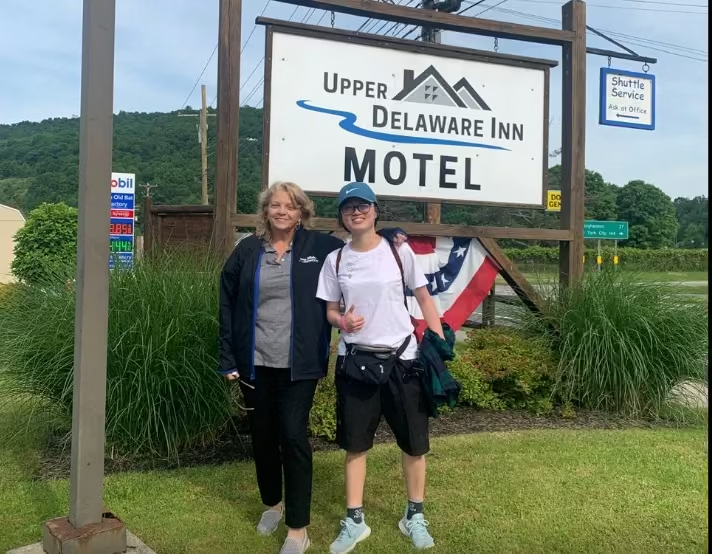
The Upper Delaware Inn was privileged to host guests from 18 countries and 5 continents in 2024.
Impact of Cultural Awareness on Guest Satisfaction and Loyalty
Cultural awareness directly impacts guest satisfaction and loyalty. When guests see their cultural needs anticipated and respected, it enhances their overall experience. This sense of comfort and respect fosters loyalty, as guests are more likely to return and recommend the hotel to others.
Understanding the importance of punctuality for German guests or the tradition of tipping in American culture can show that your staff is well-versed in diverse customs. This thoughtful approach can transform a good stay into a memorable one, fostering lasting relationships with guests from various cultural backgrounds.
Key Challenges in Serving an International Clientele
Serving a diverse clientele also comes with its challenges. One major hurdle is the assumption of cultural homogeneity – the idea that all guests from a particular region share the same customs and preferences. This can lead to misunderstandings and miscommunications. For example, not all Chinese guests prefer hot water over cold, and not all Americans expect large portion sizes.
Language barriers are another challenge, as communication is key to understanding and meeting guests’ needs. Misinterpretations can occur, leading to frustration on both sides. Additionally, cultural biases and stereotypes can unintentionally influence staff behavior, affecting service quality and consistency.
To address these challenges, continuous training in cultural sensitivity and communication is vital. Staff must be educated on the diverse cultural norms and expectations of their international guests. Additionally, hotels should implement clear policies and provide tools such as translation apps to bridge language gaps and facilitate smoother interactions.
As we delve deeper, we will explore cultural customs and etiquette to further understand how to elevate the guest experience across various cultural spectrums.
Cultural Customs and Etiquette
Understanding and respecting cultural customs and etiquette is crucial in the hospitality industry. It allows hotels to cater to a diverse clientele, ensuring a higher level of guest satisfaction and loyalty.
Common Cultural Practices and Traditions
Cultural practices vary significantly across regions. Being aware of these differences can help hotel staff provide a more tailored experience:
- Asia: In many Asian countries, removing shoes before entering a room or certain spaces is a common practice. Providing slippers and shoe racks can make guests feel more at home.
- Europe: European guests might have different meal times compared to other regions. Offering flexible dining hours can cater to their schedules.
- Middle East: In some Middle Eastern cultures, offering a warm greeting and a welcome drink can greatly enhance the guest experience.
Language and Communication
Implementing Multilingual Support Systems
One of the key aspects of fostering a culturally sensitive environment in the hospitality industry is the implementation of multilingual support systems. Hotels often cater to an international clientele, necessitating the availability of staff who can speak multiple languages or the incorporation of advanced technology to bridge communication gaps.
Multilingual support can include:
- Bilingual or multilingual staff members, particularly at key guest interaction points such as the front desk, concierge, and customer service lines.
- Translation devices and apps that offer real-time language translation.
- Multilingual signage and literature, including hotel guides, menus, and emergency instructions, ensure guests can easily navigate the motel and understand its offerings.
These systems help to make guests feel welcome and understood, enhancing their overall experience.
Non-Verbal Communication Awareness
Communication isn’t only about language; non-verbal cues play a significant role. Different cultures have unique non-verbal communication norms, which motel staff should be aware of to avoid misunderstandings.
Key non-verbal cues to consider:
- Eye contact: While maintaining eye contact is considered polite and shows attentiveness in Western cultures, it can be seen as confrontational in some Asian cultures.
- Gestures: Simple gestures like handshakes, nods, and even the thumbs-up sign can have varying interpretations across cultures.
- Personal space: The concept of personal space differs greatly; for example, Latin American cultures might be comfortable with close physical proximity, whereas Scandinavian cultures prefer more distance.
Understanding these nuances ensures smoother interactions and avoids potential misinterpretations.
Effective Use of Translation Services and Tools
To complement multilingual support systems and non-verbal communication awareness, motels should leverage translation services and tools. These resources ensure precise communication and enhance guest experiences.
Effective strategies include:
- Partnering with professional translation services for critical documents such as contracts, terms and conditions, and legal disclaimers.
- Using reliable translation software for day-to-day interactions and digital communications. Services like Google Translate or specialized hospitality translation tools can be invaluable.
- Providing guests with access to language translation apps, enabling them to communicate their needs more effectively.
By implementing a robust framework for communication, hotels can significantly enhance the experience of their diverse guests.
Efficient language and communication practices lay the foundation for exceptional service, ultimately contributing to a hospitable environment that transcends cultural boundaries. Following this, it’s essential to focus on training staff to navigate these multilingual dynamics proficiently.

Staff Training and Development
Creating Comprehensive Cultural Sensitivity Training Programs
To cater effectively to a global clientele, hotels must invest in comprehensive cultural sensitivity training programs. These programs should educate staff about diverse cultural norms, traditions, and expectations. Training activities might include workshops, role-playing exercises, and immersion experiences that help employees grasp the subtleties of different cultures. For instance, understanding the significance of body language in various cultures can prevent miscommunications and enhance the guest experience.
Programs should be interactive and continuous, reflecting the evolving cultural landscape. Offering certifications upon completion can also motivate employees and provide them with a sense of achievement. By ensuring that staff are well-versed in cultural sensitivity, motels can foster a more harmonious and inclusive environment.
Developing Cross-Cultural Communication Skills
Effective cross-cultural communication is crucial in the hospitality industry. Developing these skills involves more than just language proficiency; it requires understanding and respecting cultural differences in communication styles. Motels can achieve this by:
- Offering language courses or multilingual support, enabling staff to converse with guests in their native languages.
- Providing resources like cultural guides and glossaries to assist staff in navigating cultural nuances.
- Encouraging active listening and patience, allowing staff to better understand and meet guests’ needs.
Continuous training in cross-cultural communication helps prevent misunderstandings and ensures that all guests feel valued and respected.
Building an Inclusive Workplace Culture
An inclusive workplace culture is the foundation of effective cultural sensitivity in hospitality. This involves creating an environment where all employees, regardless of cultural background, feel welcomed and respected. Key strategies include:
- Promoting diversity through hiring practices that reflect the varied demographics of the hotel’s clientele.
- Encouraging open dialogue about cultural experiences and challenges, fostering an environment of mutual learning and respect.
- Celebrating cultural diversity through events, festivities, and team-building activities that highlight different traditions and customs.
By prioritizing inclusivity, motels can enhance team cohesion and ultimately improve guest satisfaction.
Investing in these staff training and development initiatives is essential for any motel aiming to excel in the global hospitality market. These strategies not only improve employee morale but also lead to richer guest experiences, setting the stage for continued success.
Practical Implementation Strategies
Adapting Motel Services and Amenities for Diverse Guests
Ensuring that your motel services and amenities cater to diverse guests is paramount for creating a welcoming environment. Adapt your offerings to reflect the preferences and needs of various cultures. For instance, equipping rooms with adapters for different plug types can significantly enhance guest experiences. Additionally, consider providing informational materials about local attractions in multiple languages to assist guests who may not be familiar with the area’s language and customs.
Creating Culturally Inclusive Policies and Procedures
Developing and enforcing culturally inclusive policies and procedures helps set the standard for how your motel operates and interacts with international guests. Start by establishing a clear non-discrimination policy and ensure that it is communicated effectively to all employees. Include cultural sensitivity guidelines in your employee handbook and provide regular updates to ensure everyone is aware of any new practices. Also, make it a standard procedure to recognize and celebrate a range of cultural holidays and events within your hotel, fostering an environment of inclusivity and respect.
Establishing Feedback Systems for Continuous Improvement
Feedback is essential for understanding guest needs and improving services. Create multiple channels for guests to provide feedback, such as surveys, feedback forms, and suggestion boxes. Ensure these tools are available in multiple languages to accommodate your international clientele. Regularly review and analyze the feedback to identify trends and areas for improvement. Use this data to inform staff training, adjust motel policies, and implement new features or services. Encouraging honest feedback shows guests that their opinions are valued and can lead to enhancements that improve guest satisfaction and loyalty.
Focusing on these practical strategies enables motels to continually evolve and better serve their diverse guests, ensuring a positive and memorable experience for everyone.



