

Understanding Active Listening in Hospitality
Definition and Importance of Active Listening in Guest Service
Active listening in hospitality extends beyond merely hearing what a guest is saying. It’s about fully engaging with the guest, understanding their needs, and responding thoughtfully. This practice is vital because it helps create a welcoming environment where guests feel heard and valued, which is essential in delivering exceptional guest service. By practicing active listening, staff can anticipate and address guest concerns promptly, enhancing the overall guest experience.
Difference Between Passive and Active Listening
Active listening is a proactive process, involving engaging behaviors that showcase attentiveness, such as maintaining eye contact, nodding, and providing verbal acknowledgments. Passive listening, on the other hand, is more about simply hearing the words without engaging or processing the underlying message. In hospitality, passive listening may lead to missed cues and a failure to meet guest expectations, while active listening can significantly boost service quality and guest satisfaction.
Impact on Guest Satisfaction and Loyalty
The impact of active listening on guest satisfaction and loyalty cannot be overstated. When guests feel their concerns are being seriously addressed, their satisfaction levels increase. Positive experiences often translate into repeat business and brand loyalty. Active listening fosters trust and builds strong relationships, making guests more likely to return and recommend the establishment to others.
By understanding and mastering active listening, hospitality professionals can greatly enhance the guest experience, leading to higher satisfaction rates and stronger loyalty.
Now that we’ve established the importance and impact of active listening, the next logical step is to delve into its key components.
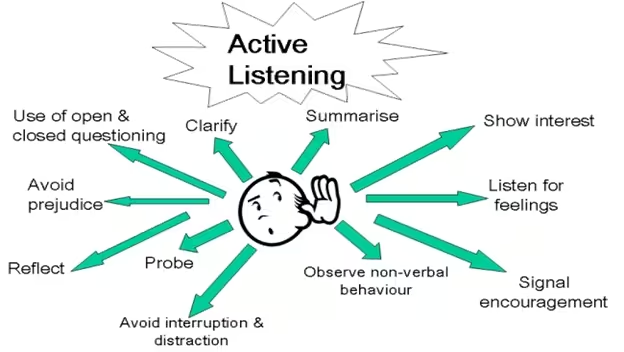
Key Components of Active Listening
Non-verbal Cues and Body Language
Active listening starts not with words, but with body language. Maintaining an open stance, such as uncrossed arms and a relaxed posture, shows guests that they have your full attention. Nod occasionally to indicate understanding and agreement, and make sure your facial expressions reflect the emotions of the guest. For example, smiling when they’re happy or showing concern when they’re upset helps build rapport and communicate empathy.
Verbal Acknowledgment and Confirmation Techniques
Words play a crucial role in active listening. Verbal acknowledgments such as “I see,” “I understand,” or “That must have been challenging” effectively communicate that you are engaged in the conversation. Confirmation techniques, such as repeating back what the guest has said or asking clarifying questions, ensure that you accurately understand their concerns. For instance, saying, “So you’re saying the room temperature was too low?” helps clarify and confirm the guest’s issue.
Maintaining Appropriate Eye Contact and Posture
Eye contact is a powerful component of active listening. Looking a guest in the eyes signifies that you respect them and value what they are saying. However, it’s essential to balance maintaining eye contact and not staring, which can make people uncomfortable. Combine this with good posture—standing or sitting straight without too much slouching conveys readiness to assist while being approachable.
By implementing these key components of active listening, hospitality staff can improve guest interactions, resulting in higher satisfaction and loyalty. Embracing these techniques will contribute to a more seamless and pleasant guest experience.
Empathy in Guest Interactions
Understanding and Acknowledging Guest Emotions
Empathy in hospitality means genuinely understanding what a guest is feeling and acknowledging those emotions. It’s about reading between the lines of what is being said and recognizing the emotions behind the words. For example, if a guest expresses frustration about a delayed check-in, it’s not just the delay they are upset about—it might be the exhaustion from their journey.
- To understand guest emotions effectively:
- Pay attention to voice tone and pitch.
- Observe facial expressions and body language.
- Reflect on similar experiences you’ve had to better relate to their feelings.
By tuning into these emotional cues, you can address not only the guest’s immediate concern but also their underlying emotional state, making them feel heard and valued.
Demonstrating Genuine Concern for Guest Needs
Actively demonstrating concern is crucial. This means going beyond a scripted response and showing you truly care about resolving the issue. Guests should feel that their comfort and satisfaction are your priority.
- Some ways to show concern include:
- Active listening with nods and affirming sounds like “I understand.”
- Expressing sincerity in your voice and body language.
- Offering personalized solutions or compensations if something went wrong.
Responding with Appropriate Emotional Intelligence
Responding with emotional intelligence involves managing your own emotions and being sensitive to the guest’s feelings. It’s about balancing professionalism with empathy, ensuring you’re providing emotional support while also effectively addressing their issues.
- Effective responses should:
- Be calm and composed, regardless of the guest’s emotions.
- Validate the guest’s feelings by using phrases like “I understand why you’re feeling this way.”
- Adapt your response based on the guest’s mood. For instance, if a guest is upset, responding with a calm and soothing tone can help diffuse the situation.
Understanding and effectively responding to guests’ emotions not only enhances their experience but also builds a stronger, more loyal customer relationship. By fostering an environment of empathy, you are setting a foundation for exceptional guest service.
With a strong grasp of empathy, you are ready to delve into the art of paraphrasing and summarization, crucial tools for ensuring clear and accurate communication with guests.
Paraphrasing and Summarization Techniques
Methods for Effectively Restating Guest Concerns
Effectively restating guest concerns is vitally important in ensuring that guests feel heard and understood. Paraphrasing involves restating the guest’s words in your own words, making sure to capture the essence of their concerns without distorting the meaning. To paraphrase effectively:
- Listen Carefully: Pay close attention to what the guest is saying without planning your response too soon.
- Use Your Own Words: Mirror the guest’s concerns using different words and phrases that show you’ve comprehensively understood their point.
- Check for Confirmation: After paraphrasing, ask the guest to confirm if your interpretation matches their issue, e.g., “So what I’m hearing is that you wish the room were quieter. Is that correct?” This confirms understanding and demonstrates attention to detail.
Techniques for Confirming Understanding
Confirming understanding is crucial in showing guests that their concerns are being taken seriously. Here are some ways to achieve this:
- Clarify Doubts: If something is unclear, ask follow-up questions to get to the root of the problem.
- Summarize Key Points: Recap the main points of the guest’s concerns to ensure that all bases are covered, e.g., “To summarize, you mentioned you’ve been inconvenienced by the noise and that you’d prefer a quieter room.”
- Seek Agreement: Confirm with the guest that the understanding is mutual before moving forward with solutions.
Using Summarization to Demonstrate Attention to Detail
Summarization is an essential skill that not only confirms understanding but also highlights your attention to detail. Summarizing involves condensing the guest’s entire concern into a few key points. This shows the guest that you’ve listened to everything they’ve said. Effective summarization techniques include:
- Highlighting Major Concerns: Focus on the primary issues the guest has raised.
- Being Concise: Keep summaries short and to the point, ensuring clarity.
- Seeking Confirmation: End your summarization by asking for the guest’s confirmation that you have captured all their concerns accurately.
Mastering these techniques ensures a seamless and satisfying guest experience, laying the foundation for trust and loyalty.
We will now explore how implementing active listening techniques can be integrated into daily operations to further enhance guest interactions.
Implementing Active Listening in Daily Operations
Training Staff in Active Listening Techniques
To effectively integrate active listening into daily operations, it’s critical to begin with comprehensive staff training. This training should cover the foundational principles of active listening, including non-verbal cues, verbal acknowledgment, and techniques for empathy and paraphrasing. Training sessions can include role-playing exercises, where staff can practice and refine these skills in simulated guest interactions.
- Role-playing exercises: Practice scenarios help staff become comfortable with active listening techniques in a controlled environment.
- Workshops and seminars: Interactive meetings reinforce the importance of active listening and provide tools for staff to use daily.
- Ongoing training: Integrate regular refresher courses to keep skills sharp and current.
Creating Standard Operating Procedures for Guest Interactions
Establishing SOPs ensures that active listening becomes a consistent part of guest interactions. These procedures should outline step-by-step strategies for effectively dealing with guest inquiries and concerns.
- Greeting and initial contact: Outline how to greet guests warmly, including maintaining eye contact and using open body language.
- Listening and responding: Instruct on the importance of listening without interruption, confirming understanding, and responding empathetically.
- Follow-up: Include steps for following up on guest issues or requests to ensure satisfactory resolution.
Measuring and Monitoring Active Listening Effectiveness
It’s important to measure and monitor how well staff are applying active listening techniques. This can be done through various methods:
- Guest feedback: Collect feedback through surveys and reviews to identify how well guests feel heard and understood.
- Mystery shoppers: Regular use of mystery guests to evaluate staff interactions anonymously.
- Performance reviews: Incorporate active listening metrics into regular performance evaluations to track improvement and areas needing development.
By prioritizing these practices, hospitality operations can greatly enhance the guest experience. Monitoring and continuous training ensure that active listening remains a core element of exceptional service.
This sets the stage for even richer guest interactions and a commitment to ongoing improvement.
Overcoming Common Listening Barriers
Active listening is not without its challenges, but identifying and addressing common obstacles can significantly enhance guest interactions in the hospitality industry.
Identifying Common Obstacles to Effective Listening
Effective listening requires focus and presence, yet several barriers can impede this process:
- Distractions and Environmental Noise: Busy environments can detract attention from the guest. Reducing background noise and creating quieter spaces can help.
- Prejudgments and Assumptions: Avoid making preconceptions about what a guest might say. Approach each interaction with an open and unbiased mind.
- Personal Emotions: Managers and staff must be aware of their emotions. Negative feelings can interfere with the ability to listen and respond appropriately.
- Interruptions: Refrain from interrupting the guest. Let them fully express their concerns before addressing them.
Strategies for Maintaining Focus During Busy Periods
Maintaining focus during peak times requires specific strategies:
- Prioritize Attention: Encourage staff to mentally prioritize the guest despite the busyness. This fosters a sense of importance for the guest.
- Short Bursts of Full Attention: Even in brief interactions, demonstrate complete presence. This can make guests feel valued.
- Take Breaks: Ensure staff take regular short breaks to refresh and remain attentive throughout their shifts.
Handling Language and Cultural Differences
Hospitality environments are highly diverse; therefore, handling linguistic and cultural differences is crucial:
- Use Clear, Simple Language: When language barriers exist, use clear and simple language to facilitate understanding.
- Cultural Sensitivity Training: Regular training on cultural nuances helps staff better understand and respect guests from different backgrounds.
- Visual Aids and Translation Tools: Utilize visual cues and translation tools to bridge communication gaps when necessary.
By overcoming these barriers and implementing effective strategies, the hospitality team can ensure a rewarding guest experience that fosters loyalty and satisfaction.
Measuring Success and Continuous Improvement
Key Performance Indicators for Active Listening Success
Measuring the success of active listening starts with identifying key performance indicators (KPIs). These KPIs might include guest feedback scores, repeat guest rates, and staff performance evaluations. Tracking these metrics can help determine whether active listening practices are making a positive impact.
- Guest Feedback Scores: Regularly survey guests to gauge their satisfaction with staff interactions. High scores typically indicate successful active listening.
- Repeat Guest Rates: A higher rate of repeat guests suggests that active listening has fostered loyalty.
- Staff Performance Evaluations: Assess staff on their ability to effectively listen and respond to guest needs.
Gathering and Analyzing Guest Feedback
Collecting and analyzing guest feedback is essential for improving listening skills. Use a variety of methods to gather this feedback:
- Surveys and Comment Cards: These tools provide direct insight into guest perceptions of service quality.
- Online Reviews: Monitor reviews on platforms like TripAdvisor and Yelp for comments about staff interactions.
- In-Person Conversations: Encourage guests to speak freely about their experiences during checkout or other face-to-face interactions.
Once gathered, analyze the feedback to identify patterns or recurring issues that need to be addressed.
Refining Active Listening Practices Based on Results
The feedback and data collected should inform ongoing improvements in active listening practices. Regular training sessions and workshops can help staff refine their skills. Additionally, update standard operating procedures (SOPs) to reflect best practices identified through feedback analysis. This continual refinement ensures that the team remains attentive and responsive to guest needs.
By focusing on these aspects, teams can enhance their active listening, leading to improved guest satisfaction and loyalty.