

Understanding Spring Bird Migration in the Catskills
Overview of why the Catskills region is a prime location for bird migration
The Catskills region is a hidden gem for bird watchers, particularly during the spring migration. Nestled within the Appalachian Mountains, this area provides a variety of elevations and habitats that make it appealing to numerous bird species. The diverse landscape, including rich forests, open meadows, and pristine water bodies, offers the food, shelter, and nesting sites that birds seek during their long journeys. Additionally, the Catskills lie along the Atlantic Flyway, one of the major north-south migration routes in North America.
Typical migration patterns and timing during the spring season
Spring migration in the Catskills generally begins in early April and can extend into late May or early June. During this period, bird enthusiasts can witness an impressive array of species returning to their breeding grounds.
- Early April: The first migrants, including Red-winged Blackbirds and Eastern Phoebes, start to arrive.
- Mid-April to Early May: Warblers, Thrushes, and Sparrows make their appearance.
- Mid-May to Early June: Peak migration for many songbirds, as well as Broad-winged Hawks and other raptors.
How weather conditions affect migration patterns in the area
Weather can significantly influence migration patterns. Birds rely on favorable weather conditions to ensure a safe and energy-efficient journey. Mild temperatures, southerly winds, and clear skies create optimal conditions for migration. Conversely, cold fronts, storms, or heavy rainfall can delay migration by forcing birds to take shelter and conserve energy.
Understanding how weather impacts migration helps bird watchers better plan their outings. For instance, after a storm, the skies often clear up, and birds that were grounded are eager to resume their travels. This can lead to high bird activity and fantastic viewing opportunities.
As you prepare for your bird watching adventures, it’s essential to understand these migration patterns and weather influences to maximize your chances of a successful outing. The right knowledge and preparation will ensure that you make the most of your time in the beautiful Catskills region.
Essential Gear and Preparation
Basic Bird Watching Equipment for Beginners
Getting started with bird watching in the Catskills requires some essential gear. First, invest in a good pair of binoculars. They don’t need to be top-of-the-line, but something with a magnification of 8x or 10x will give you a clear view of the birds. Next, a field guide is indispensable. Having a guide tailored to the birds of the Northeast can help you identify the species you see. Additionally, consider using apps like Merlin Bird ID or eBird, which provide information on bird identification and migration patterns.
What to Wear and Pack for Comfort in Varying Spring Weather
The weather in the Catskills during spring can be unpredictable, ranging from sunny and warm to cold and rainy. Layer your clothing to be prepared for these changes. Wear a moisture-wicking base layer, an insulating layer such as a fleece, and a waterproof outer layer. Don’t forget a hat and gloves for those chilly mornings. Comfortable waterproof shoes or hiking boots are also a must.
Pack light but consider bringing essentials:
- Water and snacks
- Sunscreen and insect repellent
- A small first aid kit
- A notebook or journal for jotting down your observations
Safety Considerations and Etiquette for Bird Watching in the Catskills
Safety and consideration for both the birds and fellow bird watchers are crucial. Always stay on marked trails to protect fragile ecosystems and avoid disturbing nesting areas. Maintain a respectful distance from the birds; sudden movements or loud noises can scare them off.
Etiquette is important in shared spaces, so keep your volume low and be courteous to others who are enjoying the natural beauty. When watching birds in a group, communicate clearly and share the sightings to make it an enjoyable experience for everyone.
With this preparation, you’ll be ready to fully enjoy your bird watching adventure in the Catskills. Equip yourself wisely, respect nature and other watchers, and take the time to savor each sighting.
Prime Viewing Locations in the Catskills
Hotel Mountain Brook: A Unique Vantage Point
Hotel Mountain Brook offers an exceptional bird-watching experience. Perched high on the mountains, this area provides unobstructed views of the surrounding landscape. From here, you can spot a diverse array of migrating birds soaring through the sky or resting in the nearby trees. The hotel itself is surrounded by ample green spaces and dedicated bird-watching areas, making it convenient to observe and enjoy the natural spectacle.
Other Notable Observation Spots
Apart from Hotel Mountain Brook, several other locations in the Catskills are renowned for bird watching. North-South Lake Campground, near Haines Falls, offers various trails where you can encounter migrating birds. Slide Mountain, the highest peak in the Catskills, provides a lofty vantage point for bird watching. Additionally, the Ashokan Reservoir area is known for its waterfowl and other bird species.
Accessibility and Parking Information
When planning your bird-watching adventure, accessibility is a key consideration. Hotel Mountain Brook has convenient parking, though spots can fill up quickly during peak migration times. North-South Lake Campground offers ample parking and accessible trails for all fitness levels. At Slide Mountain, parking is available at the trailhead, but be prepared for a challenging hike. The Ashokan Reservoir area has multiple parking lots, with some locations suitable for less intense walks.
Up next, we’ll dive into the key species you can expect to see during your bird-watching adventures in the Catskills.
Key Species to Watch For
Identifying Broad-winged Hawks and Their Migration Patterns
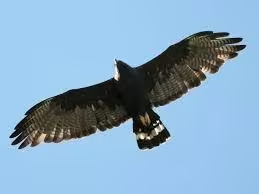
One of the highlights of spring migration in the Catskills is spotting the Broad-winged Hawk (Buteo platypterus). These birds are known for their broad, rounded wings and distinctive tail bands. During spring migration, Broad-winged Hawks travel from their wintering grounds in South America to their breeding territories in North America, passing through the Catskills in large numbers. Peak migration for these raptors typically occurs in late April to mid-May. Look for their soaring “kettles” — large groups spiraling upward on thermal currents before streaming off in the same direction.
Spotting Turkey Vultures and Understanding Their Behavior
Another fascinating species to observe is the Turkey Vulture (Cathartes aura). Often mistaken for eagles due to their large size and soaring flight, these vultures are easily recognized by their distinctive dihedral wing shape and the characteristic way they teeter side to side while gliding. Turkey Vultures are scavengers; they play a vital role in the ecosystem by consuming carrion. Their keen sense of smell helps them locate food from miles away. Watch for these birds soaring on thermals during the warm daylight hours, usually between mid-morning and late afternoon.
Other Notable Spring Migrants in the Region
Apart from Broad-winged Hawks and Turkey Vultures, the Catskills host a variety of other spring migrants:
- Scarlet Tanager (Piranga olivacea): Known for the male’s vibrant red plumage with contrasting black wings, these striking birds are often found high in deciduous forests.
- Black-throated Blue Warbler (Setophaga caerulescens): These small songbirds are recognizable by their rich blue upper parts and dark face mask. They prefer the understory of mature forests.
- Baltimore Oriole (Icterus galbula): With their bright orange and black plumage, Baltimore Orioles are a beautiful sight, often seen in open woodlands and along forest edges.
As you embark on your bird watching adventure, keep an eye out for these and other fascinating species that make the Catskills a birding hotspot. The diversity of birds and their unique behaviors provide endless opportunities for observation and enjoyment.
Best Times and Conditions for Viewing
Peak Migration Periods During Spring Months
Spring in the Catskills is a magical time for bird watchers. Generally, the peak migration periods for most species occur between early April and early June. During this time, you’ll witness a spectacular array of birds passing through the region. For Broad-winged Hawks, their peak migration typically happens from late April to mid-May. Turkey Vultures tend to be more visible from mid-morning to late afternoon during their migration period.
Optimal Weather Conditions for Bird Watching
Weather plays a crucial role in bird migration and observation. Ideal bird-watching weather in the Catskills includes mild temperatures, clear skies, and minimal wind. Overcast days can be surprisingly productive as well since birds often fly lower and are easier to spot. Avoid harsh weather conditions like heavy rain, strong winds, or extreme temperatures, as these can affect both bird activity and your comfort.
Time of Day Considerations for Different Species
The time of day can significantly impact your bird-watching experience. Early mornings, just after sunrise, are often the best time to observe many songbirds like the Scarlet Tanager and Black-throated Blue Warbler. These birds are most active during the early hours when they forage for food. Conversely, raptors such as the Broad-winged Hawks are more actively seen later in the morning as the day warms up, taking advantage of thermal currents. Turkey Vultures typically soar from mid-morning to late afternoon.
With these insights in mind, make sure to plan your bird-watching excursions in sync with the natural rhythms of the birds you’ll be observing.
Getting Started: Tips for First-Time Bird Watchers
How to Properly Use Bird Watching Equipment
Starting your bird watching journey can be exciting and rewarding, especially in the Catskills. Proper use of bird watching equipment is essential for a successful experience. Here are some tips:
- Binoculars:
- First, adjust the eyepieces to match the distance between your eyes. Ensure both sides are focused by using the central focus wheel.
- Stabilize your hands by resting them against your face, reducing shake and providing a clearer view of birds.
- Practice focusing quickly on different objects to improve your skill in the field.
- Field Guides and Apps:
- Field guides help identify birds through illustrations or photos, arranging species typically by color and size.
- Use birding apps such as Merlin Bird ID or eBird, which provide identification assistance and track sightings.
- Familiarize yourself with bird songs through apps that offer audio clips.
Basic Bird Identification Techniques for Beginners
Identifying birds involves using both visual and auditory cues. Here’s how to start:
- Size and Shape: Note the bird’s size relative to familiar species, and observe the shape including beak type and tail length.
- Color and Pattern: Observe overall coloring, distinctive markings, and any patterns on wings or head.
- Behavior and Habitat: Watching how a bird moves, feeds, and interacts can provide clues. Specific birds are found in distinct habitats, such as woodlands or wetlands.
- Songs and Calls: Many birds have unique calls. Learning these can help identify species when they are hidden from view.
Joining Local Bird Watching Groups and Resources
Engaging with the bird watching community can enhance your experience and knowledge. Here’s how to connect:
- Local Birding Clubs: Join clubs or groups in the Catskills which often organize events and meetups. These can be sources of valuable insights and guidance.
- Online Forums and Social Media: Participate in birding forums and social media groups. Platforms like Facebook often have bird watching communities where members share sightings and tips.
- Workshops and Walks: Attend workshops or guided bird watching walks to learn from experienced birders. Such events usually provide a wealth of practical knowledge.
Embarking on your bird watching adventures in the Catskills with the right preparation and community support can be an incredibly fulfilling experience. Happy birding!



