

Understanding the Unique Challenges of Small Town Economics
Common Economic Obstacles
Small towns often face unique economic obstacles that can stymie growth and prosperity. Population decline is a significant challenge, with younger residents frequently moving to urban areas in search of better opportunities. This demographic shift can lead to a shrinking workforce and lower consumer spending power, making it difficult for local businesses to thrive.
Another common issue is limited resources. Smaller towns generally have fewer financial resources, which can restrict investment in necessary infrastructure and community projects. Additionally, limited access to capital can discourage potential entrepreneurs from starting new ventures.
Tailored Economic Development Strategies
To overcome these challenges, it’s crucial to develop economic development strategies tailored specifically for smaller communities. Unlike larger cities, small towns often require customized solutions that address their unique socioeconomic dynamics. Strategies should focus on leveraging local strengths, such as agricultural sectors or tourism, and should promote collaboration among community members, local businesses, and government entities.
Global Economic Shifts
Small town prosperity is not immune to global economic shifts. Changes in global markets can influence local economies, especially in towns that rely heavily on specific industries, like manufacturing or farming. For instance, international trade policies can impact agricultural exports, while shifts in global supply chains can disrupt local manufacturing.
By understanding these unique challenges and proactively developing tailored strategies, small towns can navigate their economic landscape more effectively and work towards sustainable growth and prosperity.
Building a Strong Local Business Foundation
Creating Incentives and Support Systems for Local Entrepreneurs
Small towns must foster a supportive environment for local entrepreneurs. Incentives and assistance programs can be critical for encouraging startups. Potential steps include:
- Providing Tax Breaks and Grants: Offering reduced taxes or grants can help new businesses get off the ground.
- Streamlining Permit Processes: Simplifying the bureaucratic steps required to start and operate a business makes it easier for entrepreneurs to focus on growth.
- Offering Affordable Real Estate: Making commercial spaces available at lower rates can attract new ventures to town.
Developing Mentorship Programs and Business Incubation Spaces
Supporting small businesses doesn’t end at incentives. Offering guidance and a conducive environment for growth is equally crucial:
- Mentorship Programs: Experienced local business leaders can mentor new entrepreneurs, offering insights and advice based on real-world experience.
- Business Incubation Spaces: These spaces provide budding businesses with office facilities, networking opportunities, and essential services like accounting and marketing at reduced costs.
Establishing Partnerships between Existing Businesses and New Ventures
Collaboration between existing businesses and newcomers can drive substantial economic growth:
- Cross-promotions and Joint Ventures: Established businesses can partner with new ventures to create mutually beneficial marketing efforts or shared product lines.
- Shared Resources and Knowledge: Encouraging businesses to share resources and expertise can improve efficiency and foster an inclusive business environment.
These strategies not only lay the groundwork for new businesses but also strengthen the existing economic framework, ensuring sustained growth and community prosperity. As towns continue to evolve, building on their unique strengths and adapting to new challenges remains key.
Leveraging Municipal Resources and Infrastructure
Maximizing Existing Public Assets and Facilities for Economic Growth
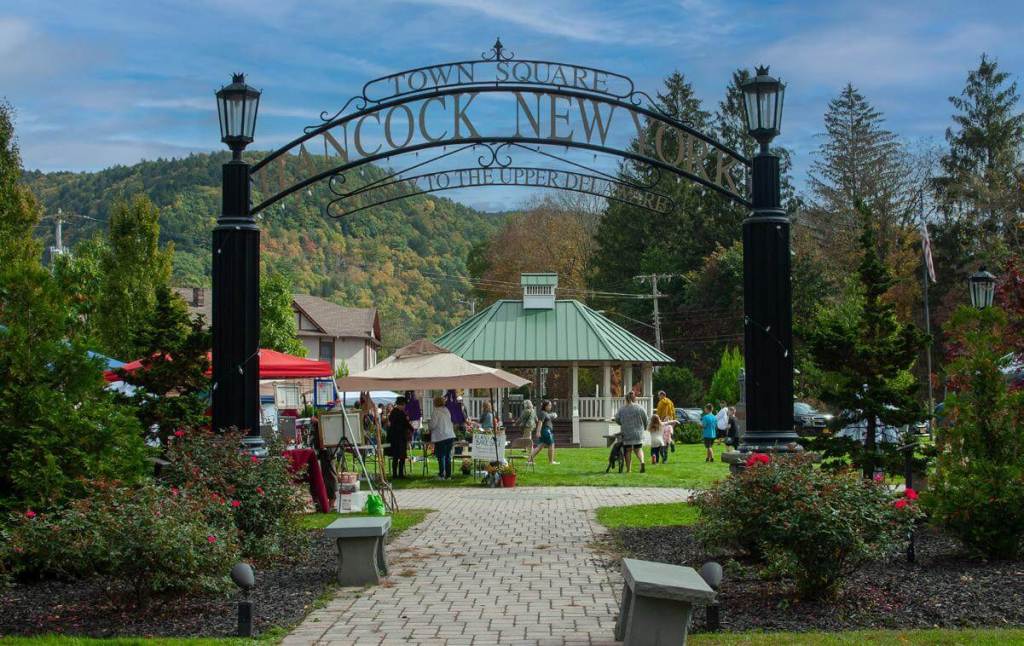
Unlocking the potential of existing public assets is crucial for small-town economic development. By optimizing the usage of community centers, public parks, and other municipal facilities, towns can create vibrant spaces that foster economic opportunities. For instance, underutilized buildings can be repurposed as coworking spaces, offering affordable venues for local entrepreneurs and small businesses. Meanwhile, parks and recreational areas can host weekly markets, arts and crafts fairs, and festivals that draw both residents and visitors, stimulating local commerce.
Strategic Infrastructure Improvements to Attract Business Investment
Investing in infrastructure is essential for attracting new businesses. Enhancements such as upgrading broadband internet, improving transportation networks, and maintaining reliable utilities are key to creating a business-friendly environment. High-speed internet is especially important in today’s digital economy, enabling local businesses to compete on a global scale. Similarly, efficient public transportation systems make towns more accessible, encouraging both employee commuting and customer accessibility. Thoughtful infrastructure upgrades can turn small towns into appealing destinations for business investment.
Implementing Smart Zoning Policies to Encourage Commercial Development
Zoning policies can significantly impact a town’s economic landscape. By implementing smart zoning practices, municipalities can foster commercial development in designated areas while preserving the character of residential neighborhoods. For example, mixed-use zoning can create dynamic districts where businesses, residential areas, and recreational spaces coexist, promoting a lively and sustainable community. Additionally, simplifying the zoning approval process and offering incentives for developing vacant or underused properties can encourage new ventures and expansions of existing businesses.
Focusing on infrastructure and zoning sets the foundation for sustainable growth and development. With the right improvements and policies in place, small towns can attract investment, grow local businesses, and enhance overall community well-being.
Investing in Community Quality of Life
Developing parks, recreation facilities, and cultural amenities
Enhancing community quality of life begins with developing and maintaining parks, recreation facilities, and cultural amenities. Thriving public spaces contribute to the physical and mental well-being of residents. They also serve as attractive destinations for visitors, which can boost local tourism and stimulate economic activity. Small towns can achieve this by investing in green spaces, organizing community events, and supporting local arts initiatives. These efforts create vibrant environments where people want to live, work, and play.
Improving downtown aesthetics and walkability
A town’s downtown area often serves as its heart and soul. Improving downtown aesthetics and ensuring walkability can revitalize the area. This includes restoring historic buildings, maintaining clean streets, and adding decorative elements like murals and landscaping. Enhancing walkability involves creating safe pedestrian pathways, reducing traffic congestion, and installing proper lighting. These improvements not only make the downtown more appealing but also encourage more foot traffic, which benefits local businesses and fosters a sense of community.
Enhancing public spaces to attract residents and visitors
Public spaces play a crucial role in community life. By enhancing these areas, small towns can attract both residents and visitors. This involves creating welcoming plazas, upgrading playgrounds, and installing benches and bike racks. Additionally, towns can introduce features like free Wi-Fi zones and organized activity spaces. These enhancements make public spaces more functional and enjoyable, drawing people in to connect and participate in community life.
By focusing on these key areas, small towns can significantly elevate their appeal and develop a resilient local economy. Supporting these communal investments also lays the groundwork for educational and workforce initiatives that further contribute to sustained growth.
Creating a Skilled Workforce Pipeline
Partnering with Educational Institutions for Targeted Workforce Development
Small towns thrive when their residents are prepared for local job opportunities. Collaboration with schools, colleges, and vocational training centers ensures that the workforce meets the needs of local businesses. Tailored programs can be created to equip individuals with specific skills required by emerging industries. Working closely with educational institutions, small towns can design curricula that align with local economic activities, creating a direct pipeline from education to employment. This targeted approach helps retain local talent and reduces the need for businesses to look outside the community for skilled workers.
Establishing Vocational Training Programs Aligned with Local Business Needs
An effective way to bolster the workforce is through vocational training programs customized to the needs of local businesses. By engaging with entrepreneurs and business leaders, towns can identify skill gaps and develop training initiatives that address these needs. Programs could range from technical skills in manufacturing to services in healthcare and information technology. Practical, hands-on training not only prepares residents for immediate job placements but also creates a flexible workforce capable of adapting to the dynamic demands of the local economy.
Retaining Young Talent through Career Opportunity Creation
Retaining young talent is crucial for the future economic prosperity of small towns. Creating enticing career opportunities locally encourages graduates and young professionals to stay, rather than seek employment elsewhere. This can be achieved by promoting local internships, apprenticeships, and entry-level job openings. Additionally, showcasing success stories where local talent has risen through ranks can inspire confidence in potential candidates. Entrepreneurial support and startups also play a significant role, offering innovative avenues for young citizens to start and grow their careers within their community.
Marketing and Promoting Small Town Assets
Developing a Unique Brand Identity for the Community
Creating a compelling brand identity is crucial for small towns looking to attract new businesses and visitors. It involves highlighting the unique characteristics and strengths of the community. This can include local cultural heritage, historical landmarks, natural beauty, or festivals. By developing a clear and consistent brand message, small towns can differentiate themselves and create a sense of pride among residents. The brand should be utilized across all marketing materials, including websites, social media, and promotional campaigns, to ensure a cohesive and professional image.
Leveraging Digital Marketing to Attract Businesses and Visitors
Digital marketing is a powerful tool for small towns to reach a broader audience. This can include utilizing social media platforms, email marketing, and search engine optimization (SEO) to promote the town’s assets. Creating engaging content that showcases the town’s unique brand identity, such as virtual tours, video testimonials from local business owners, and highlights of community events, can attract both businesses and tourists. Additionally, small towns can collaborate with local influencers or bloggers to amplify their reach and gain credibility.
Showcasing Success Stories and Community Achievements
Highlighting success stories and community achievements is an effective way to build trust and showcase the vibrancy of the town. This can be achieved by featuring local businesses that have thrived, sharing testimonials from new residents, and celebrating community events or milestones. These stories can be shared on the town’s website, through press releases, or via social media to create a positive narrative around the community. By consistently promoting these successes, small towns can foster a sense of optimism and encourage further investment and engagement.
By focusing on building a strong brand identity, maximizing digital marketing, and celebrating local achievements, small towns can create a compelling case for why businesses and visitors should invest in their community.
Measuring Success and Sustaining Growth
Establishing Metrics to Track Economic Development Progress
To ensure the economic strategies are effective, it’s crucial to establish clear metrics. These metrics might include tracking job creation rates, new business registrations, downtown foot traffic, and property tax revenues. Collecting data monthly or quarterly helps monitor trends and identify areas needing improvement. This data provides a solid foundation to assess the impact of initiatives and make informed adjustments.
Maintaining Long-term Community Engagement and Support
Sustaining growth requires ongoing community involvement. Regular town hall meetings, surveys, and public forums give residents a voice in the development process. This fosters a sense of ownership and commitment to the town’s prosperity. Encouraging volunteerism for local events and projects can also strengthen community bonds and increase support for economic initiatives.
Adapting Strategies Based on Outcomes and Changing Needs
As the town evolves, so should its economic strategies. Analyzing the metrics and feedback helps identify successful practices and areas that need revamping. Being adaptable ensures the town can respond to changes in the global economy, local demographics, and emerging business trends. Regularly revisiting the strategic plan keeps the development goals relevant and achievable.



