
Pre-Trip Planning and Preparation
Research Catskills Ski Resorts and Their Difficulty Levels
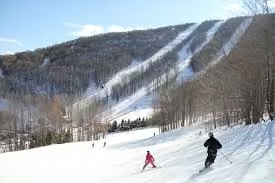
Before you hit the slopes, it’s essential to do your homework. The Catskills region boasts a variety of ski resorts, each catering to different skill levels. Some popular resorts include Hunter Mountain, Windham Mountain, and Belleayre Mountain. Hunter Mountain is known for its challenging runs, making it a favorite for advanced skiers. Windham Mountain offers a balanced mix of trails suitable for all skill levels, while Belleayre Mountain is perfect for beginners and families with its friendly slopes and excellent learning programs. Understanding the difficulty levels of these resorts will help you choose the one that best suits your skills and preferences.
Check Weather Conditions and Plan Trip Dates Accordingly
Weather can significantly impact your skiing experience. Before setting your trip dates, check the weather conditions in the Catskills. Look for forecasts that predict good snow coverage and favorable skiing conditions. Websites like Weather.gov can provide accurate weather predictions and snow reports. Planning your trip around the best possible weather ensures that you get the most out of your time on the slopes and avoid any unpleasant surprises.
Make Advance Reservations for Accommodation and Equipment Rentals
Once you’ve chosen your destination and planned your trip dates, the next step is making reservations. The Catskills ski resorts are popular, and accommodations can fill up quickly, especially during peak season. Booking in advance ensures you have a comfortable place to stay near the slopes. Additionally, if you don’t own ski equipment, it’s wise to reserve rentals ahead of time. Many resorts offer online reservations for equipment, making the process quick and straightforward. This not only secures your gear but also saves you time and hassle on the day you arrive.
Taking these steps will ensure a smooth and enjoyable trip to the Catskills. With the right preparation, you can focus on what’s most important—enjoying the slopes and creating unforgettable memories.
Essential Gear and Equipment
Must-have Ski Gear Checklist
A successful ski trip hinges on having the right gear. You’ll need:
- Base layers: moisture-wicking thermal tops and bottoms
- Mid layers: insulated jackets or fleeces
- Outer layers: waterproof and windproof ski jacket and pants
- Ski socks: warm, breathable, and moisture-wicking
- Gloves or mittens: waterproof and insulated
- Helmet: for safety
- Goggles: to protect your eyes from snow glare
Choosing the Right Ski Equipment for Your Skill Level
Picking the right equipment can make or break your trip. Here are some guidelines:
- Beginners: Choose skis that are shorter and more flexible for easy maneuverability. Opt for boots that are forgiving and comfortable.
- Intermediate: Go for skis with moderate width and stiffer flex for better control at higher speeds. Boots should offer a snug fit and good support.
- Advanced: Select longer and stiffer skis for precise control and performance. Boots should be very snug, offering maximum control for aggressive skiing.
Importance of Properly Fitted Boots and Helmets
Properly fitted boots and helmets are crucial for both comfort and safety. Ill-fitted boots can cause blisters, foot pain, and reduced control over your skis, ruining the enjoyment of your trip. Ensuring your boots fit well can provide better balance and maneuverability.
Helmets are indispensable for your safety. A well-fitted helmet can protect you from head injuries in case of falls or collisions. Always make sure your helmet is snug but comfortable, sitting level on your head without tilting.
Now that you’re all geared up, it’s time to ensure you stay comfortable on the slopes to make the most of your skiing experience.
Maximizing Comfort on the Slopes
Strategies for Staying Warm and Dry
Staying warm and dry is key to enjoying your time on the slopes. Start by dressing in layers. Your base layer should be moisture-wicking to keep sweat away from your body. Over that, wear an insulating layer for warmth, like a fleece or down jacket. Your outermost layer should be waterproof and windproof.
- Don’t forget accessories: Invest in a good pair of ski gloves or mittens, thermal socks, and a neck gaiter or balaclava. Hand and foot warmers can be lifesavers on particularly cold days.
Hydration and Nutrition Tips for Skiing
Skiing is physically demanding, so it’s crucial to stay hydrated and properly nourished. Drink plenty of water before hitting the slopes and carry a water bottle with you. Hydration packs that fit inside your jacket are convenient and allow you to sip water without removing your gloves.
- Eat a balanced breakfast: Opt for complex carbohydrates, protein, and some healthy fats to fuel your body. Think oatmeal with nuts and fruit, or eggs with whole-grain toast.
- Snack smart: Carry easy-to-eat snacks like energy bars, trail mix, and fruit. Avoid sugary snacks that may cause energy crashes.
Recommended Break Schedules to Prevent Fatigue
Taking breaks throughout the day is essential to avoid fatigue and maintain your energy levels. Plan short breaks every 1-2 hours to rest, hydrate, and grab a snack. Use this time to warm up inside the lodge, especially if you’re skiing in very cold conditions.
- Listen to your body: If you feel tired or sore, don’t push through it. Taking a break can help prevent injuries and ensure a more enjoyable experience.
With the right preparation, your ski trip can be both exhilarating and comfortable. As we continue, we’ll delve into the importance of safety and etiquette on the slopes. Make sure you’re familiar with ski resort rules and follow basic safety guidelines to keep your adventure fun and injury-free.
Safety and Etiquette
Understanding and Following Ski Resort Rules
A crucial part of having an enjoyable ski trip is understanding and adhering to the specific rules set by the ski resorts. These rules are designed to ensure the safety and enjoyment of all visitors. Take a moment to familiarize yourself with the resort’s guidelines, which can typically be found online or at the resort itself. Knowing what is expected of you, such as designated ski areas, off-limit zones, and speed limits, can prevent accidents and keep everyone on the slopes safe.
Basic Slope Safety Guidelines and Warning Signs
Staying safe on the slopes involves more than just following resort rules. Pay attention to your surroundings and be aware of common safety practices:
- Know Your Limits: Choose trails that match your skill level. Overestimating your abilities can lead to falls and injuries.
- Keep an Eye on Signs: Resorts use signs to indicate trail difficulties, potential hazards, and closed areas. Respect these warnings to avoid accidents.
- Stay in Control: Always ski within your ability to stop or avoid other skiers and obstacles.
- Yield Properly: When merging onto a trail or starting downhill, yield to others. Look uphill and ensure a clear path before proceeding.
- Avoid Stopping in Hazardous Areas: Do not stop in areas obstructing the trail or where you are not visible from above.
Proper Lift Usage and Mountain Etiquette
Using ski lifts properly and observing mountain etiquette ensures smooth operations and enhances the experience for everyone:
- Prepare Ahead: Have your equipment ready and know how to board and disembark before reaching the lift.
- Follow Instructions: Pay attention to lift operators and signs. They are there to guide and ensure safe usage.
- Remain Seated and Secure: Stay seated while the lift is moving and secure any loose items to prevent falls.
- Be Considerate: Avoid blocking entry or exit points and help others if needed.
- Respect Personal Space: Maintain a respectful distance when skiing around others.
By following these safety guidelines and resort rules, you can enjoy a stress-free and enjoyable skiing experience.
Making the Most of Your Experience
Best Times to Hit the Slopes for Optimal Conditions
To make your Catskills skiing experience unforgettable, timing is everything. Early birds have an advantage: hitting the slopes as soon as the lifts open means fresher, less crowded runs, which makes for smoother skiing. On weekends and holidays, arriving early can help you avoid congestion, allowing you to maximize your skiing time. Midweek skiing is also a fantastic option, as you’ve got a better chance at quieter, less trafficked slopes.
Recommended Trails for Different Skill Levels
The Catskills offer a diverse range of trails suitable for various skill levels:
- Beginner: Hunter Mountain’s “Colonels Chair” offers wide, gentle slopes perfect for beginners getting their ski legs. Belleayre Mountain also has the “Easy Out” trail that provides a welcoming introduction.
- Intermediate: Windham Mountain’s “Whistler” trail is ideal for intermediate skiers looking for a little more challenge without being overwhelming. Hunter Mountain’s “Belt Parkway” is another excellent choice, with beautiful scenery and varied terrain.
- Advanced: For the more adventurous, Hunter Mountain’s “Westway” is demanding and thrilling, demanding sharper skills. Windham’s “Upper Wipeout” Trail is another must-try for seasoned skiers seeking an adrenaline rush.
Tips for Capturing Memories While Staying Safe
Documenting your skiing adventure is a great way to relive those exhilarating moments:
- Wear a GoPro: A helmet-mounted GoPro can capture your slopes runs hands-free, ensuring you remain safe while documenting your experience.
- Keep Your Phone Handy: Use a secured pocket for easy access to your phone, but stop safely off to the side of the trail to take photos or video.
- Selfie Safety: If you’re taking selfies, always make sure to do so when you’re stopped in a safe, visible spot to avoid posing hazards to yourself or others.
- Capture the Landscape: The Catskills scenery is breathtaking, especially from elevated trails. Take a moment at the top of a mountain or on a midpoint break to snap panoramic shots.
By following these tips and choosing the right trails, you can ensure your ski trip in the Catskills is both thrilling and memorable. Staying cautious will keep you and others safe while you channel your inner photographer on the snowy mountains.



