

Understanding Bushwhacking in the Catskills
What makes bushwhacking different from regular hiking
Bushwhacking involves off-trail travel, unlike regular hiking, where trails guide your path. This means navigating directly through natural terrain without predefined routes, making each journey unique and challenging. While traditional hiking trails offer clear markings and ease of travel, bushwhacking demands a higher level of self-reliance and navigational skills.
Unique challenges and terrain features of the Catskills
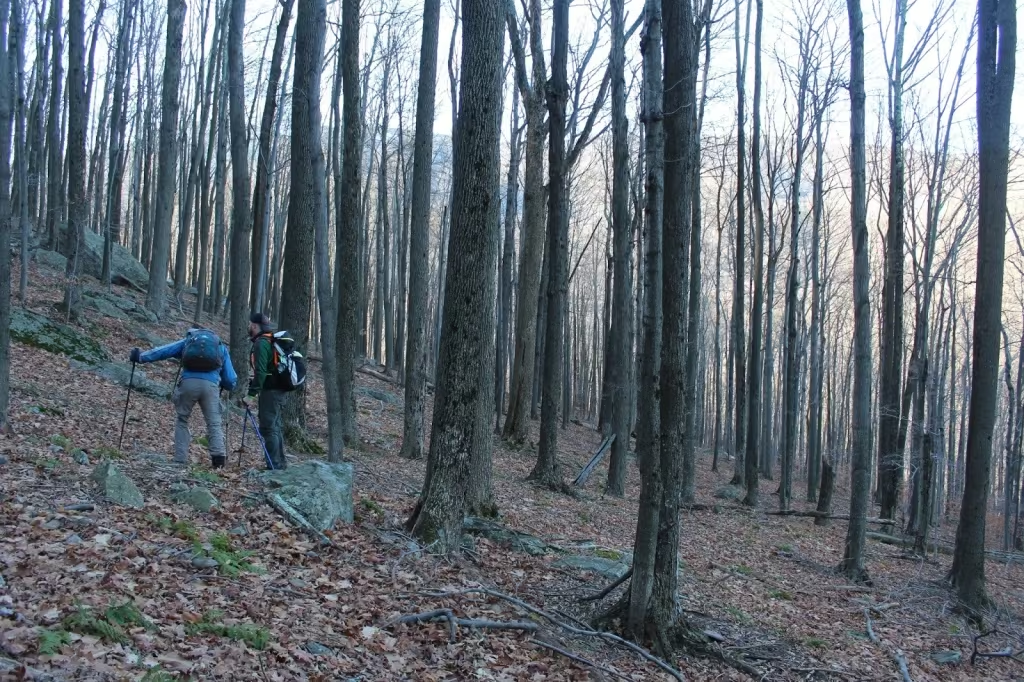
The Catskill Mountains are renowned for their dense forests, rocky ridges, and steep inclines. The terrain can be unforgiving, with thick underbrush, fallen trees, and boulder-strewn slopes posing significant obstacles. Bushwhacking in such an environment requires careful planning and adaptability to navigate through unpredictable and often arduous pathways.
Why proper preparation is crucial for off-trail adventures
Preparation is key to a successful bushwhacking adventure. Without established trails, you need to be equipped with proper gear and knowledge to handle the terrain’s demands. This includes understanding how to use navigational tools, being prepared for sudden weather changes, and ensuring you have the necessary equipment to tackle emergencies. Proper preparation enhances your safety and enjoyment, minimizing risks associated with off-trail exploration.
Essential Footwear and Clothing
When embarking on a bushwhacking adventure in the Catskills, the right footwear and clothing can make a significant difference in your comfort and safety.
Selecting Appropriate Hiking Boots with Ankle Support and Waterproof Features
Choosing the right hiking boots is paramount. Look for boots that provide robust ankle support to prevent sprains on uneven terrain. Waterproof materials are essential to keep your feet dry during unexpected rain showers or stream crossings. Opt for boots with solid grip soles to navigate slippery rocks and loose soil effectively.
Layering Strategies for Unpredictable Mountain Weather
The Catskills are known for their unpredictable weather. Employ a layering strategy to stay comfortable and protected. Start with a moisture-wicking base layer to keep sweat away from your skin. Add an insulating layer, like a fleece, for warmth. Top it off with a waterproof and windproof outer layer. This system allows you to adjust your clothing according to changing temperatures and weather conditions.
Durable Clothing Choices to Protect Against Brush and Thorns
Durability is key when bushwhacking. Your clothing should protect you from the dense vegetation, thorns, and rough terrain you’ll encounter. Wear long-sleeved shirts and long pants made of tough, abrasion-resistant materials. Consider reinforced pants and sleeves for extra protection. A hat and gloves can shield your head and hands from scratches and insect bites.
By ensuring you have the right gear, you’re already halfway to a successful and enjoyable bushwhacking experience. Next, we’ll explore essential navigation tools and skills to keep you on the right track during your off-trail excursions.
Navigation Tools and Skills
Must-have Navigation Tools
When venturing off the beaten path in the Catskills, reliable navigation tools are indispensable. Essential items include:
- Detailed topographic maps: These provide a comprehensive understanding of the terrain, including contour lines, elevation, and natural features.
- Compass: A critical tool for basic orientation and finding your bearing in dense forested areas where GPS signals might be unreliable.
- GPS devices: Handheld GPS units or smartphone apps are excellent for pinpointing your location and tracking your route.
Basic Navigation Techniques
Understanding how to use these tools is equally important. Here are some fundamental techniques:
- Map and compass reading: Learn to interpret map symbols and contour lines. Use your compass to align with the map’s north and set a course.
- Dead reckoning: Estimating your current position based on your last known location, pace, and travel direction.
- Triangulation: Identifying your position by taking bearings from two known landmarks.
Marking Your Route and Identifying Landmarks
When bushwhacking, it’s easy to become disoriented. Marking your path and recognizing key landmarks can save you from getting lost.
- Trail markers: Use biodegradable tape or natural markers like piled stones to mark your path.
- Natural landmarks: Note distinctive features like a unique rock formation, stream, or tree. These help in reorienting yourself if you lose your way.
By integrating these navigation tools and skills into your bushwhacking routine, you’ll enhance your safety and confidence off-trail. Proper navigation is vital to successfully tackling the Catskills’ rugged terrain.
Safety Equipment and Emergency Preparedness
Essential First-Aid Supplies for Wilderness Emergencies
Venturing into the Catskill wilderness requires a well-stocked first-aid kit capable of handling common hiking injuries and ailments. Include essentials like adhesive bandages, antiseptic wipes, antibiotic ointment, sterile gauze pads, medical tape, and scissors. Add in items to treat blisters such as moleskin, as they are frequent afflictions during extended bushwhacking. Tweezers are useful for removing splinters, ticks, and thorns, while antihistamines, pain relievers, and anti-inflammatory medications can help manage allergic reactions, pain, and swelling.
Emergency Shelter and Survival Gear Considerations
Preparing for unexpected weather or overnight stays is crucial in the unpredictable Catskill terrain. Pack a lightweight, compact emergency shelter such as a bivy sack or emergency blanket. These items can provide essential warmth and protection against the elements. Additionally, consider bringing a multi-tool, a whistle for signaling, and weather-proof fire starters. A headlamp with extra batteries is vital for maintaining visibility after dark, and a sturdy knife can assist with numerous survival tasks.
Communication Devices and Backup Power Sources
Staying connected during off-trail expeditions in the Catskills is vital for safety. A reliable communication device, such as a satellite phone or a personal locator beacon (PLB), can be a lifesaver in emergencies, especially when cell service is unreliable. Ensure all electronic devices are fully charged and bring backup power sources, such as power banks or solar chargers, to maintain device functionality during extended outings.
Equipped with the right supplies and gear, you’ll be better prepared to handle any challenges that arise while bushwhacking in the Catskills.
Food and Hydration Strategy
High-energy Snacks and Meal Planning
When embarking on a bushwhacking adventure in the Catskills, it’s essential to keep your energy levels high with the right snacks and meals. Opt for high-calorie, portable foods that are easy to consume on the go. Some great options include:
- Energy bars
- Trail mix
- Jerky
These snacks provide the necessary fuel for your body while being lightweight and easy to carry. For longer trips, consider packing dehydrated meals that only require hot water, making them perfect for quick preparation without the need for extensive cooking gear.
Water Filtration and Carrying Requirements
Staying hydrated is crucial when bushwhacking in the Catskills. Always carry a water bottle and a hydration reservoir to ensure you have enough water for your journey. Because water sources in the wilderness may not be safe to drink directly, it’s vital to use a portable water filtration system or purification tablets. This way, you can safely drink from streams or lakes you encounter along the way, ensuring you stay hydrated without carrying excessive weight.
Emergency Food Supplies and Their Importance
It’s always wise to pack some emergency food supplies, even for day trips. These should be nutrient-dense and have a long shelf life. Items like emergency chocolate bars, high-calorie gels, and vacuum-sealed trail mix come in handy if you encounter unexpected delays or emergencies. Having these backups can make a significant difference in maintaining your energy levels and overall morale in challenging situations.
Balancing the right snacks, water management, and emergency supplies is pivotal in ensuring a safe and enjoyable bushwhacking experience. As you continue planning, remember that every aspect of your gear and strategy shapes your adventure.
Best Practices and Trail Ethics
Leave No Trace Principles for Off-Trail Exploration
When venturing into the off-trail wilderness of the Catskills, adhering to Leave No Trace principles is essential. This ethical framework helps protect and preserve the natural beauty and integrity of the environment. Key practices include:
- Pack it in, pack it out: Ensure you carry all your trash, leftover food, and litter back out with you.
- Leave what you find: Preserve the Catskills’ beauty by not picking plants, disturbing wildlife, or collecting natural objects.
- Minimize campfire impact: Use a lightweight stove for cooking and avoid using fire unless absolutely necessary. If a fire is needed, keep it small and utilize established fire rings if available.
Respecting Wildlife and Vegetation
Bushwhacking in the Catskills presents unique opportunities to observe wildlife and untouched vegetation. It is vital to respect these natural inhabitants:
- Observe from a distance: Do not attempt to touch or feed wildlife.
- Stay quiet: Minimize noise to avoid startling animals.
- Stay on durable surfaces: When walking off-trail, use existing clearings and avoid trampling vegetation.
Safety Protocols and Letting Others Know Your Plans
Prioritizing safety involves several key elements to ensure a secure and enjoyable experience:
- Plan ahead and prepare: Study maps and familiarize yourself with the terrain.
- Communicate your itinerary: Inform a trusted contact about your route and expected return time.
- Carry a whistle: Use it to signal for help if needed.
- Backup communication: If possible, carry a satellite phone or personal locator beacon for reliable communication in emergencies.
By following these practices, you can explore and enjoy the Catskills responsibly, ensuring your adventure is both exhilarating and sustainable. Proper etiquette and safety protocols enhance your bushwhacking experience, allowing you to make the most of your time in the wild.



