
Essential Gear for Catskills Snowshoeing
Choosing the Right Snowshoes
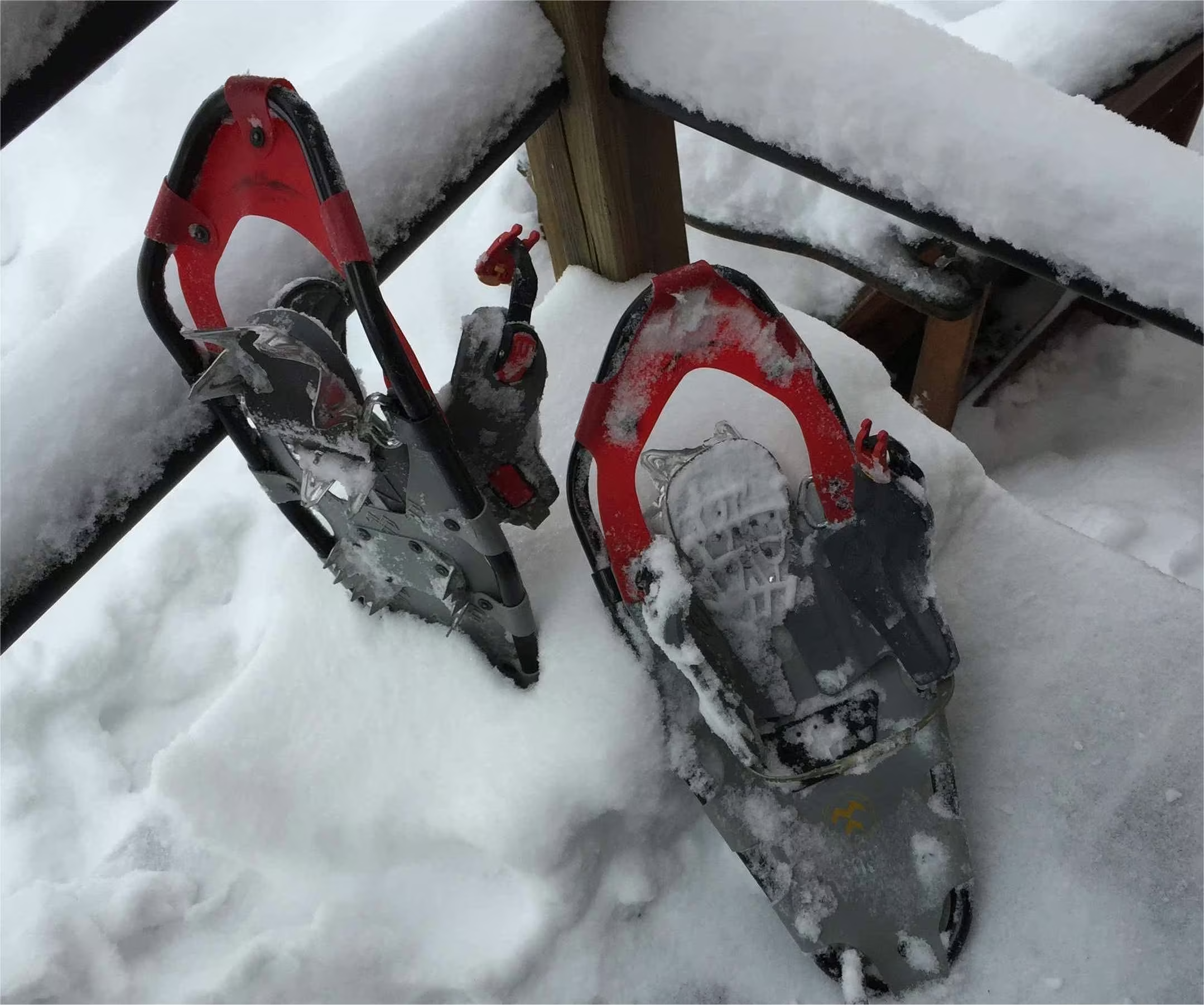
Selecting snowshoes that suit your needs is crucial. The right snowshoes depend on the terrain and your body weight. For beginners, opt for flat-terrain snowshoes as they’re ideal for packed snow trails. For more adventurous, mountainous treks, consider snowshoes designed for rolling or steep terrains with aggressive traction that can tackle icy patches. Remember, the snowshoe’s flotation—how well it distributes your weight over the snow—is essential. Heavier weight needs larger snowshoes to prevent sinking.
Waterproof Boots and Moisture-Wicking Socks
Your feet’s comfort can make or break your trip. Waterproof boots are a must, protecting your feet from snow and slush. Pair them with moisture-wicking socks that keep sweat at bay and ensure your feet stay dry. This combination helps prevent blisters and keeps your feet warm, even in sub-zero temperatures.
Layered Clothing System
A layered clothing system is your best defense against the cold. Start with a good base layer made from merino wool or synthetic materials to wick moisture away from your skin. Add an insulating layer, like fleece or down, to trap body heat. Your outer layer should be waterproof and windproof to shield you from the elements. Don’t forget accessories like gloves, hats, and neck gaiters for added protection.
As you gear up to hit the trails, always remember that being well-prepared elevates your snowshoeing experience.
Weather and Trail Preparation
Checking Weather Forecasts and Trail Conditions Before Departure
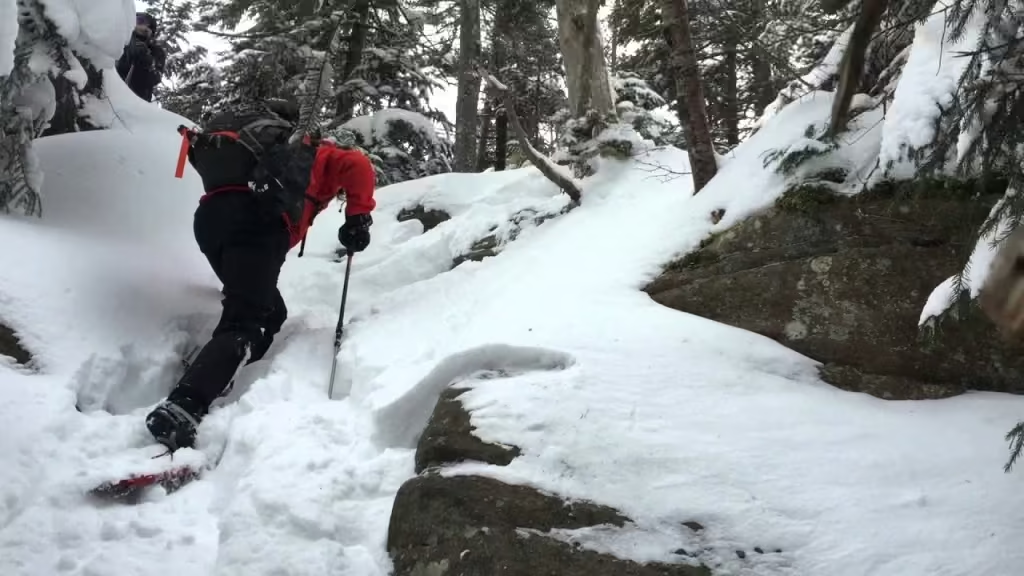
Before heading out for a snowshoeing adventure in the Catskills, always check the weather forecast and trail conditions. Staying informed about potential storms, temperature changes, and snowfall can help you plan accordingly and avoid surprises. Resources like local weather websites or apps can provide up-to-date information. Additionally, check trail reports from fellow hikers or park authorities to understand current trail conditions, especially regarding snow depth and potential hazards.
Understanding Winter Trail Markers and Navigation Basics
Winter trail markers and navigation can be tricky, especially with snow covering familiar landmarks. Learn to recognize winter-specific trail markers, which may differ from those used in other seasons. Bright colors or reflective materials are commonly used to ensure visibility against the snow. Carry a detailed map of the area and a reliable compass or GPS device. Familiarize yourself with the terrain and key waypoints before setting out, as fluctuating weather can reduce visibility and make navigation challenging.
Knowing Sunset Times and Planning Trip Duration Accordingly
Winter days are shorter, which means you’ll have less daylight for your adventures. Always check the sunset time for the day of your trip and plan your hike to ensure you’re back well before darkness falls. Factor in time for breaks and potential delays due to trail conditions. Aim to start early in the day to maximize daylight and maintain a steady pace to complete your hike safely within the available daylight hours.
Equipped with these preparatory measures, you can enjoy a safer and more enjoyable snowshoeing experience in the Catskills.
Safety Measures and Winter Hiking Protocols
Essential Safety Gear
When heading out for snowshoeing in the Catskills, carrying essential safety gear can make the difference between a safe adventure and a dangerous situation. Always pack a well-stocked first aid kit. Include items like bandages, antiseptic wipes, medical tape, tweezers, and pain relief medication. Another critical inclusion is an emergency shelter, like a lightweight bivy sack or space blanket, which can provide immediate protection from the elements if you get caught in a sudden storm or need to stop unexpectedly.
Hiking with a Partner
Snowshoeing in the winter can be unpredictable, so it’s essential to hike with a partner. A companion can assist in case of an emergency, provide moral support, and help navigate tricky sections of the trail. Always leave your trip plans with a trusted person who knows your expected route, departure time, and return time. This precaution ensures that someone will be alerted if you do not return on schedule.
Recognizing and Preventing Hypothermia and Frostbite
Hypothermia and frostbite are real dangers in winter hiking. Hypothermia occurs when the body loses heat faster than it produces, causing a dangerous drop in body temperature. Symptoms include shivering, confusion, and fatigue. To prevent it, wear warm, dry layers and maintain a steady pace to keep your body heat regulated.
Frostbite affects exposed skin and extremities, such as fingers, toes, and the nose. It starts with a painful red area and leads to numbness. Protect yourself by wearing insulated gloves, hats, and face coverings, and avoid prolonged exposure to the cold.
With these precautions in mind, you’re better prepared to enjoy your Catskills snowshoeing adventure responsibly.
Winter-Specific Health Considerations
Proper Hydration Techniques in Cold Weather
Staying hydrated during your snowshoeing adventure in the Catskills is crucial, even in the cold. The chilly temperatures can often mask your thirst, but remember, your body still needs plenty of water. Consider carrying an insulated water bottle to prevent your water from freezing. Adding a hydration bladder with an insulated tube can also be a lifesaver, ensuring you have easy access to water even when the temperature drops. Aim to drink regularly, even if you don’t feel thirsty, to maintain optimal hydration levels.
Sun Protection Including Sunscreen and Eye Protection
The winter sun can be deceptively strong. Snow reflects the sun’s rays, increasing your risk of sunburn. Applying a broad-spectrum sunscreen with an SPF of at least 30 to all exposed skin can help protect you from harmful UV rays. Don’t forget to reapply every two hours, especially if you’re sweating. Protecting your eyes is equally important. Wearing UV-blocking sunglasses or snow goggles will shield your eyes from the bright sunlight and glare, preventing snow blindness.
Managing Physical Exertion and Staying Warm While Active
Maintaining the right balance between physical exertion and staying warm is key to enjoying your snowshoeing trip. Start with a brisk pace to warm up but avoid sweating too much, which can lead to chilling when you slow down. A layered clothing system will help you regulate your body temperature effectively. Begin with a moisture-wicking base layer to keep sweat off your skin, add an insulating layer for warmth, and top it off with a waterproof, breathable outer shell. Adjust your layers as needed to maintain comfort without overheating.
Next up, let’s explore the importance of respecting trail etiquette and minimizing your environmental impact during your winter adventures.
Trail Etiquette and Environmental Impact
Following Leave No Trace Principles in Winter Conditions
When snowshoeing in the Catskills, adhering to Leave No Trace principles is crucial to minimize your impact on the environment. Winter conditions make this particularly important. Ensure that you:
- Stay on designated trails to avoid damaging vegetation beneath the snow.
- Pack out all waste, including food scraps and biodegradable items.
- Avoid creating new paths, which can lead to soil erosion and habitat disturbance once the snow melts.
Sharing Trails with Other Winter Sports Enthusiasts
The Catskills are a haven for winter sports enthusiasts, including snowshoers, skiers, and snowboarders. To promote a positive trail experience for all:
- Yield the trail to faster-paced users, such as cross-country skiers, when necessary.
- Keep noise levels to a minimum to maintain the serenity of the environment and avoid disturbing wildlife.
- Be respectful of others’ space and avoid crowding, especially in popular areas or at trailheads.
Protecting Catskills Wildlife and Vegetation During Winter Months
Winter is a challenging time for local wildlife. Your presence should not add to their stress:
- Observe animals from a distance and do not feed them. Feeding wildlife can disrupt their natural behaviors and diets.
- Stick to established trails to reduce the risk of trampling on plant life and damaging fragile ecosystems.
- Educate yourself on the local wildlife and their behavior, so you can avoid sensitive areas and give animals the space they need.
Following these guidelines helps ensure that the Catskills remain pristine for future generations and maintains a safe and enjoyable environment for all.
Emergency Response and Preparedness
Understanding Basic Winter Survival Skills
Navigating the challenges of winter snowshoeing in the Catskills requires a solid grasp of basic winter survival skills. Key skills include building a snow shelter, mastering fire-starting techniques in wet conditions, and signaling for help using a whistle and a high-visibility item. Familiarize yourself with these skills before heading out, as they can be lifesaving in an emergency.
Knowing How to Contact Local Emergency Services
Before hitting the trails, ensure you know how to contact local emergency services. This requires understanding the area’s cell phone coverage and having numbers for local rescue operations. Save emergency contact numbers in your phone and write them down on a piece of paper stored in a waterproof bag. Equipping yourself with a fully charged mobile phone and a backup battery pack can also make a significant difference in an emergency.
Recognizing When to Turn Back or Alter Plans Based on Conditions
Flexibility is vital when dealing with unpredictable winter conditions. Always be prepared to turn back or alter your plans if the weather worsens or trail conditions become unsafe. Recognize early signs of hypothermia or exhaustion in yourself and your companions, and don’t push through adverse conditions. Prioritize safety over reaching your original destination, and always have a contingency plan ready.
Being equipped with the right knowledge and having a cautious approach ensures that you’re prepared for varying conditions on the trails found in the Catskills.



