
(An Upper Delaware Inn Guide to enjoying the great outdoors.)
Communication and Navigation Essentials
Reliable Two-Way Radios or Satellite Phones for Emergency Contact
Picture this: You’re deep in the backcountry on an exhilarating snowmobile adventure when you encounter a mechanical issue or unexpected injury. What now? Reliable two-way radios or satellite phones are a lifeline in these situations. These devices ensure you can connect with emergency services or fellow riders when cell coverage is nonexistent. Radios, like the Motorola Talkabout series, are perfect for short-range communication, while satellite phones, such as the Iridium GO!, cover more remote areas. Consider investing in high-quality models that offer durability and clear sound, which are crucial for effective communication during emergencies.
Backup Navigation Tools: GPS Devices and Physical Maps
Navigating the snowy wilderness can be challenging even for seasoned riders. A dependable GPS device is essential to keep you on the right trail. Devices like the Garmin Montana 700i are designed for rugged environments and provide accurate real-time location data. It’s also wise to carry physical maps as a backup. Technology can fail, batteries can die, but a good old-fashioned map won’t let you down. Make sure your map covers the entire area of your adventure and is stowed in a waterproof case. Additionally, learning how to read maps and use a compass is a valuable skill that can make a difference.
Fully Charged Mobile Phone in a Waterproof Case
While specialized devices are indispensable, don’t underestimate the importance of your mobile phone. Ensure it’s fully charged before you head out, and carry a portable charger or power bank as an additional backup. Equip it with a dependable waterproof case, like those from Lifeproof, to protect against the elements. Your phone isn’t just for staying in touch; it’s also your access to weather updates, navigation apps, and emergency contacts. Keeping it protected and charged is essential for safety and convenience.
Having reliable communication and navigation tools enhances your safety and confidence while exploring the backcountry. Always prepare for the unexpected, and stay connected to navigate your adventure smoothly.
Seamlessly Transitioning
With communication and navigation tools in place, it’s time to focus on the safety and emergency equipment that can make all the difference in unexpected situations.

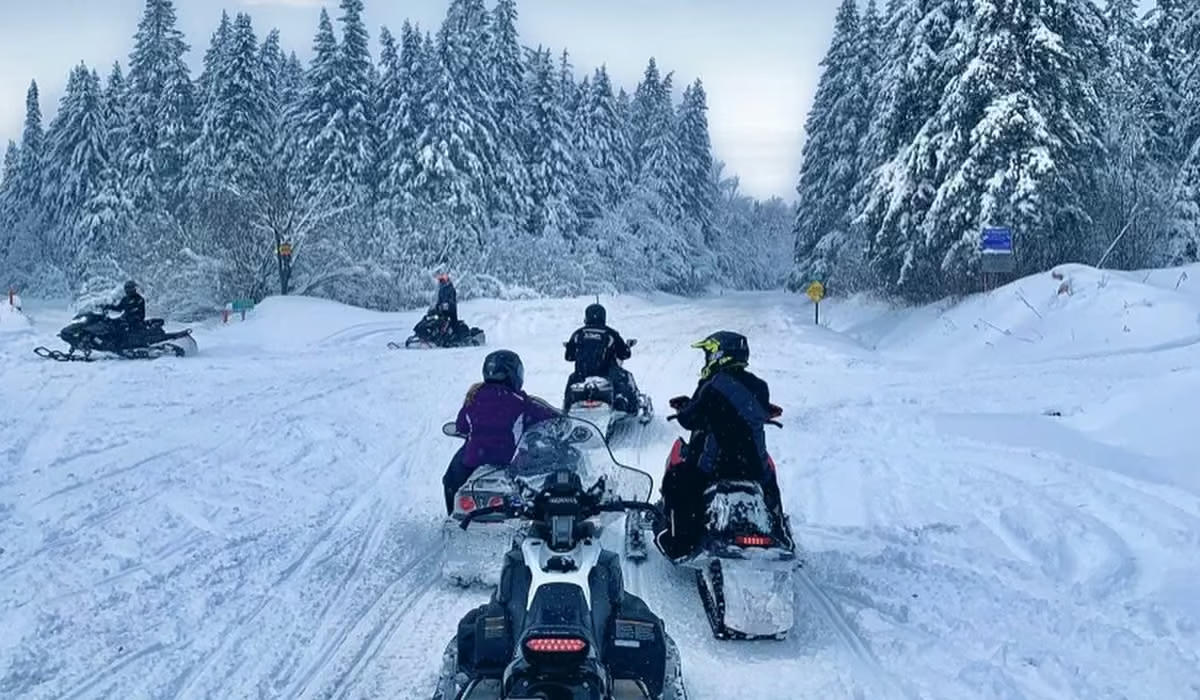
Snowmobiling in the Catskills.
Safety and Emergency Equipment
When heading out for a snowmobile adventure, ensuring your safety and preparedness should be top priorities. Unexpected situations can arise, and having the right safety and emergency equipment can make a significant difference. Let’s dive into the essential items you should pack to handle emergencies effectively.
Comprehensive First Aid Kit with Basic Medical Supplies
A well-stocked first aid kit is crucial for handling minor injuries and ailments on the trail. Your kit should include:
- Adhesive bandages of various sizes
- Sterile gauze pads and adhesive tape
- Antiseptic wipes and ointment
- Pain relievers and allergy medication
- Scissors, tweezers, and a splint
- Emergency blanket and instant cold packs
Be sure to periodically check and replenish your supplies, ensuring everything is in working order for your next trip.
Emergency Survival Kit Including Fire Starters and Emergency Blankets
An emergency survival kit can be life-saving in situations where you’re stranded or facing extreme weather conditions. Your kit should have the following:
- Waterproof matches and fire starters
- High-visibility emergency blanket
- Multi-tool with knife, pliers, and screwdrivers
- Whistle and signal mirror
- Flashlight with extra batteries
These items will help you stay warm, signal for help, and address various challenges that could arise during your journey.
Basic Repair Tools and Spare Parts for Snowmobile
Mechanical issues can happen unexpectedly, and having the necessary tools and spare parts can save you from being stranded. Here’s what you need:
- Multi-tool and adjustable wrench
- Screwdrivers (flathead and Phillips)
- Spare spark plugs and drive belt
- Cable ties and duct tape
- Small fuel container
Regular inspection and maintenance of your snowmobile can reduce the chances of breakdowns, but being prepared with these tools will provide peace of mind.
Packing these essential items ensures that you are prepared for any unforeseen challenges during your snowmobile adventure. Always prioritize safety and preparedness to enjoy the thrill of snowmobiling with confidence.
Next, let’s make sure you’re well protected from the elements with the right weather protection gear.
Weather Protection Gear
Snowmobiling exposes you to nature’s raw elements, and having the proper gear can be the difference between an enjoyable ride and a cold, miserable one. Here’s your essential weather protection checklist to stay warm and safe on the trails.
Extra Pairs of Waterproof Gloves and Moisture-Wicking Socks
Your hands are one of the first body parts to feel the chill, so having extra pairs of waterproof gloves is crucial. Wet gloves can make your hands unbearably cold, leading to discomfort and even frostbite. Pack several pairs to rotate as needed. Equally important are moisture-wicking socks. Keeping your feet dry is essential in preventing blisters and maintaining warmth. Wear a pair, keep a pair on standby, and pack a few extra just in case.
Insulated and Waterproof Outer Layers
Staying warm and dry means investing in high-quality insulated and waterproof outer layers. Look for jackets and trousers specifically designed for snowmobiling, featuring robust insulation, windproofing, and waterproofing. Layering is also key: start with a moisture-wicking base layer, add an insulating middle layer, and finish with a waterproof and windproof outer layer. This system allows for flexibility and adaptability to changing weather conditions.
Face Protection and Goggles
Exposed skin is susceptible to frostbite and windburn, especially in harsh weather. Face protection, like balaclavas or neck gaiters, helps shield your face and neck from biting winds. Quality snowmobiling goggles with anti-fog and UV protection features are also essential, ensuring clear vision in snowy or sunny conditions. Securely fitted goggles prevent snow, wind, and ice from impairing your sight, adding an extra layer of safety to your adventure.
Weather protection gear is an essential part of snowmobiling. It’s all about layering, staying dry, and keeping protectively covered, ensuring you can focus on enjoying your ride instead of enduring the cold. Let’s move on to the next crucial aspect of preparation.
Sustenance and Hydration
Keeping your energy up and staying hydrated is crucial when you’re hitting the trails on your snowmobile. Being out in the cold can drain your energy faster than you might expect, and proper hydration is key to staying alert and focused. Here’s what you’ll need to keep going strong.
High-Energy Snacks and Emergency Food Supplies
When you’re out on an adventure, easy access to high-energy snacks is essential. Pack items like protein bars, trail mix, and dried fruit. These snacks provide a quick energy boost and are easy to store. In case of an extended trip or an unexpected delay, having emergency food supplies such as freeze-dried meals or energy gels can be a lifesaver. Make sure you have enough to last at least 24 hours, as you never know what surprises the wilderness might throw your way.
Insulated Water Containers to Prevent Freezing
Staying hydrated in cold weather can be a bit tricky since regular water bottles can freeze quickly. Opt for insulated water containers designed for extreme conditions. These containers not only keep your water from freezing but can also help maintain the temperature of hot beverages, which can be a comforting treat during your breaks. Remember to fill them with warm water before you start your journey to further delay the freezing process.
Portable Water Filtration System for Emergencies
Clean drinking water is paramount, and sometimes, your initial supply might not be enough. A portable water filtration system can turn potentially unsafe water sources into drinkable water. Whether it’s a pump filter, a straw filter, or water purification tablets, having a reliable method to purify water ensures you won’t run out of safe hydration options. This is particularly important if you find yourself in a remote area where help might take some time to arrive.
Being well-prepared with sustenance and hydration supplies not only keeps you energized but also can be crucial in an emergency situation. Always check your supplies before heading out to ensure they’re in good condition and ready to use.
Personal Documentation and Identification
When embarking on a snowmobiling adventure, it’s essential to keep all necessary documentation and identification with you. This not only ensures you are compliant with local laws and regulations but also provides crucial information during emergencies.
Snowmobile Registration and Insurance Documents
Before hitting the trails, ensure your snowmobile is registered and that you have the registration documents with you. These papers confirm that you own the snowmobile and that it complies with local regulations. Additionally, having proof of insurance is crucial. In case of an accident, these documents will facilitate any legal or financial processes. Keep them in a waterproof pouch to protect them from the elements.
Personal Identification and Emergency Contact Information
Always carry your personal identification, such as a driver’s license or passport. This not only helps to verify your identity in case of any incidents but is also required for various checkpoints along established snowmobile trails. Including emergency contact information in your documentation can be a lifesaver. Should an emergency occur, rescuers will know whom to contact and can provide timely and relevant information to your loved ones.
Trail Permits and Local Area Passes
Certain trails and areas might require specific permits or passes for access. Make sure to obtain these ahead of time and carry them with you. These permits ensure that you are riding legally and can help you avoid fines or being turned back. Familiarizing yourself with local regulations prior to your trip can save time and hassle.
Proper documentation ensures that your snowmobiling trip is smooth and enjoyable. Keeping these papers organized and accessible is just as crucial as having the right gear and equipment.
______



