
Introduction to the Historic O&W Rail Trail
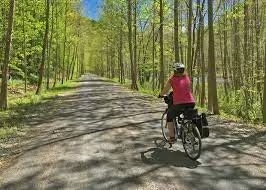
The O&W Rail Trail links Scranton, Pennsylvania, to Hancock, New York, weaving through rolling hills, scenic woodlands, and peaceful small towns. Once a bustling railway, this corridor has been transformed into a recreational path for cyclists, hikers, and nature lovers. Adventurers on the trail enjoy gentle grades and the echo of history as they pass old rail beds and restored bridges. Lush forests, sweeping river views, and glimpses of regional heritage await, inviting visitors into a landscape where the past and present meet. Bike riders from Scranton have begun to tour spending an overnight at the Upper Delaware Inn.
Next, let’s trace how this iconic route evolved from railcars to recreation.
From Railroad to Recreation: The History of O&W Rail Trail
The Birth of the Ontario & Western Railway
The origins of this storied path stretch back to the late 1800s, when the Ontario & Western Railway (O&W) served as a vital lifeline for communities from Scranton, PA to Hancock, NY. The tracks carried coal, goods, and passengers, supporting local industries and linking rural towns to thriving urban centers. The railway spurred economic growth and shaped the identity of towns along its route.
From Abandonment to Renewal
After many years of service, the O&W railway closed due to changes in transportation and economics. As rails sat unused, nature quietly reclaimed the corridor. Forward-thinking locals and historical societies recognized the potential for transformation, envisioning a public trail that blended recreation with heritage. Restoration teams cleared old tracks, stabilized bridges, and added signage, all while preserving historical features like remnants of depots and mile markers.
Preserving the Heritage
Over the years, various organizations have stepped up to preserve the rich history embedded in the trail’s landscape. Their efforts ensure visitors today can experience not just a bike ride, but a journey through the region’s vibrant past. The ongoing commitment to restoration and stewardship has created a unique space where nature, recreation, and memory connect seamlessly.
Next, let’s explore the features and scenery that await along this remarkable route.
Trail Geography and Scenic Highlights
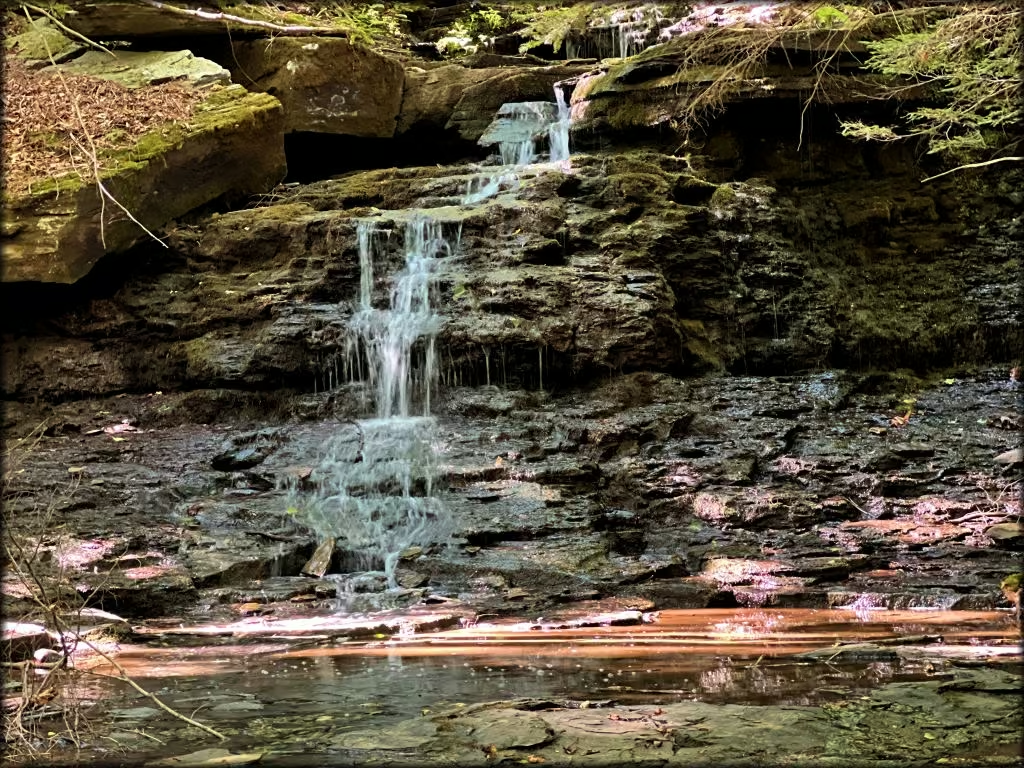
The O&W Rail Trail journey takes riders through a captivating stretch of northeastern Pennsylvania and southern New York. Starting near Scranton and winding up to Hancock, the trail passes river valleys, rolling hills, and serene stretches of hardwood forest. Cyclists are treated to ever-changing scenery, from misty mornings over streams to sun-dappled canopy rides in late summer.
One unforgettable feature is Panther’s Bluff conservation area—a wild expanse rich in native flora and top-notch birdwatching. Here, the dense woodland opens to dramatic bluffs and overlooks, inviting photos at every turn. Farmlands, small lakes, and remnants of historic depots punctuate the way, making each mile a new visual treat. Along this 33-mile route, every section offers its own distinct blend of natural beauty and local character, letting cyclists experience both tranquility and history in just a single outing.
Ready to dive deeper into trail surfaces, accessibility, and how to best enjoy each stretch? Keep reading to prep for your ideal ride.
Trail Surface and Accessibility
The O&W Rail Trail offers a mix of surfaces, thanks to its origins as an old railway. Most of the path is composed of crushed stone, providing a stable, smooth ride that’s gentle on both bikes and walking shoes. Some sections may be more compacted and firmer, while others can get softer and muddier after rain, especially in shaded or low-lying areas. These changes make it important for trail users to check the conditions before heading out.
This trail is mostly flat, so it’s very beginner-friendly. Hybrid and mountain bikes are best for the unpaved stretches, but experienced riders on road bikes can also make the journey with some care. Accessibility is a priority—the gentle grades and wide path make it suitable for walkers, runners, and even some mobility devices. Seasonal changes do affect the surface, with spring and early fall offering the most reliable conditions, while winter snow and summer rains may bring more challenges for traction and stability.
With a variety of surfaces and a welcoming design, the O&W Rail Trail is set up for riders and outdoor lovers of all skill levels to explore and enjoy at their own pace.
Planning Your Cycling Adventure
Entry Points and Parking
Starting your O&W Rail Trail ride is hassle-free, thanks to multiple entry points along the 33-mile route. Scranton and Hancock serve as ideal trailheads, each offering nearby parking lots suitable for day trips or longer adventures. Intermediate towns provide extra access spots, making the trail flexible for short loops or point-to-point rides.
Ride Times and Skill Levels
Beginner cyclists can expect to ride around 8-12 miles in two hours, with the trail’s smooth, mostly flat surface supporting a comfortable pace. More experienced riders can complete the entire route in a day, depending on rest stops and photo breaks.
Gear and Preparation
Consider a hybrid or mountain bike for maximum comfort, as surfaces can switch between packed stone and softer areas. Bring water, snacks, and a repair kit; cell service can be spotty in remote stretches. Dress in layers and check trail conditions before heading out.
Next, let’s look at how the trail supports cyclists and other visitors with key amenities for a smooth journey.
Trail Amenities and Services
Facilities Along the Trail
Cyclists and visitors will find essential amenities spaced out along the O&W Rail Trail. Restrooms are placed at main trailheads for comfort before you set out or as a handy stop mid-ride. Picnic tables and benches are available at scenic spots, making it easy to pause, refuel, and take in the views. Water stations help keep adventurers hydrated, though it’s wise to carry extra water, especially in warmer months.
Nearby Towns and Services
Several charming towns dot the route with spots to grab a meal, pick up supplies, or find emergency assistance. These towns provide welcoming stops for both planned breaks and unexpected needs. Local convenience stores and restaurants allow riders to travel light and support regional businesses.
Bike Rentals and Repairs
For those traveling without their own bike, or in need of a quick fix, rental and repair services are readily accessible in proximity to the trail. Many local shops offer day rentals and basic repair kits, making sure your adventure keeps rolling smoothly without hassle or delay.
A wonderful variety of natural, historical, and logistical features come together here, offering everyone a supportive and memorable experience.
Loop Trips and Route Options
Cyclists of every skill level can find a perfect ride on the O&W Rail Trail. Beginners or those short on time can enjoy relaxed out-and-back rides from popular access points, taking in peaceful stretches near towns or nature areas before looping back. Families might opt for a short spin between nearby trailheads, making use of picnic spots along the route.
More seasoned riders often tackle longer sections or the full 33-mile route, linking multiple towns and scenic landmarks in a single day. Experienced cyclists can also craft ambitious routes by combining the main trail with connecting local roads, or by branching off onto adjacent regional paths for added mileage and adventure.
Public transportation and parking lots near various trailheads make accessing different segments easy and flexible for all visitors. This setup ensures everyone can tailor their ride to match their interests, time, and experience, offering a custom adventure each time they visit.
The many options available for exploring the O&W Rail Trail help cyclists discover new facets of the region with every trip.
Connection to Lackawanna River Heritage Valley
Linking Past and Present in the Heritage Valley
The O&W Rail Trail weaves through a region rich in history and natural beauty, serving as a central feature in the Lackawanna River Heritage Valley. This recognized heritage area honors the region’s industrial past, where the Ontario & Western Railway once carried coal, goods, and passengers, fueling local communities and shaping the landscape.
Culture and History Along the Trail
As you cycle this path, you’ll encounter remnants of the bustling rail era—stone abutments, heritage markers, and restored depots—offering glimpses into the valley’s industrial roots. The area celebrates its unique story through local museums, historical panels, and community events, making it more than just a route but also a living link to regional identity.
More to Explore in the Valley
Beyond the trail itself, visitors can check out nearby attractions like charming riverfront parks, local art installations, and scenic overlooks. The heritage area is dotted with interpretive centers and family-friendly spaces, making it easy to blend outdoor fun with learning about the area’s vibrant past and present.
With every pedal stroke, the Valley invites riders to discover both its scenic beauty and layered heritage.
Wildlife and Natural Features
Rich Flora and Fauna Along the Trail
Exploring the trail opens a window into an ever-changing tapestry of plants and animals. Expect to see wildflowers like goldenrod and purple asters in late summer, while spring brings bright green ferns and delicate woodland blooms. Towering maples and oaks line much of the path, providing cooling shade.
Birdwatchers often spot red-tailed hawks soaring above or hear woodpeckers tapping in the trees. Deer frequently graze near the edges at dawn and dusk, while smaller mammals like chipmunks dart across your path. In wetter areas, frogs and turtles can be seen sunning themselves on logs.
Seasonal Nature Highlights
Each visit offers new nature moments. Autumn lights up the forest with stunning foliage, while spring fills the air with birdsong and fresh growth. Quiet observation might reveal butterflies and bees, or trace the gentle movements of a fox just off the trail.
Ongoing Conservation Efforts
Dedicated volunteers work to protect this landscape, managing invasive plants and maintaining healthy habitats. Efforts to preserve native species and restore wildflower meadows help keep the trail vibrant and ecologically balanced.
Practical Tips for First-Time Visitors
Safety and Etiquette
Stay alert and keep right, as the trail is shared by cyclists, walkers, and even horseback riders. Use a bell or call out when passing others. Pet owners should use leashes and clean up after their animals. Helmets are recommended for cyclists of all ages, and carrying water is crucial, especially in summer.
Itineraries and Planning
For a relaxed day trip, try a short section near a parking area. Seasoned riders might opt to tackle longer, uninterrupted stretches. Multi-day adventurers can explore the full route, taking time to visit towns along the way.
Insider Tips
Start early to enjoy quieter moments and cooler temperatures. Dress in layers—weather can shift quickly along the trail. Don’t forget your camera for scenic overlooks and historic relics found along the path.
Natural beauty and well-placed amenities await as you continue exploring.
Conclusion: Preserving the Legacy of the O&W Rail Trail
The O&W Rail Trail stands as a vibrant link between past and present. Its converted railbed welcomes cyclists, walkers, and nature lovers to experience both scenic beauty and local heritage. With each season, the trail invites new adventures while supporting regional communities and wildlife habitats. Volunteers and local organizations play a crucial part in preserving this unique public space, ensuring it remains clean and accessible for all. By following trail etiquette and supporting maintenance efforts, every visitor helps secure the trail’s appeal for future generations.



