

Introduction to the Lenape and the Delaware River
Historical Background of the Lenape People
The Lenape, also known as the Delaware people, are the original inhabitants of the Delaware River region. Theirs is a deep-rooted history, going back thousands of years, long before European settlers arrived. The Lenape territory once spanned present-day New Jersey, eastern Pennsylvania, southeastern New York, northern Delaware, and parts of Connecticut. This expansive area included the Delaware River, around which their vibrant civilization flourished. Known for being peaceful and cooperative, the Lenape lived harmoniously with nature and held a profound connection to their homeland.
The Significance of ‘Lenapewihittuck’
The Delaware River, known to the Lenape as “Lenapewihittuck,” means “the river of the Lenape.” This name underscores the integral role the river played in their lives as the lifeline of their nation. “Lenapewihittuck” represents more than a geographic feature; it embodies a legacy of sustenance, spirituality, and community. Each bend and curve of the river carried significance, narrating stories of ancestors and marking seasons of bounty and reverence.
Spiritual Connection
For the Lenape, the Delaware River is not just water flowing through the land but a living entity, a source of spiritual strength and wisdom. Their spiritual beliefs view the river as a sacred being that provides for the people and influences their way of life. Ceremonies and rituals, such as offerings and prayers, were regularly held along its banks. These practices were a testament to their respect and gratitude for the river’s gifts. The Lenape also have numerous myths and stories that center on the river, illuminating its spiritual power and interwoven nature with their own existence.
With these foundational insights into the importance of the Delaware River, we can further explore how spirituality and sacred beliefs continue to shape the Lenape’s interaction with “Lenapewihittuck.”
Spiritual Significance and Sacred Beliefs
The Delaware River as a Living Entity
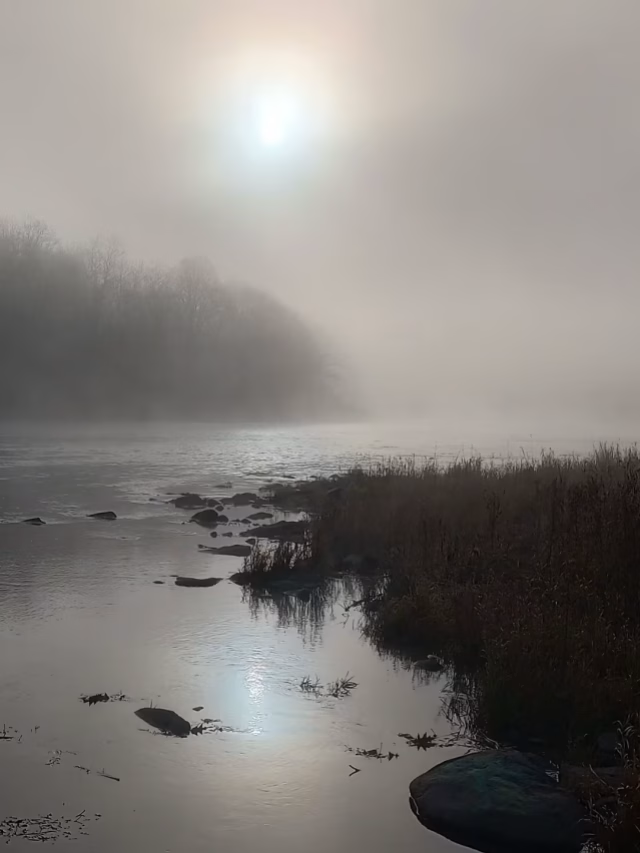
The Lenape people view the Delaware River, or ‘Lenapewihittuck,’ as a living being, rich in spiritual significance. This belief shapes their understanding of the world and their place within it. The river acts as a life-giving force. It serves as a conduit for their connection to the Creator and the natural world. The Lenape see the river as a wise elder, teaching them lessons through its steady flow and seasonal transformations.
Ritual Practices and Ceremonies
Along the banks of the Delaware River, the Lenape conduct various rituals and ceremonies to honor its sacredness. These practices include:
- Prayer and Offerings – In acts of gratitude and respect, families gather to offer prayers, songs, and gifts such as tobacco or food to the river. These offerings are seen as a way to communicate with the river’s spirit and seek its blessings.
- Purification Rituals – Water from the Delaware River is used in purification rituals. Participants believe that immersing themselves in the river washes away physical and spiritual impurities.
- Seasonal Celebrations – Ceremonies aligned with the changing seasons reflect the river’s role in the Lenape’s spiritual and daily lives. Spring and autumn, in particular, are times for large gatherings to celebrate renewal and harvest.
Traditional Stories and Myths
The Delaware River’s spiritual power is deeply embedded in Lenape oral traditions. Stories passed from one generation to the next highlight the river’s mythical status:
- Creation Myths – Some Lenape stories describe the Delaware River as one of the first creations of the Great Spirit, meant to provide sustenance and guidance for the people.
- Heroic Tales – Legends of heroes who drew strength and wisdom from the river are common. These tales often feature characters who perform great deeds with the river’s aid, showcasing its vital role in their success.
- Moral Lessons – River-centric stories often impart moral lessons about respect, cooperation, and the consequences of disrupting the natural balance. These tales reinforce the values central to Lenape culture.
The Delaware River’s sacred presence continues as a cornerstone of Lenape spirituality, linking them to their ancestors and the land. As we delve deeper, the river’s role in providing sustenance and traditional practices further underscores its central place in Lenape life.
Sustenance and Traditional Practices
The River’s Role in Providing Food
The Delaware River has sustained the Lenape people for generations, providing an abundant source of food. Fishing and hunting along the river were essential practices. The Lenape utilized a variety of fishing techniques, such as weirs, fish traps, and spears, to catch fish like shad and eel, which were plentiful in the river. The river’s bounty also included waterfowl and other animals that thrived in the surrounding ecosystem, providing a rich diet of protein.
Traditional Gathering of Medicinal Plants
Beyond food, the riverbanks were a haven for medicinal plants. The Lenape gathered an array of plants for healing purposes, harnessing nature’s pharmacy. These traditional practices included the use of plants like willow bark for pain relief and blackberry roots for digestive issues. Knowledge of these plants and their uses was passed down through generations, ensuring the continuation of this crucial aspect of Lenape healthcare.
Seasonal Patterns of Resource Utilization and Conservation Practices
The Lenape demonstrated a profound understanding of the river’s seasonal rhythms. They engaged in sustainable practices to ensure the river’s resources were available year-round. Fishing practices were adjusted seasonally, and particular times of the year were designated for harvesting specific plants and animals. Conservation practices, such as rotating fishing spots and ensuring breeding periods were respected, reflected a deep respect for the environment.
The Lenape’s methods of sustenance and gathering illustrate their intrinsic connection to the Delaware River, promoting a harmonious existence with nature that continues to inspire sustainable practices today.
Cultural Identity and Community Life
The River’s Influence on Lenape Social Structure and Community Organization
The Delaware River has been a cornerstone of the Lenape people’s social fabric. The river not only provided sustenance but also shaped their societal structures. Lenape clans, known as phratries, were often named after animals that thrived along the river. This connection to the river’s ecosystem fostered a sense of unity and shared responsibility among clan members.
The river also influenced settlement patterns. Villages were typically established along its banks, facilitating easy access to water and food resources. The proximity to the river enabled efficient transportation and communication within the community. The river, thus, acted as a lifeline, enabling the Lenape to maintain robust and well-organized social networks.
River-Based Traditions Passed Down Through Generations
From birth to death, the Delaware River featured prominently in Lenape life, creating a rich tapestry of traditions passed down through generations. The oral tradition ensured that stories, songs, and dances honoring the river were preserved. Each generation learned the art of fishing, hunting, and gathering in harmony with the river’s rhythms. Elders played a crucial role in this transmission of knowledge, ensuring that each new generation understood the river’s critical role in their heritage.
Ceremonies such as the Green Corn Festival and the Harvest Festival involved rituals performed along the riverbanks. These events not only marked seasonal changes but also reinforced community bonds. The continuous practice of these traditions exemplifies the deep-seated respect and reverence the Lenape hold for the Delaware River.
The Delaware River as a Meeting Place for Different Lenape Communities
The Delaware River served as a central meeting place for Lenape communities. During various seasons, different clans would gather along the riverbanks for collective activities such as trading, council meetings, and social festivals. This practice of coming together fostered inter-clan alliances and facilitated the exchange of goods, ideas, and cultural practices.
The river’s role as a natural boundary and a connective corridor enabled the Lenape to maintain a cohesive cultural identity, despite being spread across a large geographic area. This connectivity was vital in preserving their language, traditions, and communal practices.
The river’s impact on cultural identity and community life recognizes that the Delaware River provides more than a physical resource. It has been the heartbeat of the Lenape community, shaping their social structures and sustaining their cultural heritage across generations.
Modern Day Connection and Preservation
Contemporary Lenape Efforts
The Delaware River remains a vital cultural symbol for the Lenape people today, with a strong sense of responsibility to preserve their river-based traditions and ancestral sites. Despite historical displacements, modern Lenape communities are dedicated to maintaining their connection to the river. They organize gatherings and ceremonies along the banks, reflecting their continued reverence for Lenapewihittuck. These events serve not only as cultural preservation but also as opportunities for younger generations to learn about their heritage and the river’s significance.
Lenape communities also engage in active conservation efforts. They participate in maintaining the river’s health by advocating for the protection of its ecosystems. By collaborating with environmental organizations, the Lenape work towards the sustainability of the Delaware River, ensuring that it can continue to support their cultural practices and the biodiversity within its waters.
Preservation Challenges
However, preserving such a sacred relationship with the river is not without its challenges. Modern developments and industrial activities along the Delaware River pose significant threats to the sacred sites and environmental balance. Pollution, deforestation, and urban expansion disrupt the natural landscape, making it difficult for the Lenape people to carry out traditional practices and rituals.
There is also the challenge of legal recognition and protection of these sacred sites. Securing the legal rights to protect and access these lands is crucial for maintaining the integrity of their spiritual and cultural activities. The fight for legal protection often necessitates collaboration with government bodies and advocacy groups.
Collaborative Efforts
To address these challenges, ongoing collaborations between Lenape communities and environmental conservation groups have garnered support and awareness for preserving the river. These partnerships aim to protect the river’s ecological health and cultural heritage. Collaborative projects often involve river clean-ups, habitat restoration, and educational programs that highlight the historical and cultural importance of the Delaware River.
Additionally, contemporary Lenape communities work alongside academic institutions to document and share their rich history and knowledge about the river. Through these efforts, they are able to raise awareness and advocate for the care and reverence that Lenapewihittuck rightfully deserves.
In preserving the Delaware River, the Lenape people ensure that its invaluable cultural and spiritual significance continues to be recognized and respected by future generations.
As we reflect on the Lenape’s modern connection to the river, it becomes evident how deeply their identity and traditions are intertwined with Lenapewihittuck. This enduring relationship highlights the need for persistent, collective efforts toward its preservation.



