
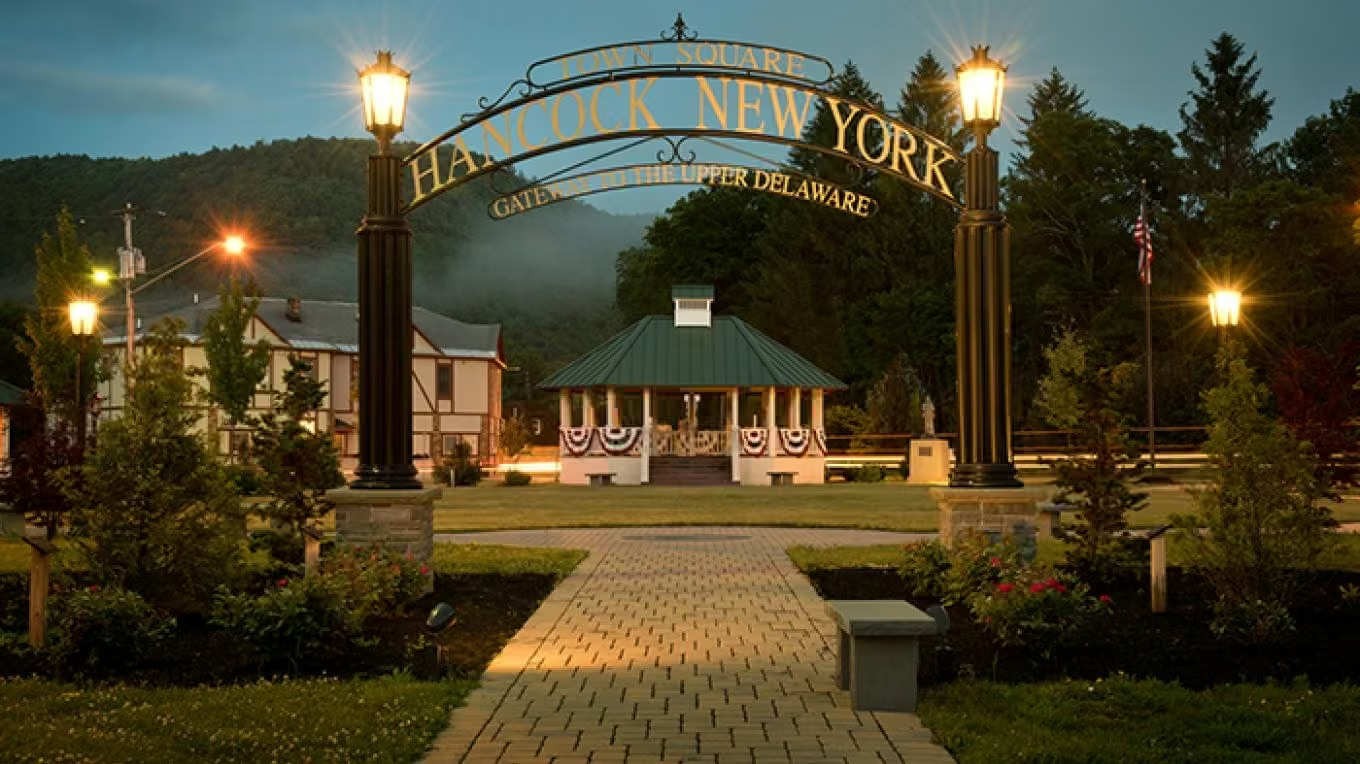
Understanding Small Town Economic Revival
Key challenges faced by small towns in modern economy
Small towns often grapple with unique obstacles in today’s economy. These issues include population decline, limited job opportunities, and lack of access to modern technology. Factors like outmigration, where young people leave for better opportunities in urban areas, further contribute to workforce shortages and economic stagnation. Additionally, small towns frequently struggle with underfunded infrastructure, making it difficult to attract new businesses and residents.
The importance of balanced development approach
Adopting a balanced development approach is vital for the revival of small towns. This involves harmonizing economic growth with the preservation of local culture and community values. Balanced development ensures that towns do not lose their unique charm and identity while modernizing. Careful planning can lead to growth that benefits all community members, thereby creating a more sustainable and inclusive economy.
Why preserving local character matters in economic growth
Preserving the local character is crucial for long-term economic health. Small towns often stand out because of their unique cultural and historical features, which can be significant drivers for tourism and local pride. When towns maintain their distinct identities, they attract visitors and new residents, contributing to a diversified and robust local economy. By valuing and promoting their uniqueness, small towns can create economic models that are not only profitable but also culturally enriching and sustainable.
Understanding the importance of these elements helps pave the way for green innovation and sustainable practices tailored to the needs of small towns.
Green Innovation in Rural Communities
Success Stories of Small Towns Embracing Sustainable Industries
Small towns across the globe are showing that embracing sustainable industries can transform entire economies. Consider the example of Greensburg, Kansas. After being nearly destroyed by a tornado in 2007, the residents decided to rebuild their town with sustainability in mind. This initiative brought about new green jobs, technical innovation, and a revitalized economy. The town incorporated wind turbines, energy-efficient buildings, and other green technologies, positioning itself as a model for sustainability.
Similarly, the village of Totnes in the United Kingdom established itself as a leader in sustainability with its Transition Town initiative. This grassroots movement focuses on decreasing dependence on fossil fuels by promoting local food production, renewable energy, and the creation of local currencies. The approach has not only helped preserve local character but also thrived economically by fostering a strong community spirit and resilience.
How Eco-Tourism Initiatives Created New Revenue Streams
Eco-tourism has proven to be a valuable revenue stream for rural communities. Take the town of Blue River in Oregon. By promoting its natural beauty and outdoor activities such as hiking and fishing, Blue River attracts eco-conscious tourists. This approach helps sustain local businesses and creates new opportunities, such as guided tours and eco-lodges, contributing significantly to the local economy.
Another example is the town of Spearfish in South Dakota. Known for its untouched nature and scenic beauty, Spearfish has developed eco-tourism packages that harmoniously blend adventure and environmental education. These initiatives include wildlife tours, conservation workshops, and sustainable living courses, catering to environmentally-minded travelers while generating substantial income for the local community.
Balancing Environmental Conservation with Economic Growth
Balancing environmental conservation with economic growth is key in these success stories. The town of Güssing in Austria represents a case study in achieving this balance. By transitioning to 100% renewable energy, Güssing significantly reduced its environmental footprint while stimulating the local economy. Investments in biomass, solar, and wind energy resulted in job creation and attracted global attention, drawing in investment and boosting local incomes.
Another approach can be seen in the coastal town of Bandon, Oregon. Here, a focus on preserving the natural coastal ecosystem has been crucial. The town encourages sustainable fishing practices and marine conservation, catering not only to tourists but also ensuring long-term ecological preservation. These efforts usher in long-term economic stability while maintaining the town’s environmental integrity.
Each of these small towns leverages distinct methods, yet they share a common thread: an unwavering commitment to sustainability. These examples illustrate how embracing green innovation can pave the way for economic revival, providing a blueprint for others to follow.
Maintaining this momentum requires strategic planning, community involvement, and leveraging technology. As we continue our exploration, understanding how cultural heritage can act as an economic driver offers another avenue for growth and preservation.

Cultural Heritage as Economic Driver
Converting Historical Buildings into Tourist Attractions While Maintaining Authenticity
Small towns often have rich histories reflected in their architecture. By converting historical buildings into tourist attractions, these towns can monetize their past while keeping their authentic charm. For example, converting an old train station into a museum or a former mill into a working exhibit allows visitors to step back in time. This not only brings in tourism revenue but also instills a sense of pride among residents. Ensuring the authenticity of these conversions is critical. Using materials and techniques faithful to the original construction helps maintain the historical integrity and provides an immersive experience for visitors.
Leveraging Local Traditions and Crafts for Economic Development
Local traditions and crafts provide another avenue for economic growth. Small towns can capitalize on unique arts, crafts, and culinary traditions by promoting them through local shops, festivals, and online platforms. Artisans who create products reflecting local culture attract tourists and can sell their goods to a broader market. Workshops and demonstrations offer tourists hands-on experience, transforming them into ambassadors for the town’s cultural heritage. This approach helps preserve traditional skills and generates income for local artisans, boosting the local economy.
Creating Sustainable Tourism Models That Protect Community Values
For sustainable growth, small towns must balance tourism with preserving community values. Implementing community-based tourism models ensures that the benefits of tourism reach everyone. Local leaders should engage with residents to determine which aspects of their heritage they want to share and which should remain private. Creating diverse tourism offerings, such as eco-tourism, cultural tours, and adventure activities, can spread visitor impact and reduce strain on specific sites.
Transitioning from discussing cultural heritage into broader economic strategies reveals a comprehensive approach to sustainable community development. This ensures the town’s growth aligns with its cultural and environmental values, paving the way for long-term prosperity without compromising its unique identity.
Technology Integration in Small Town Development
Remote Work Hubs: Attracting Digital Nomads
The rise of remote work has presented an unparalleled opportunity for small towns to attract digital nomads – the wanderers who prefer flexible work environments. Innovative rural communities are converting underutilized spaces into modern co-working hubs. These hubs, equipped with reliable high-speed internet and modern amenities, provide a conducive workspace for remote professionals. By advertising the benefits of a peaceful and affordable lifestyle, some small towns have successfully drawn in digital nomads, who, in turn, contribute to the local economy through their spending on housing, dining, and leisure activities.
Modernizing Infrastructure while Maintaining Small-Town Charm
As small towns aim to modernize their infrastructure, they must strike a delicate balance between new developments and maintaining their unique charm. This involves upgrading essential services such as internet connectivity, transportation, and health facilities while preserving the town’s architectural heritage and scenic landscapes. For example, introducing smart lighting systems, energy-efficient buildings, and public Wi-Fi hotspots can enhance living standards without altering the town’s character. Keeping the community involved in these projects ensures that upgrades meet both technological advancements and local preferences.
Digital Marketing Strategies Showcasing Local Attractions
Effective digital marketing is key to showcasing the hidden gems of small towns. By leveraging social media, search engine optimization, and virtual tours, towns can increase their visibility to potential tourists and new residents. Storytelling through high-quality visuals and engaging content about local attractions, heritage sites, and unique experiences captivates a broader audience. Small towns can also utilize platforms like TripAdvisor and Airbnb to promote their accommodations and activities, thus driving economic growth through increased tourism and longer stays.
Technology integration presents multiple avenues for small towns seeking economic development, offering a harmonious blend of modernization and preserving identity. By capitalizing on the remote work trend, updating core infrastructure thoughtfully, and employing strategic digital marketing, small towns can create a sustainable economic model that benefits all.
Building Sustainable Growth Models
Creating Long-Term Economic Development Strategies
To ensure the sustainable growth of small towns, developing long-term strategic plans is essential. These plans should respect and incorporate the unique identity and heritage of the community. By doing so, they foster a sense of belonging and continuity among residents.
A thoughtful approach to long-term planning involves:
- Conducting comprehensive local assessments to understand economic assets and challenges
- Engaging residents in visioning sessions to align growth with community aspirations
- Prioritizing sectors that balance growth with preserving local culture and environment
Balancing Growth with Community Needs and Values
Growth must harmonize with the values and needs of the local community. Striking this balance can be achieved through inclusive planning processes and regular community consultations. This ensures that development projects are supported by those who will be most affected.
Key steps include:
- Facilitating open dialogues between stakeholders
- Ensuring that new developments do not overshadow the town’s charm
- Creating initiatives that offer dual benefits, such as employment and environmental conservation
Establishing Partnerships between Local Government and Businesses
Strong partnerships between local governments and businesses are foundational to sustainable economic models. These alliances leverage resources, expertise, and innovation to tackle common challenges.
Strategies for robust partnerships include:
- Creating business councils that include representatives from various sectors
- Encouraging public-private partnerships for infrastructure projects
- Offering incentives for businesses that contribute to community goals
Moving forward, the symbiotic relationship between local characteristics and modern development will underpin the ongoing success and vibrancy of small towns.
Lessons Learned and Future Directions
Key Factors Contributing to Successful Small Town Revivals
Sustainable growth in small towns requires a strategic plan that balances modernization with preserving local heritage. Success stories reveal critical factors:
- Community Visioning: Engaging residents in creating a shared vision ensures the development aligns with their values and needs.
- Sector Prioritization: Focusing on sectors like eco-tourism, local crafts, and remote work hubs attracts investments while maintaining uniqueness.
- Technology Integration: Leveraging digital tools enhances marketing efforts, attracts new residents, and modernizes infrastructure without losing charm.
- Collaborative Initiatives: Partnerships between local governments and businesses foster a supportive environment for innovation and sustainable practices.
Common Pitfalls to Avoid in Economic Development Initiatives
Small towns face unique challenges in achieving economic revival. Avoid these common mistakes:
- Neglecting Local Identity: Outsourcing decisions to external entities can dilute local character and disrupt community cohesion.
- Overemphasis on Short-term Gains: Prioritizing immediate profits can undermine long-term sustainability and resilience.
- Ignoring Environmental Impact: Rapid development without considering environmental conservation can devastate the natural resources crucial for eco-tourism and local farming.
Recommendations for Other Small Towns Seeking Economic Growth
Small towns aiming for sustainable growth can benefit from these strategies:
- Local Assessments: Conduct thorough assessments to understand unique strengths, challenges, and needs.
- Engage Residents: Foster community involvement in planning and decision-making to ensure that initiatives align with local values and priorities.
- Focus on Sustainability: Balance development with environmental conservation and cultural preservation to create long-term benefits.
- Leverage Technology: Utilize digital tools for marketing, infrastructure modernization, and remote work opportunities to attract new residents and businesses.
Small towns can build sustainable, vibrant communities by embracing these best practices, ensuring growth that harmonizes with their distinct character and values. Properly executed strategies pave the way for economic revival, making these towns thriving hubs of culture and innovation.



