

Understanding the Current Economic Landscape
Assessing Existing Businesses and Economic Activities
To create a strategic economic development plan, it’s crucial to begin with a comprehensive understanding of the local business environment. Start by conducting an inventory of existing businesses. Identify the types of businesses that currently operate, their sizes, and their economic impact. This assessment will help pinpoint which sectors are thriving and which are struggling. Analyze the unique value propositions that local businesses offer and scrutinize market niches that are over or under-saturated.
Identifying Local Strengths, Weaknesses, and Untapped Opportunities
Every community has its unique strengths and weaknesses. Strengths could be natural resources, cultural heritage, skilled labor, or a favorable geographical location. It’s essential to leverage these strengths to foster economic growth. At the same time, recognize local weaknesses. These include a lack of infrastructure, limited financial resources, or skill gaps in the workforce. Address these weaknesses.
Beyond strengths and weaknesses, explore untapped opportunities. Consider the growing trend towards eco-tourism. If your town has beautiful natural landscapes, there might be potential to develop eco-friendly lodges or guided tours. This kind of forward-thinking can reveal lucrative opportunities that align with broader market trends.
Analyzing Demographic Trends and Market Potential
Understanding the demographic makeup of the community is key to tailoring economic development efforts. Analyzing population trends such as age distribution, income levels, education, and employment status can provide valuable insights. For example, a younger population might demand more entertainment services. They might also want technology-based services. On the other hand, an older demographic might increase the need for healthcare services. Retirement facilities might also become more necessary.
Additionally, take a close look at market potential. Identify external market trends and how they might impact local businesses. This could include the rise of remote work, increasing demand for local produce, or shifts in consumer purchasing behavior post-pandemic. Aligning economic initiatives with these trends can create sustainable growth.
Towns need to understand the current economic landscape comprehensively. This allows them to make informed decisions for effective economic development. This foundational knowledge is essential for the strategies that follow.
Building a Strong Entrepreneurial Ecosystem
Creating Business Incubators and Mentorship Programs
A dynamic entrepreneurial ecosystem begins with the creation of business incubators and mentorship programs. These incubators provide essential resources and office space. They offer services like legal assistance, accounting, and funding opportunities. These services are pivotal for nurturing startups. Think of them as the fertile soil in which new businesses can grow roots.
Mentorship programs pair seasoned entrepreneurs with fledgling business owners, offering guidance, sharing experiences, and providing vital connections. Mentors help startups navigate obstacles and avoid common pitfalls, accelerating their growth process. Implementing incubators and mentorship programs builds a solid foundation for the entrepreneurial community. These initiatives provide crucial support during the initial stages of business development.
Establishing Networks Between Local Entrepreneurs and Resources
Networking is at the core of a thriving entrepreneurial ecosystem. Creating platforms where local entrepreneurs can connect, share ideas, and collaborate is vital. Regular networking events, workshops, and community forums can foster these connections. These events facilitate knowledge sharing. They also provide opportunities for partnerships and collaborations. This significantly boosts the community’s collective potential.
Encouraging partnerships with local academic institutions, government bodies, and established businesses can provide startups with access to vast resources. This can include everything from research and development support to funding and business expertise. Establishing these networks ensures entrepreneurs have all the necessary tools and support systems to turn innovative ideas into successful enterprises.
Developing Support Systems for Startups and Small Businesses
Developing comprehensive support systems for startups and small businesses is about creating an environment where they can flourish. This involves providing access to funding options such as grants, loans, and venture capital. Financial support is often a critical barrier for many entrepreneurs, so bridging this gap is essential.
Establishing robust business development services is crucial. Services such as marketing assistance, technological support, and regulatory advice can significantly enhance the chances of success for new businesses. Offering training programs and workshops can also provide business owners with crucial knowledge. These sessions focus on developing key entrepreneurial skills which are vital for success.
By building a strong support network, towns can create an ecosystem where startups and small businesses are not just surviving. Providing the essential resources further helps them to thrive.
By focusing on these key strategies, small towns can transform their entrepreneurial landscape. This transformation paves the way for sustainable economic growth and innovation.
Leveraging Municipal Resources and Infrastructure
Optimizing Local Government Policies and Incentives
Local governments have a critical role in shaping the economic landscape of small towns. A municipality can make a significant impact by refining its policies. It can also offer incentives to attract and support businesses. This can be achieved by streamlining bureaucratic procedures, reducing red tape, and creating tax incentives for new and expanding businesses. By providing grants, tax abatements, or low-interest loans, towns can foster an environment conducive to business growth and innovation.
Improving Physical Infrastructure and Connectivity
Investing in physical infrastructure is essential for underpinning sustainable economic development. Small towns should focus on maintaining and upgrading their transportation networks, including roads, bridges, and public transit systems. Enhancing internet connectivity through fiber-optic installations or partnering with telecom companies for better broadband service is also crucial. Improved infrastructure not only supports existing businesses but also attracts new enterprises by ensuring efficient logistics and access to markets.
Maximizing Use of Existing Public Facilities
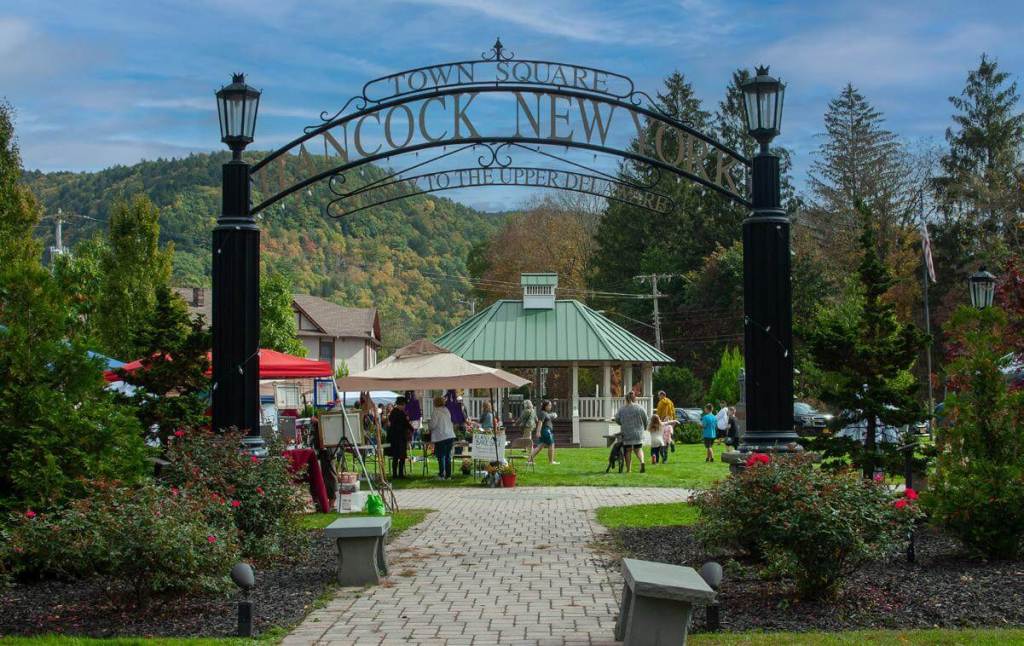
Public facilities such as community centers, libraries, and parks can be leveraged to support local businesses and entrepreneurs. These spaces can host events like farmers’ markets, craft fairs, and business expos. These events drive foot traffic. They encourage local spending. They can also serve as venues for training sessions, workshops, and networking events. These sessions provide valuable opportunities for entrepreneurs to learn. They allow entrepreneurs to connect and grow their businesses within the community.
Furthermore, underutilized public facilities can be transformed into co-working spaces or pop-up shops. These offer affordable options for startups and small ventures. They need flexible working environments. This maximizes resource efficiency and stimulates local economic activity.
Investments in policies, infrastructure, and public facilities lay the groundwork for broader economic initiatives. They ensure a supportive environment for entrepreneurs. These investments attract new investments to the town. As these efforts take root, the focus will naturally shift towards enhancing the community’s amenities and quality of life.
Investing in Community Amenities and Quality of Life
Developing Recreational Facilities and Cultural Attractions
Improving the recreational facilities and cultural attractions in a small town is crucial. It enhances the overall quality of life for residents. Additionally, it attracts more visitors. Well-maintained parks, sports complexes, and recreational trails encourage physical activity and foster a sense of community. Furthermore, investing in performing arts venues, museums, and cultural festivals can provide entertainment and a creative outlet for local talent.
These facilities enhance the lifestyle of current residents. They also increase tourism. Tourism can be a significant revenue stream. Towns should consider leveraging public-private partnerships to fund these projects, ensuring they are financially viable while meeting community needs.
Enhancing Downtown Areas and Public Spaces
The downtown area often serves as the heart of a small town, making its enhancement crucial for economic development. Upgrading the visual appeal and functionality of downtown areas can attract new businesses, shoppers, and tourists. Efforts can include beautification projects such as planting trees, adding benches, and maintaining clean streets.
Local governments should also invest in creating vibrant public spaces where residents can gather for local events, markets, and festivals. This not only makes the town more attractive but also fosters a sense of community and belonging. Special focus should be given to preserving historical landmarks as they add unique character and charm to downtown areas.
Improving Educational and Healthcare Facilities
A vibrant community must prioritize top-notch educational and healthcare facilities. Investing in schools ensures that young residents have access to quality education, which attracts families to the area. Expanding educational programs, after-school activities, and adult learning opportunities can further contribute to a more dynamic and educated workforce.
Similarly, robust healthcare facilities are essential for maintaining the well-being of residents. Upgrading local hospitals, clinics, and wellness centers ensure that everyone has access to essential medical services. Aligning these facilities with modern standards and expanding specialized care options can prevent residents from seeking healthcare elsewhere.
By focusing on these areas, small towns can significantly improve the quality of life for their residents. This comprehensive approach not only makes the town more livable. It also becomes a compelling selling point for potential new residents and businesses.
Next, we’ll explore how towns can effectively market themselves. The goal is to attract new visitors and investments. This ensures the growth and vibrancy of the community.
Marketing and Promoting the Town
Creating a Distinctive Town Brand and Identity
A strong brand can transform the perception of a small town, making it more attractive to visitors, newcomers, and investors. Start by identifying what makes your town unique. It could be its history, natural landscapes, cultural heritage, or even local festivals. Engage with community members to gather insights, ensuring the brand resonates with residents and reflects the town’s spirit.
Create a memorable logo and slogan representing the town’s identity. Consistency in branding across all platforms is vital. This includes the town’s website and social media profiles. It also includes public signage and promotional materials. This cohesive brand image will help with recognition and appeal, setting the town apart from others.
Developing Targeted Marketing Strategies
Effective marketing requires well-planned strategies targeting different audiences, including tourists, potential new residents, and businesses. For tourism, highlight unique attractions, local events, and natural beauty. Develop seasonal campaigns promoting events like summer festivals or winter markets to attract visitors year-round.
Prospective residents look for information on quality of life, such as schools, healthcare, housing, and community amenities. Showcase real-life stories and testimonials from current residents to provide an authentic perspective on living in the town.
Attracting businesses demands showcasing available commercial spaces, local talent pools, and industry incentives. Highlight the supportive entrepreneurial ecosystem and any tax incentives or grants available.
Leveraging Digital Platforms for Promotion
Digital platforms offer a cost-effective and far-reaching way to market the town. A well-designed, user-friendly website should serve as the central hub for information and engagement. Ensure it is updated regularly with news, events, and resources.
Social media platforms like Facebook, Instagram, and Twitter can amplify the town’s brand and engage with a broader audience. Use these platforms to share captivating visuals, success stories, and updates on local activities. Social media advertising can also target specific demographics, enhancing the effectiveness of marketing campaigns.
Email newsletters are another powerful tool for keeping residents and potential visitors informed about upcoming events, news, and opportunities. Regularly distribute engaging content to maintain interest and foster a sense of community.
By creating a distinctive brand, small towns can significantly enhance their appeal. Developing targeted strategies also plays a crucial role. Furthermore, leveraging digital platforms boosts their visibility.
The journey to sustainable economic development continues. We use methods for measuring success. We adapt strategies to ensure continuous growth and community prosperity.
Measuring Success and Sustaining Growth
Establishing Key Performance Indicators
To measure the success of economic development initiatives, it is essential to establish clear and relevant key performance indicators (KPIs). These metrics should align with the town’s goals and provide measurable data reflecting progress. Potential KPIs include:
- Business Growth: Track the number of new businesses established each year and the growth rate of existing businesses.
- Employment Rates: Monitor local employment rates and job creation figures.
- Population Growth: Keep an eye on demographic changes, particularly in terms of new residents and overall population growth.
- Visitor Numbers: Measure the increase in tourists and visitors to local attractions.
- Community Engagement: Gauge participation in community events, public forums, and local surveys.
Monitoring Economic Impact and Community Feedback
Regular monitoring and analyzing the economic impact is crucial for understanding the efficacy of development efforts. Utilize a variety of tools and methods to gather data:
- Surveys and Polls: Collect feedback directly from residents and business owners regarding their satisfaction and perceived improvements.
- Economic Reports: Produce annual or quarterly reports summarizing key metrics, economic trends, and fiscal health.
- Focus Groups: Engage with community members in small group discussions to gain deeper insights into their experiences and opinions.
Community feedback is invaluable for assessing the real-world impacts of development initiatives. It helps ensure that the town’s growth strategies are aligned with the needs and desires of the residents.
Adjusting Strategies Based on Outcomes
Economic development is an ongoing process that requires flexibility and adaptability. Based on the data and feedback collected:
- Refine Initiatives: Adjust or refine existing programs and policies to better meet the established goals.
- Identify New Opportunities: Stay proactive in identifying and seizing new opportunities that may arise as the town evolves.
- Reallocate Resources: Ensure that resources are allocated effectively to areas showing promise or needing additional support.
Consistent evaluation and refinement based on measurable outcomes will help sustain growth and foster a thriving community. By staying responsive to both data and community input, a town can ensure its development strategies remain effective and relevant.
Moving forward, let’s continue this journey of transforming small towns. We will dive deeper into ways to leverage municipal resources. This is for the betterment of the community.



