
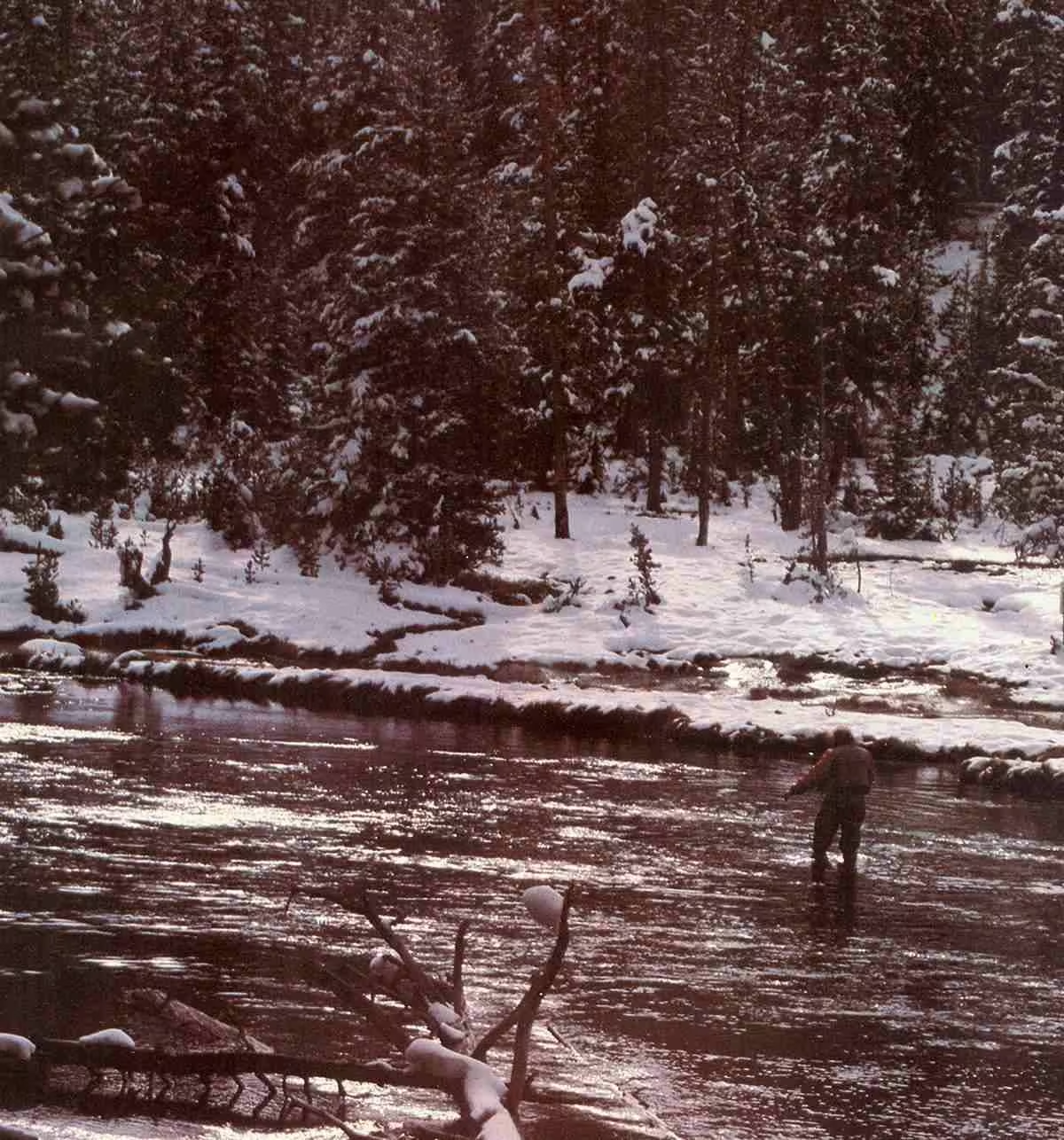
Understanding Winter Fly Fishing Basics
Key Differences Between Winter and Summer Fly Fishing
Fly fishing changes significantly from season to season. One of the most notable differences in winter fly fishing is the fish’s level of activity and feeding behavior. During the summer months, the warm water temperatures boost fish metabolism. This makes them more active. They are inclined to feed on a variety of insects both on the surface and below. Anglers can easily spot fish rising to take dry flies or emergers.
However, in winter, cold water slows down fish metabolism significantly. Fish stay in deeper sections of streams and rivers. These areas have slower-moving water, which is slightly warmer. This environment allows them to expend less energy. They are also less likely to chase after fast-moving prey, requiring anglers to adjust their tactics accordingly.
Winter Fish Behavior and Feeding Patterns
Understanding fish behavior is crucial to winter fly fishing success. When water temperatures drop, trout and other species are less active. They tend to congregate in deeper pools, slower runs, and near structures where the water is more stable. Fish essentially conserve energy by reducing movement and feeding less frequently compared to the warmer months.
Their diet shifts too. With fewer insects hatching, fish rely more on nymphs and larvae found beneath the water’s surface. This changes the strategy for anglers; flies that imitate these patterns are more successful.
Essential Gear and Clothing for Cold Weather Fishing
Winter fly fishing demands gear that can handle both the elements and the unique requirements of the sport. Here are some essential items to consider:
- Clothing: Layering is key. Start with moisture-wicking base layers to keep dry. Next, add insulating mid-layers such as fleece or down. Finish with a waterproof and windproof outer layer. Don’t forget thermal socks, gloves, and a warm hat.
- Waders and Boots: Insulated waders and waterproof boots with good traction are a must. Cold water can quickly lead to hypothermia, so proper insulation is crucial.
- Fly Rod and Reel: A shorter, more sensitive rod can help detect subtle takes. A reel with a reliable drag system is crucial for handling sluggish but heavy fish.
- Flies and Tackle: Stock your fly box with nymphs, midges, and egg patterns that are effective during cold months. Additionally, ensure you have split shot. Use indicators and other gear to get your flies down to where the fish are holding.
Recognizing these key differences and understanding the essential gear will set the stage for a successful winter fly fishing experience. We will delve further into this topic. We’ll explore the specific fly patterns. These can increase your chances of success in these wintry conditions.
Top Winter Fly Patterns
Stonefly Nymphs: A Detailed Overview
Stonefly nymphs are the juggernauts of winter fly fishing. They are invaluable to any winter angler’s arsenal. They are durable and able to thrive in cold water conditions. Stonefly nymphs are effective because of their lifelike movement. They are present in river systems year-round. Their presence is especially important in the winter months when other food sources are scarce.
Stoneflies inhabit rocky, fast-moving streams and rivers. They are hardy and can tolerate the frigid water temperatures common in winter. These nymphs are typically dark, with segmented bodies and prominent tails, mimicking the natural appearance of stoneflies. When fishing with a stonefly pattern, it’s crucial to use a slow, deliberate presentation. This slow movement mimics the natural drift of the nymph, enticing sluggish winter fish to strike.
Eggstacy Eggs for Winter Trout
Egg patterns, specifically Eggstacy Eggs, are another standout choice for winter fly fishing. These synthetic eggs are brightly colored. They are designed to imitate the roe of spawning fish. This roe is a favored food source for many fish species during winter.
Eggstacy Eggs are particularly effective for targeting winter steelhead and trout. The vibrant colors and tantalizing softness of these eggs can entice even the most lethargic fish. When using Eggstacy Eggs, present them naturally within the water column. Often, this should be near the riverbed. Hungry trout are more likely to find them there. A prominent feature of Eggstacy Eggs is their ability to maintain a lifelike profile. They also retain vibrant color even in icy water conditions. This makes them a reliable choice for cold-weather angling.
Zebra Midge: Winter Applications
Finally, the Zebra Midge deserves a spot on your fly fishing rig in the winter. Midges represent a significant portion of a trout’s diet, especially when other food sources are limited. Zebra Midges are exceptionally effective due to their simplicity and their uncanny resemblance to natural midges.
These patterns are typically small, with a shiny bead head and a slender, segmented body. The black-and-white design imitates the natural coloration of midge larvae, which thrive in cold water environments. Zebra Midges are versatile and can be used effectively in various water conditions. They work from slow-moving pools to faster riffles. When fishing with Zebra Midges, it’s important to employ light tippets. You also need to maintain a delicate presentation to avoid spooking the fish.
Winter fly patterns like Stonefly Nymphs, Eggstacy Eggs, and Zebra Midges offer unique advantages. They ensure anglers can adapt to the challenging conditions. Anglers can find success on the water. As you carefully select your flies, remember this: Understanding winter fish behavior will significantly enhance your chances. Precise presentation is also crucial for a productive winter angling experience.
Next, we will delve deeper into the techniques that will help you master the presentation of these winter fly patterns.
Winter Fishing Techniques
Slow and Deep Presentation Methods
When fly fishing in winter, slowing down and going deep with your presentation is pivotal. Cold water temperatures slow fish metabolism, making them less inclined to chase fast-moving prey. To counter this, use weighted flies to get your bait closer to the bottom. Fish are often found near the bottom during the winter months. When casting, aim for a natural drift. This should mimic the slow movement of insects or food sources present at the time. Maintaining a slow retrieval rate and making frequent pauses will present a natural and appealing offering to winter-lurking fish.
Proper Nymphing Techniques for Cold Water
Nymphing remains one of the most effective strategies for winter fishing. Using an indicator or tight-lining methods to detect subtle takes is highly beneficial in cold water. Choose nymphs like Stonefly Nymphs. They replicate the prevalent bugs. These nymphs are easy for fish to catch due to their lethargic nature in the cold. The goal is to keep your flies in the strike zone as long as possible. Adjust your depth accurately by adding or removing split shots. Keep your eye on small nuances for bites. Lethargic fish might still be apprehensive about their movements.
Adjusting Retrieve Speeds for Winter Conditions
Retrieve speeds play a significant role in determining how attractive your offering is to the fish. In winter, an ultra-slow retrieve is usually the most productive. When you do retrieve, opt for minimal stripping. Often a single small strip followed by a prolonged pause can be more effective than constant motion. Fish tend to be more responsive during a pause. This pause gives them adequate time to inspect and decide if it’s worth the energy to strike. Adjust to the fish behavior. Going slow and steady will often win the race in winter fly fishing.
By mastering these techniques, you can significantly improve your winter fly fishing success. You should adjust your presentation to the needs of cold-weather fishing.
Prime Winter Fishing Locations
Identifying Winter Holding Areas for Fish
As the temperatures drop, fish behavior data shows that trout and other species become less active. They seek out specific holding areas that provide stability, oxygen, and food. Identifying these areas is crucial for a successful winter fly fishing expedition.
- Deep Pools and Slow Runs: With the water temperature dropping, fish gravitate toward deeper pools. They also move toward slower runs where the water is more stable. It requires less energy to maintain their position there.
- Near Structure: Fish often huddle near submerged logs and boulders. These underwater structures provide protection from swift currents. They also offer potential food sources.
- Edges of Ice Shelves: In frozen-over rivers, fish can sometimes be found near the edges of the ice shelves. Moving water brings food and oxygen to this area. It does so without subjecting the fish to the strongest currents.
Focusing on Tailwaters and Spring Creeks
Not all water bodies are equal when it comes to winter fly fishing. Tailwaters and spring creeks are prime locations to target when the mercury drops for several key reasons:
- Tailwaters: These are sections of rivers below dams that maintain relatively stable, slightly warmer water temperatures throughout the year. The constant flow and temperature make tailwaters ideal for winter fishing as they provide fish with a consistent habitat.
- Spring Creeks: Fed by groundwater, spring creeks remain relatively warm and stable during the winter months. The consistent temperature keeps the fish more active compared to other frozen-over water bodies. Additionally, spring creeks are often rich in aquatic insects, providing steady food sources.
Understanding Thermal Refuges
Thermal refuges are critical areas where fish can find slightly warmer water, which is crucial for their survival and activity levels during the winter:
- Warm Water Inflows: Look for natural thermal refuges such as warm water inflows from springs. Also, search for areas where groundwater seeps into the river. These spots will attract fish looking for even a slight increase in temperature.
- Beneath Ice Cover: In lakes and reservoirs, the water just beneath the ice cover can sometimes be a bit warmer. It may be a few degrees higher. This provides an appealing habitat for fish.
Understand these holding areas. Learn the unique properties of tailwaters and spring creeks. By doing so, you can significantly increase your chances of a productive winter fly fishing outing.
Next, let’s explore the crucial timing aspects to optimize your winter fishing endeavors.
Timing Your Winter Fishing
Best Times of Day for Winter Fishing
Timing plays a crucial role in winter fly fishing. Unlike summer, fish are not active early in the morning or late in the afternoon during winter. Winter fish follow a different schedule. During the colder months, the optimal window for fishing is usually between 11 am and 4 pm. This is when the sun has had a chance to warm the water slightly, making fish more active.
Early morning and late evening often bring temperatures too cold for consistent fish activity. Fish metabolism slows down in cold water, making them less likely to feed aggressively. By late morning, they’ve adjusted to the slightly warmer temperatures and are more likely to pursue food. Therefore, plan your fishing trips to align with this late morning to early afternoon time frame for the best results.
Optimal Weather Conditions
Weather greatly impacts fish behavior and your comfort. Winter weather can be unpredictable, but there are a few key conditions that can help in determining the best times to head out:
- Warm Fronts: A warm spell following a cold front usually increases fish activity. The rise in temperature spurs fish into feeding mode, providing an excellent opportunity for anglers.
- Stable Weather: Consistent weather patterns (especially periods of moderate temperatures) can result in higher fish activity levels.
- Overcast Days: Cloudy or overcast days often yield better results than sunny days. The lack of direct sunlight keeps fish from feeling too exposed, making them more likely to roam freely.
- Snowfall: Light snowfall can create good fishing conditions. It shields fish from predators. This prompts them to feed more actively.
Reading Water Temperatures
Understanding water temperatures is fundamental in winter fly fishing. Carry a thermometer to monitor water temperatures closely, aiming for ranges between 38°F to 45°F:
- Below 38°F: Fish are quite sluggish and less likely to feed.
- 38°F – 45°F: This range is often the sweet spot. Fish will be more willing to strike and feed.
- Above 45°F: While rare in the depths of winter, higher water temperatures can temporarily boost fish metabolism. This makes them more active.
Always check local water temperatures and weather conditions for an informed fishing strategy. Additionally, consider these principles while customizing your approach, to adapt to the specific conditions you encounter on any given day.
For continued success on the water, be prepared to adjust based on observations and slight environmental changes. This level of understanding will be instrumental in enhancing your winter fly fishing experiences.
Safety Considerations
When it comes to winter fly fishing, safety is crucial. With temperatures dipping and conditions becoming more treacherous, it’s important to be well-prepared and cautious.
Managing Hypothermia Risks
Hypothermia is a serious risk during winter fishing trips. Staying warm and dry is key to preventing it. Here are some tips:
- Layer Up: Wear multiple layers of clothing. Start with a moisture-wicking base layer, add an insulating middle layer, and an outer waterproof layer.
- Insulated Gear: Use insulated waders and boots to keep your lower body warm. Numb feet can quickly ruin a trip.
- Stay Dry: Avoid getting wet at all costs. Pack extra clothes in a waterproof bag just in case you fall or get splashed.
- Stay Hydrated and Fed: Drink hot liquids and eat high-energy snacks to keep your body fueled and warm.
Ice Safety and Wading Precautions
Ice can be a hidden danger. Taking some precautions can help ensure a safer expedition:
- Check the Ice: Before stepping on icy patches, test the thickness. If it’s less than 4 inches, avoid it.
- Use a Wading Staff: A wading staff can help check the ground ahead and provide balance on slippery surfaces.
- Go Slow: Move slowly and carefully. Sudden movements might cause slips.
- Stay Close to the Bank: If the currents are strong, stay close to the riverbank. If the ice is uncertain, it’s safer to stay close to the riverbank.
Emergency Preparation Tips
Unexpected situations can arise, so be prepared:
- First Aid Kit: Always carry a basic first aid kit with thermal blankets.
- Communication: Have a fully charged phone in a waterproof case. Share your location and schedule with someone not on the trip.
- Buddy System: Fish with a partner whenever possible. Two sets of eyes are better than one and can be lifesaving if something goes wrong.
- Emergency Plans: Know the nearest exit points and how to get to warming shelters or your vehicle quickly if needed.
Taking these precautions can help you have a safe and enjoyable winter fly fishing experience. Equip yourself with the right knowledge. Have the right gear to stay warm and safe. This lets you focus on the thrill of the catch.



