
Introduction to Snowshoeing in the Catskills
Overview of the Catskills as a Premier Snowshoeing Destination
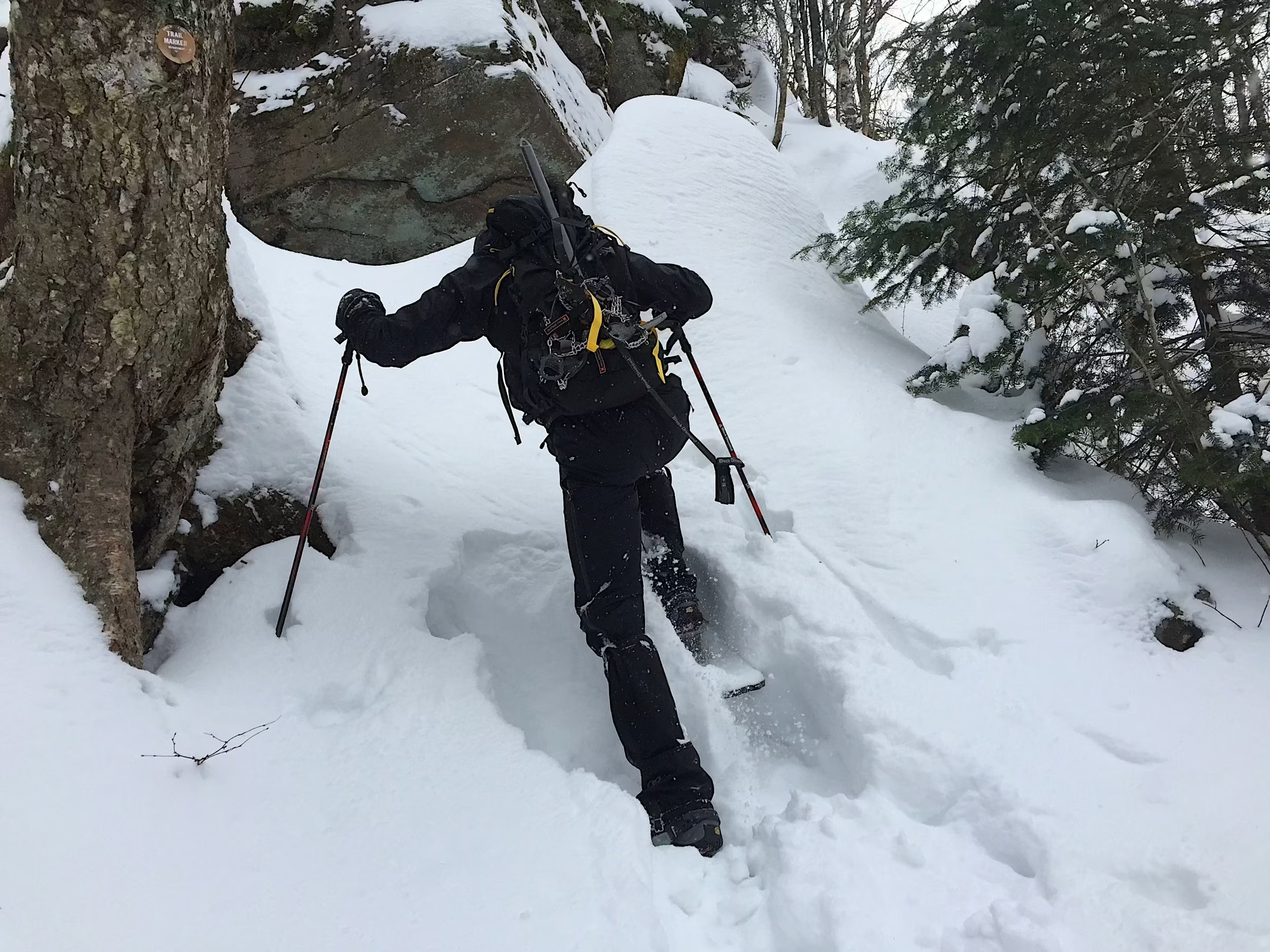
Nestled in southeastern New York, the Catskills offer breathtaking winter landscapes perfect for snowshoeing enthusiasts. With rolling hills, expansive forests, and serene snow-covered meadows, it’s no wonder the Catskills are a premier destination for winter adventurers. The region’s diverse terrain caters to both beginners and seasoned snowshoers, making it an excellent spot to explore the winter wonderland.
Brief Explanation of Why Proper Preparation is Essential
Proper preparation is key to a successful and enjoyable snowshoeing experience. Winter conditions can be unpredictable, and being well-prepared can make the difference between an exhilarating adventure and a difficult ordeal. Ensuring you have the right gear, clothing, and knowledge of the terrain will keep you safe and comfortable, allowing you to fully appreciate the beauty of the Catskills.
What to Expect from the Winter Landscape and Terrain
Winter in the Catskills transforms the region into a picturesque scene straight out of a painting. You’ll encounter a variety of terrains, including gentle slopes, dense forests, and steep ascents. Snow depth can vary, so be prepared for anything from packed trails to deep, powdery conditions. The winter weather can be harsh, with frigid temperatures and strong winds, so dressing in layers is essential. Expect to be rewarded with stunning views, serene silence, and crisp, fresh air as you explore this winter paradise.
Let’s dive into choosing the right snowshoes to ensure your Catskills adventure is a safe and enjoyable one.
Choosing the Right Snowshoes
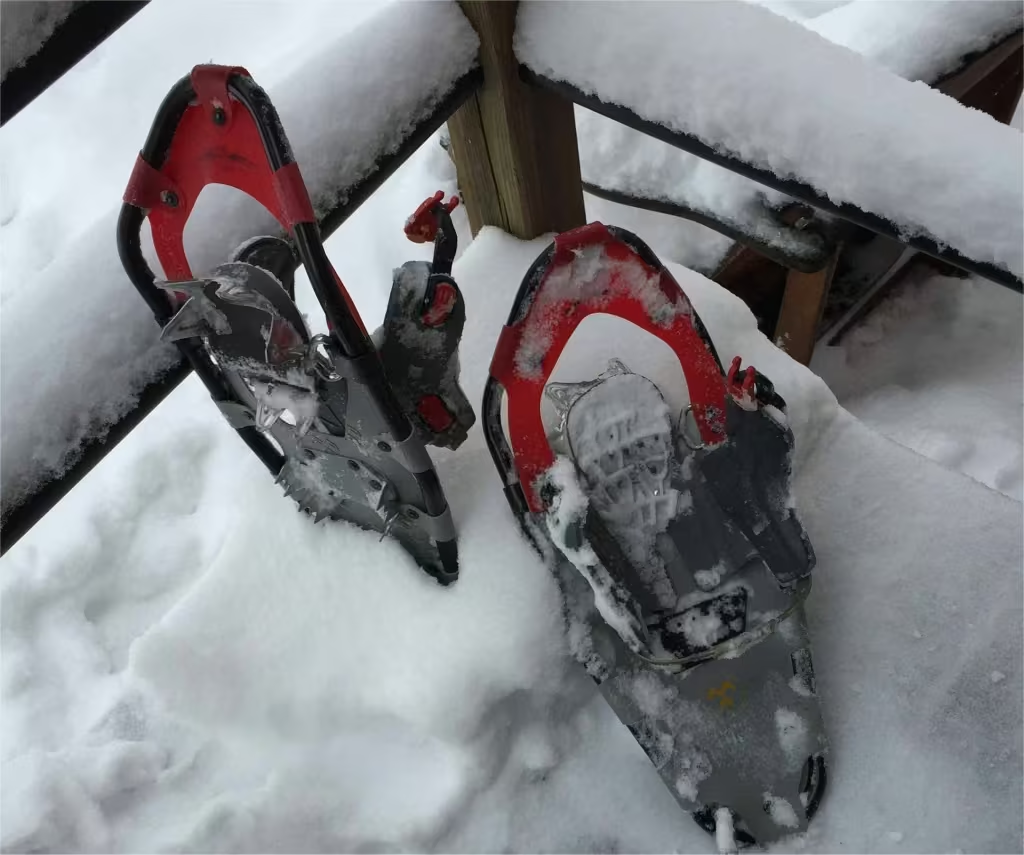
Choosing the right snowshoes for your adventure in the Catskills is essential for ensuring safety and enjoying the experience to the fullest. Here’s what you need to know about selecting the right pair.
Different Types of Snowshoes and Their Specific Uses
Snowshoes come in different types, each designed for specific uses and terrains. Here are the main categories:
- Recreational Snowshoes: Ideal for flat or rolling terrain, perfect for beginners and casual hikers.
- Backcountry Snowshoes: Built for steep, rugged terrain that you might encounter on more challenging trails.
- Racing Snowshoes: Lightweight and designed for snowshoe racing or running on packed trails.
- Mountaineering Snowshoes: Robust with aggressive traction, suitable for icy and steep slopes.
How to Select the Correct Size
The size of snowshoes you need depends on your weight, including the gear you’re carrying, and the snow conditions. Generally, larger snowshoes provide better flotation in deep, powdery snow, while smaller ones are more maneuverable on packed trails. Most brands provide size charts to help you choose the right fit.
Importance of Binding Systems
Bindings secure your boots to the snowshoes. For winter activities, it’s crucial to choose binding systems that are easy to adjust and release, even with thick winter gloves. Look for bindings with large buckles or ratchets that can be operated smoothly without exposing your hands to the cold.
When you have the right snowshoes tailored to your needs, you’re set for a safe and efficient adventure through the snowy landscapes of the Catskills.
Essential Clothing and Layering
Heading out to the Catskills for a snowshoeing adventure requires proper clothing to keep you warm, dry, and comfortable. Layering is the key to achieving this, and understanding the three-layer system can make or break your outdoor experience.
The Three-Layer System
Snowshoeing in the chilly Catskills means you’ll need to dress in layers to adapt to changing conditions and levels of exertion. The three-layer system includes:
- Base Layer: This is your first line of defense against the cold. Its primary function is to wick moisture away from your skin. Look for materials like merino wool or synthetic fibers such as polyester. These fabrics are excellent for moisture management and dry quickly, preventing you from getting cold and damp.
- Insulating Layer: The purpose of this layer is to trap body heat while allowing moisture to escape. Fleece or down are typical options, with synthetic insulations like Primaloft being a popular choice for their ability to insulate even when wet. Thickness will vary depending on your activity level and the weather conditions.
- Outer Shell: The final layer protects against wind, snow, and rain. A good outer shell is waterproof and breathable. Materials like Gore-Tex or eVent are highly recommended for their superior protection against the elements while allowing sweat to escape.
Fabric Recommendations
Base Layer
For the base layer, moisture-wicking fabrics are paramount. Here are some suggestions:
- Merino Wool: Known for its warmth, breathability, and natural odor resistance.
- Polyester: Offers excellent moisture-wicking abilities and is budget-friendly.
- Nylon: Durable and quick-drying, though less effective at odor control.
Insulating Layer
The insulating layer should provide warmth without bulk:
- Fleece: Lightweight, breathable, and quick-drying. Suitable for moderate conditions.
- Down: Extremely warm and compressible, ideal for very cold conditions. Keep in mind that down loses its insulating properties when wet.
- Synthetic Insulation: Such as Primaloft. It retains warmth even when damp and is more affordable than down.
Outer Shell
The outer shell needs to shield you from the elements:
- Gore-Tex: Offers top-of-the-line waterproof and breathable protection.
- eVent: Similar to Gore-Tex, eVent fabrics are breathable and waterproof, making them perfect for snow and rain.
- Polyurethane-Coated Nylon: A more budget-friendly option, though it may not breathe as well as premium fabrics.
Importance of Moisture-Wicking Materials
During winter activities, staying dry is essential to prevent hypothermia and maintain comfort. Moisture-wicking base layers pull sweat away from your body, which is crucial when you’re working hard on the trail. Ensure every layer you choose has breathable properties to help manage moisture and keep you dry.
With proper layering and fabric selection, you’ll be well-prepared to tackle the winter conditions of the Catskills. Now, let’s move on to ensuring you have the right safety gear for the journey.
Critical Safety Gear
Navigation Tools
When embarking on your snowshoeing adventure in the Catskills, having reliable navigation tools is non-negotiable. The winter landscape can be disorienting with its blanket of snow and obscured trails. Essential items include:
- Maps: Always carry a physical map of the area you are exploring. It provides an overview and backup if electronic devices fail.
- Compass: A sturdy compass is invaluable for orienting yourself, especially in dense woods or low visibility.
- GPS Devices: Handheld GPS units or smartphone apps can provide precise location data. Ensure your device is fully charged and consider carrying a spare battery pack.
Emergency Supplies
Being prepared for unexpected situations is crucial. Pack the following emergency supplies for safety:
- First Aid Kit: Include bandages, antiseptic wipes, pain relievers, and blister treatment. Make sure it’s compact but well-stocked.
- Emergency Shelter: A lightweight emergency bivy or thermal blanket can be life-saving if you get stranded.
- Fire Starting Tools: Waterproof matches, a lighter, and tinder help you start a fire to stay warm if needed.
Communication Devices
Ensuring you can call for help in case of emergency is vital, especially in remote areas. Recommended communication devices include:
- Cell Phone: Keep it in a waterproof case and ensure it’s fully charged. Know the limits of cell coverage in your area.
- Satellite Phone: For areas with no cell service, a satellite phone ensures you can contact emergency services.
- Two-Way Radio: Useful for communication within your group and with other hikers.
Carefully considering and packing these critical safety gear items enhances your safety and ensures peace of mind during your snowshoeing adventure in the Catskills.
Planning Your Route
Popular Catskills Trails Suitable for Different Skill Levels
The Catskills offer an array of trails catering to various skill levels, making it a versatile destination for snowshoers. For beginners, the Kaaterskill Falls Trail is a favorite. It’s a short 1.4-mile hike that offers stunning waterfall views, though it can be quite popular. For more experienced snowshoers, the Giant Ledge and Panther Mountain Trail, a 6.7-mile route, offers challenging inclines and breathtaking vistas. Advanced snowshoers might opt for the Slide Mountain Trail, the highest peak in the Catskills at 4,180 feet, with a round trip of approximately 5.2 miles.
How to Check Weather Conditions and Trail Reports
Before heading out, checking the latest weather conditions and trail reports is crucial. Websites like the National Weather Service and the New York-New Jersey Trail Conference offer current weather updates and trail conditions. These resources provide vital information, such as potential snowstorms, trail closures, or hazardous conditions, ensuring you are well-prepared for any eventuality.
Estimating Time and Distance Considering Winter Conditions
Estimating time and distance for your snowshoeing trip is more complex than in other seasons. Snow can significantly slow your pace; it’s reasonable to expect your speed to be about half of what you experience in summer conditions, especially in deep powder. Factors such as snow depth, ice, and elevation gain all play a role in how long a trail will take to complete. Always factor in daylight hours, as winter days are shorter. A general rule of thumb is to plan for at least double the time you’d ordinarily allocate for a hike on the same trail in summer.
Adequate route planning is your foundation for a safe and enjoyable snowshoeing trip. Success rests in selecting suitable trails, diligent weather checks, and realistic time estimates.
Pre-Trip Preparation Tips
Preparing for a snowshoeing adventure in the Catskills goes beyond choosing the right gear and planning your route. It’s essential to get your body and mind ready for the challenge ahead.
Physical Conditioning
Snowshoeing is a rewarding but demanding winter activity that requires good physical fitness. A well-rounded conditioning program should include:
- Cardio Workouts: Engage in activities like running, cycling, or brisk walking to build your stamina. Aim for at least 3-4 sessions per week.
- Strength Training: Focus on exercises that target your legs, core, and upper body. Squats, lunges, and planks are great choices.
- Flexibility: Incorporating stretching or yoga can help improve your flexibility and prevent injuries.
Breaking in Your Gear
New gear is exciting, but it can cause problems if not adequately tested before your adventure. Follow these steps:
- Wear It Around: Use your snowshoes, boots, and other gear during a few practice walks to identify and fix any fit issues.
- Adjust Your Equipment: Ensure that all straps, bindings, and adjustments are set correctly and comfortably.
Notifying Loved Ones
Safety should always be a top priority. Notify a responsible person about:
- Your Planned Route: Share your detailed route including start and end points.
- Expected Return Time: Estimate your return time, considering the slower pace due to snow.
- Emergency Contacts: Provide contact numbers for any emergency services in the area.
With these preparation tips, you’re well on your way to enjoying a memorable snowshoeing trip in the Catskills.



