
Introduction: The Evolving Conservation Landscape of Catskill Park
A Living Tapestry of Nature and History
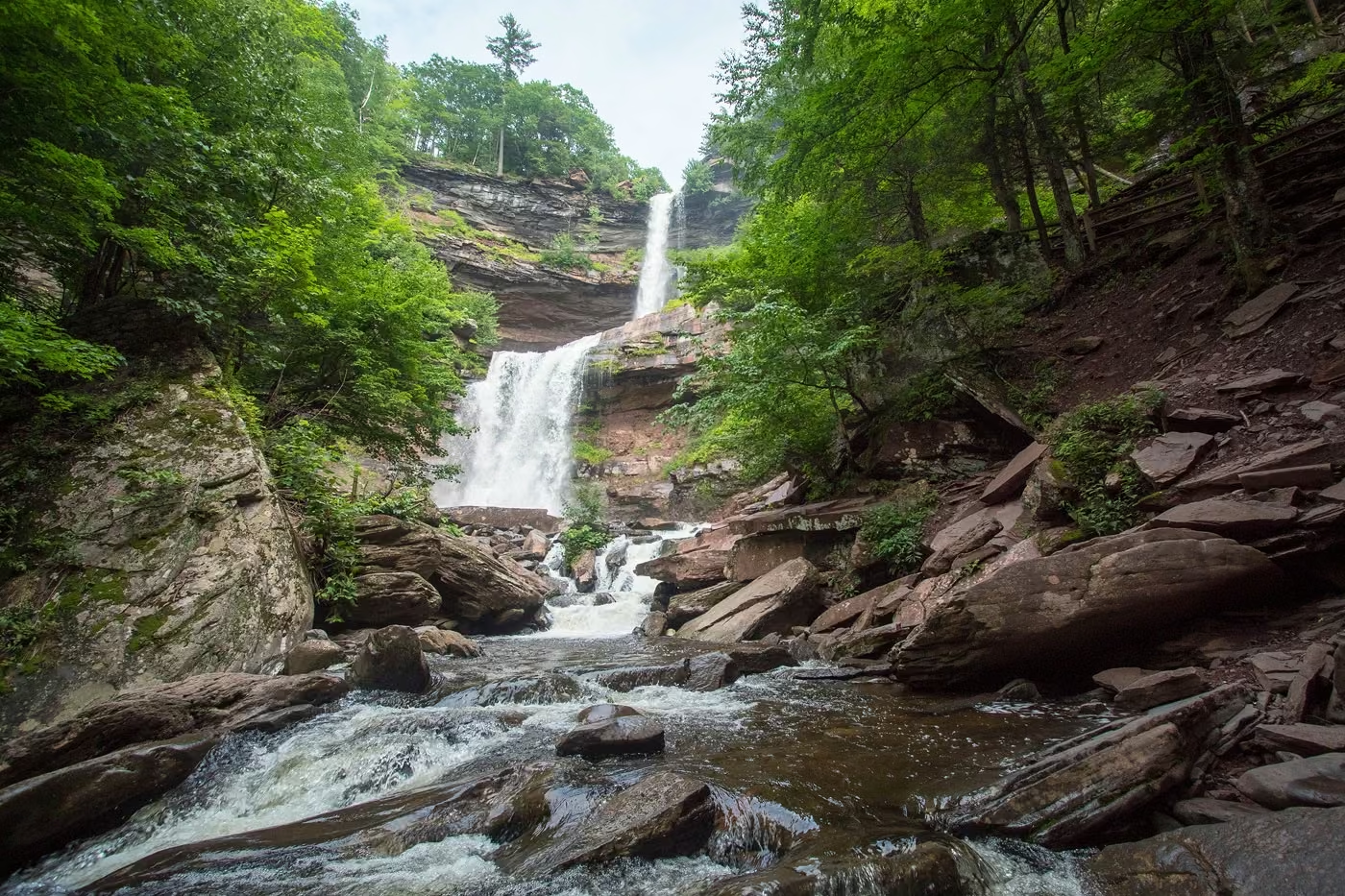
Nestled in southeastern New York, Catskill Park is a vibrant patchwork of forests, streams, and mountains that draws both outdoor enthusiasts and scientists. Its 700,000 acres are home to diverse wildlife, rare plants, and vital headwaters, making the park indispensable not just for recreation, but for ecological health far beyond its borders.
Roots of Conservation
Conservation in the Catskills has deep roots. Early policies focused on protecting forests from unchecked logging and development. The goal was simple: safeguard the land by limiting human impact. These preservationist measures kept the landscape intact and helped secure clean water for millions.
From Preservation to Science-Driven Stewardship
The past few decades have transformed how the park is managed. Conservation is no longer limited to setting land aside or keeping people out. Scientists now work alongside policymakers to gather data, monitor trends, and spot emerging threats. This shift toward research-based management means decisions are guided by solid evidence.
Complementing the Old with the New
Modern scientific tools build upon the park’s conservation legacy. While early efforts protected the land at a broad scale, today’s approach zooms in. Drones, satellite images, and real-time sensors let researchers track everything from water quality to wildlife movements. This integration ensures that old and new methods work together, making conservation smarter and more adaptive over time.
By embracing both tradition and research, Catskill Park continues to evolve as a leader in effective conservation.
Historical Context: The State Land Master Plan and Conservation Foundations
Setting the Stage for Protection
The roots of conservation in the Catskill Park go back over a century. New York State began acquiring land in the region in the late 1800s to guard against over-logging and protect water sources. Early action aimed to safeguard the forests, ensure clean rivers, and preserve scenic beauty. This approach set the foundation for future policies focused largely on keeping the land in its natural state.
The State Land Master Plan
The introduction of the State Land Master Plan was a turning point. This document laid out clear categories for public land use, distinguishing between “wilderness” areas, meant to remain mostly untouched, and “wild forest” zones, where some human impact was acceptable. The Plan’s original objectives were straightforward:
- Conserve natural resources
- Prevent overuse or degradation
- Provide opportunities for public recreation without harming the environment
Priorities included keeping the forest cover healthy, protecting drinking water sources, and supporting wildlife habitats.
Early Conservation Frameworks
At first, policy was all about preservation: limiting development, regulating hunting, and restricting timber harvesting. Early conservation leaders focused on strict protection, armed with basic tools like maps and written inventories. Monitoring was hands-on and relatively low-tech, but it effectively kept the park’s most threatened assets safe.
From Preservation to Science-Driven Stewardship
Over time, the mindset began to shift. Conservationists realized that nature wasn’t static. Forests changed, rivers shifted course, and wildlife populations ebbed and flowed. Protecting the park now called for more information—about species trends, forest health, and water quality. This led to a broader, evidence-focused management style. Gathering data and tracking changes became essential, moving the park away from a “lock it up” philosophy toward active, adaptive stewardship.
This evolution from simple land protection to informed decision-making set the stage for the growth of research and scientific inquiry across the Catskills.
The Rise of Ecological Research in the Catskills
Building a Research Tradition
After the early years of land acquisition and broad preservation, a new era emerged in the Catskills. Interest grew in understanding how the ecosystem actually worked, not just protecting it from harm. Research programs began taking root, moving conservation from general guidelines to deep, evidence-based inquiry. These first steps helped set up systems for long-term study and monitoring, which were largely missing from early efforts.
The Cary Institute’s Leadership
The Cary Institute played a major role in pushing the boundaries of ecological research in this region. Scientists from the Institute developed innovative methodologies to study the interconnectedness of land, water, and wildlife. Their research revealed that every part of the ecosystem—from streams to mountaintops—affects the health of the whole park. By collecting consistent and data-driven observations, they helped shift management priorities toward maintaining true ecosystem health.
Discovering Hidden Connections
Intensive scientific inquiry led to some surprising discoveries. Researchers documented links between soil health, forest composition, and the purity of regional water supplies. Studies also illuminated the roles of overlooked plants and animals and the subtle ways in which factors like invasive species or changes in precipitation could unsettle these relationships. These insights provided a new foundation for informed decisions, ensuring that conservation would adapt to real, measurable changes in the park’s environment.
This focus on research paved the way for even more collaboration across organizations and introduced a new age of teamwork for the stewardship of the Catskills.
Current Research Initiatives and Leading Organizations
Major Research Organizations in the Catskills
Today, the Catskill Park is a hub for environmental research, with a range of organizations leading the way. One standout is the Cary Institute, which is recognized for its commitment to ecological science. It brings together experienced scientists focused on the park’s forest systems, water resources, and wildlife dynamics. Beyond the Cary Institute, state agencies and local conservation groups play crucial roles, expanding the breadth of active research within the region.
Diverse Research Focus Areas
Projects in the Catskills address a wide span of subjects. Teams are dedicated to watershed health, ensuring clean drinking water not only for local communities but also for New York City downstream. Other groups focus on monitoring wildlife populations—tracking trends in birds, mammals, amphibians, and insects to detect early warning signs of ecological stress. Additional efforts document plant diversity and forest structure, exploring how these elements interact with soil health and climate shifts.
Collaboration Fuels Progress
No single organization works alone in the Catskills. Collaborative models unite academic researchers, government land managers, and non-profit partners. This integrated approach allows for the sharing of expertise, resources, and data. As a result, studies are more robust and management strategies more precise. Such partnerships champion science-based solutions for adaptive stewardship of this iconic landscape.
These dynamic efforts set the stage for a deeper look at the advanced technologies making such research possible.
Environmental Monitoring Technologies and Methodologies
A New Era of Environmental Sensing
Monitoring the Catskill Park’s environment has evolved from field notebooks and regular hikes to a blend of boots-on-the-ground and high-tech intelligence. While early scientists relied on traditional observation, today’s conservation teams deploy an array of digital tools that help them read subtle changes across the entire park.
From Manual Surveys to Modern Tools
Not so long ago, most environmental data was gathered by hands-on sampling and visual surveys. Researchers would trek into the forests to count plants, test water, and track wildlife. These efforts laid the foundation for understanding baseline ecosystem health but were limited in scope and frequency.
Today, real-time sensors, remote cameras, drones, and satellite imagery are common in the Catskills. Drones capture aerial views of forest canopies and riverbanks, revealing patterns impossible to see from the ground. Stream gauges and water sensors now send live updates, helping teams catch water quality shifts quickly. Even wildlife cameras record animal movement day and night, offering new insight into elusive species.
What Gets Measured Across the Park
Key environmental parameters are measured all year round. These include:
- Water quality factors like temperature, pH, dissolved oxygen, and turbidity in streams and reservoirs
- Forest health indicators—tree growth, pest presence, and signs of disease
- Wildlife population trends including species counts and migration patterns
- Soil moisture and nutrient content to gauge ecological balance
- Air quality and weather patterns for early signs of change
This wealth of data means changes—big or small—do not go unnoticed.
Bringing It All Together: Data Integration
Modern conservation no longer leaves information in silos. Advanced data systems integrate thousands of inputs from sensors and specialists. Teams now use dashboards and mapping software to track real-time trends at a landscape scale.
When field data and remote sensor readings are merged, patterns emerge. For example, scientists can link forest change with water chemistry shifts or see how climate anomalies affect wildlife. This connected, comprehensive view allows for faster responses and more informed decisions—whether it’s closing a trail during sensitive wildlife breeding or tuning up water treatment processes.
By modernizing how the Catskill ecosystem is monitored, researchers and managers are better equipped to safeguard its future.
Watershed Protection: Science Supporting New York City’s Water Supply
The Critical Link Between Ecosystems and Clean Water
The Catskill Park is essential to New York City’s drinking water. Streams and reservoirs here deliver some of the highest-quality unfiltered water in the country. This connection means that protecting forest and stream health is not just about conservation—it’s also about public health. Unspoiled forests act as natural filters, absorbing contaminants and managing water runoff.
Monitoring Programs for a Secure Supply
Decades ago, teams relied on manual surveys and water sampling to track quality. Today, modern monitoring networks use real-time sensors and satellites to keep tabs on water chemistry, flow rates, and temperature fluctuations. These systems notice problems—like nutrient spikes or sediment from storms—right away, allowing quick action to protect reservoirs downstream.
Research Drives Watershed Management
Continuous research has shed light on how small changes across the landscape can ripple downstream. Studies looking at forest composition, soil health, and the impacts of infrastructure improvements have helped managers fine-tune their strategies for maintaining the entire watershed. These findings have shaped policies that protect sensitive stream corridors, improve road designs to reduce erosion, and restrict certain land uses in critical areas.
Data to Guide Policy and Infrastructure
Science-based insights have influenced major decisions about reservoir management and land acquisition. For example, data showing the importance of forest buffers led to new regulations and incentives for private landowners to conserve trees along waterways. As a result, healthy forests continue to naturally filter large volumes of water. This approach has prevented the need for costly filtration plants, saving billions for the city while protecting the forest’s integrity.
Science and stewardship are closely linked in the Catskills, ensuring that water protection and natural conservation work hand in hand. The park stands as a model for how research-backed management can support both people and the environment.
Biodiversity Conservation Through Research
Monitoring and Documenting Catskill Biodiversity
Researchers in the Catskill Park are working hard to keep tabs on the region’s rich plant and animal life. Continuous inventory programs help document the hundreds of species that call this vast landscape home. By keeping detailed records, scientists can spot population shifts and respond quickly if certain plants or animals start to decline. Small and large-scale monitoring, like motion-activated cameras and field surveys, are all part of this careful watch.
Studying Threatened and Endangered Species
Within the park, special attention is given to rare and at-risk species. Scientists conduct targeted studies on these delicate members of the ecosystem to learn about their habitats, behavior, and needs. When threatened or endangered species are found—whether rare forest plants or elusive animals—researchers study how best to protect them. This work often guides new projects, like habitat restoration or controlling invasive species that put native wildlife at risk.
From Scientific Discoveries to Effective Stewardship
Findings from biodiversity research have shaped how the Catskill Park is managed. When studies reveal key habitats or migration corridors, conservation efforts focus on protecting and restoring those places. New data can also shed light on the ripple effects of outside pressures, such as pollution or changing recreational patterns. As a result, park managers are able to make decisions that both safeguard biodiversity and keep the landscape healthy for generations to come.
With robust research efforts, the Catskills continue to adjust and respond to new information, ensuring ongoing protection for its unique and vibrant ecosystem.
Climate Change Research and Adaptation Strategies
Monitoring Shifting Conditions Across the Park
Networks of climate sensors are now scattered throughout the Catskill Park. These stations track air temperature, precipitation, snowpack, and soil moisture daily, painting a real-time picture of shifting conditions. Historical trends reveal warmer winters, increased rainfall, and changing snowfall patterns. These measurements are crucial for understanding seasonal shifts, such as earlier budding in trees or altered stream flow.
Forests, Water, and Wildlife on the Frontlines
Researchers are delving into how these climate changes ripple through the park’s ecosystems. Warmer temperatures have stressed iconic tree species, like sugar maple and hemlock, making them more vulnerable to pests and disease. Scientists also study shifting habitats for birds, mammals, and amphibians. Changing weather patterns affect stream temperatures and flows, putting pressure on fish and aquatic life.
Water resource research tracks snowmelt, stream chemistry, and groundwater recharge. Earlier thaws and more intense storms impact how water moves through the landscape, which can affect both the ecosystem and downstream communities.
Science-Guided Adaptation for a Resilient Future
All these data points help shape the park’s response to climate change. Forest managers use research to select tree species more likely to thrive in future climates. Conservationists plan restoration efforts to create habitat corridors, helping wildlife relocate as temperatures rise. Water managers develop flexible strategies to cope with unpredictable flows and extreme weather.
By closely monitoring these changes, scientists and land managers work together to keep the Catskills vibrant and resilient in the face of an uncertain future.
Next, we’ll examine how human activities are balanced with the park’s need for ongoing protection.
Balancing Human Use and Environmental Protection
Understanding the Impact of Recreation
The Catskill Park draws thousands each year with its scenic trails, clear streams, and wild vistas. With visitors come challenges—trails widen, soil compacts, and sensitive habitats feel the growing pressure. To tackle these effects, researchers study how activities like hiking, camping, and fishing impact the landscape. Surveys, counters, and ecological monitoring help identify which areas experience the most strain and how damage spreads over time.
Visitor Use Studies and Trail Management
Data from visitor use studies sheds light on peak travel seasons, high-traffic zones, and crowd behavior. By tracking patterns, managers can redistribute use, close fragile areas seasonally, and improve signage. Trail redesigns often follow these insights. Switchbacks prevent erosion, boardwalks protect wetlands, and clearly marked routes keep people on durable surfaces. These strategies directly stem from scientific understanding of both human behavior and ecosystem response.
Science-Driven Solutions for a Balanced Future
Conflicts between recreation and conservation are inevitable, but science helps bridge the gap. Ongoing studies provide the evidence needed to mediate disputes and guide smart decisions. Tools like carrying capacity analysis ensure visitor numbers match what the land can handle long term. As the park welcomes outdoor enthusiasts, a research-focused approach ensures both people and nature can thrive in harmony.
Researchers continue to work alongside communities and local organizations, gathering critical information for ongoing stewardship.
Citizen Science and Community Engagement
The Expanding Role of Community Science
The Catskill Park has seen a remarkable rise in citizen science. Locals and visitors now take an active role in environmental monitoring. From counting bird species to tracking stream conditions, everyday people contribute valuable data on ecosystem health. This direct involvement connects more people to the landscape, deepening their appreciation for the park’s fragile balance.
Successful Community-Based Initiatives
Several community-driven programs have made impressive impacts. Volunteers monitor water quality in streams, providing early warnings of pollution or habitat change. Youth groups collect data on pollinators, documenting their seasonal patterns—information vital for park researchers. Local schools engage in forest plot studies, tracking tree growth and health over time. These efforts create a hands-on learning experience and help fill gaps in official monitoring programs.
Strengthening Science and Stewardship
Public participation does more than just gather data. Citizen science fosters stronger community ties and builds a broad coalition for conservation. When people see the results of their own efforts—like improved trails, thriving wildlife, or cleaner streams—they become invested in ongoing stewardship. This sense of shared ownership has strengthened support for park conservation goals and made science a cooperative, inclusive process.
As we continue to adapt science-based management practices, the collective energy of citizen scientists ensures the Catskills remain resilient and vibrant.
From Research to Policy: Science-Informed Management
Turning Data Into Decisions
Research in the Catskills isn’t just for the sake of study—it’s the backbone of how the park is managed today. When scientists track changes in water quality or shifts in bird populations, that information goes straight to park managers. As a result, decisions about trail closures, habitat restoration, or even building new infrastructure are backed by solid evidence rather than guesswork.
From Findings to Action
A good example is how research on stream buffer zones has led to stricter regulations protecting waterways from runoff and erosion. Continuous data on invasive species has helped managers act quickly when threats arise, such as adjusting removal techniques or controlling access to sensitive habitats. These science-driven strategies often replace one-size-fits-all rules, allowing management to adapt more quickly to real needs on the ground.
Policy Integration and Adaptive Approaches
Scientific reports are regularly used to update policies so they line up with the latest findings on climate impacts, species at risk, and recreational demand. Managers now operate with floating plans that are adjusted based on new data, known as “adaptive management.” This means they can react quickly if monitoring shows new problems or unexpected trends emerging in the ecosystem.
By grounding every big move in real, current data, Catskill Park stands as a model for combining traditional values with modern science to steward the land. The spirit of partnership and evidence-based problem solving continues to guide both daily operations and long-term planning.
Future Directions: Emerging Research Priorities
Addressing Knowledge Gaps
As the Catskill Park continues to change, researchers see clear gaps in our understanding of its ecosystems. Some remote forest tracts lack in-depth biodiversity inventories. Long-term data on how new invasive species affect native wildlife is still limited. We also need more continuous monitoring of soil health and stream chemistry to detect subtle shifts that could signal future issues.
Embracing Advanced Technologies
To bridge these gaps, new technologies are being introduced throughout the park. Drones and satellite imagery help map changes in tree cover and wetlands quickly. Automated sensors now record air and water quality data around the clock. Environmental DNA (eDNA) sampling makes it possible to detect elusive species through water and soil samples, speeding up biodiversity assessments.
Evolving Research Priorities
Research efforts now go beyond tracking ecosystem health. They are looking at how climate change might introduce new pests or shift habitat ranges. Scientists are exploring how forest regeneration can be supported after storm events or disease outbreaks. Community-driven projects are on the rise, letting more people participate in water monitoring, invasive species reporting, and wildlife surveys.
As Catskill Park managers look ahead, staying open to new tools and partnerships will be key to protecting this landscape for generations to come.
Conclusion: The Continuing Evolution of Catskill Conservation
The Power of Ecological Research
Decades of ecological research have changed how we care for the Catskills. Thanks to ongoing studies, scientists now better understand how forests, streams, and wildlife interact. These insights reveal connections that often go unnoticed and help explain the success—or struggles—of conservation strategies.
Collaboration Strengthens Conservation
The partnership between researchers, local communities, and park managers has fostered a shared sense of stewardship. Citizen scientists, educators, and government teams all play key roles. Their combined efforts mix real-world experience with scientific analysis, leading to smarter policies and on-the-ground successes.
Charting a Path Forward
With each new discovery, Catskill Park’s management grows more adaptive. New technologies allow faster response to threats. Data-driven methods support both biodiversity and clean water. Moving forward, the spirit of inquiry and openness to innovation ensure this treasured landscape is protected and enjoyed for generations to come.



