

Introduction: The Critical Nature of Complaint Handling in Hospitality
The Direct Impact on Guest Satisfaction and Loyalty
Every guest interaction counts, but how a hospitality team responds when something goes wrong really sets the tone. Guests who feel heard and respected after lodging a complaint are far more likely to remain satisfied—and even loyal—despite a hiccup. In fact, a well-resolved complaint can transform a guest’s experience, often leaving them with a stronger connection to your brand than if nothing had gone wrong. This highlights how complaint handling is not just about fixing issues, but also about reinforcing trust and reliability.
Setting Top Establishments Apart
Hotels, resorts, and restaurants that excel at complaint resolution consistently outshine their competitors. These leaders use complaints as opportunities to shine, responding promptly and personally, which shows genuine care. Guests quickly notice this difference. It’s often what pushes them to choose one property over another on future visits. The outcome? Top establishments build reputations for caring service—something positive that travels fast through word of mouth and online reviews.
Complaint Resolution and Guest Retention: The Data
Numbers tell a compelling story. Studies frequently show that guests whose complaints are handled swiftly and effectively display higher rates of return and loyalty. They’re also more likely to recommend your property to friends and family. A guest who leaves with their concern genuinely addressed is much more inclined to return than one who perceives indifference or delays.
The ability to handle complaints gracefully isn’t just a “nice-to-have.” It’s a powerful driver for long-term business success, directly impacting everything from daily guest satisfaction to future brand growth. This sets the stage for exploring the interpersonal skills that form the backbone of excellent complaint resolution.
Essential Interpersonal Skills for Complaint Resolution
Active Listening: Making Guests Feel Heard
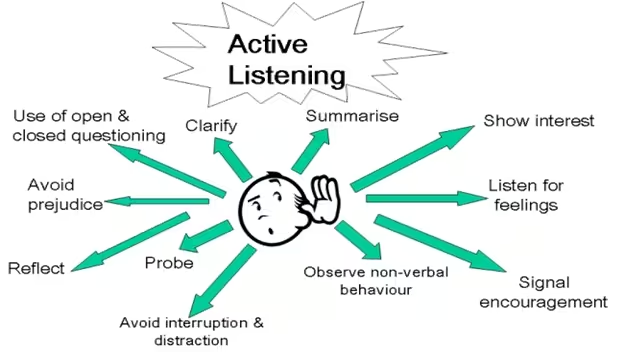
Active listening goes beyond simply hearing words; it’s about showing that you truly value a guest’s feelings. Staff should focus on the speaker, use open body language, and avoid interrupting. Summarizing what the guest has shared, and asking clarifying questions, lets them know you are committed to understanding their perspective. This approach builds trust and signals that their concerns matter.
Emotional Intelligence and Empathy
Responding to complaints often involves diffusing strong emotions. Using empathy, staff can acknowledge a guest’s frustration or disappointment. Phrases like “I understand how this must feel” can de-escalate tension. Reading non-verbal cues and adjusting tone ensures communication stays positive and respectful, even in challenging situations.
Communication with Professionalism and Care
Consistent, clear communication is crucial. Team members should speak calmly, avoid defensive language, and offer sincere assurances to address concerns. Thoughtful word choice shows respect, while maintaining professional boundaries. Letting guests know what steps will be taken and keeping them informed builds confidence in your service.
Developing these interpersonal skills enhances every guest interaction, setting the stage for effective problem-solving.
Technical Competencies: Industry and Product Knowledge
Why Deep Product Knowledge Matters
Knowing your property, offerings, and services inside and out makes complaint resolution much faster. When a guest has an issue, detailed knowledge helps you troubleshoot on the spot—be it a room feature, Wi-Fi setup, or even breakfast timings. Speedy, confident answers reassure guests and show that the team is competent and prepared.
Understanding Industry Standards and Policies
Every hospitality pro should understand basic industry standards and company policies. This helps you navigate complaints by clearly explaining what can be done and why. Policies set fair boundaries and industry standards make sure the solutions you offer meet (or exceed) what’s expected—keeping the business legally safe and the guest experience consistent.
Staying Current With Trends and Expectations
Hospitality never stands still. New technologies, trends, and guest expectations pop up all the time. Stay sharp by reading trade publications, joining webinars, and taking part in industry training. The more you know about what guests want—and what your competitors offer—the easier it is to turn a complaint into a pleasant surprise for your guests.
To truly resolve complaints, combining technical know-how with people skills is essential. This solid foundation ensures smoother operations and keeps guests coming back.
Attention to Detail: The Foundation of Effective Resolution
Comprehensive Documentation for Effective Complaint Tracking
Effective complaint resolution begins with diligent documentation. Every guest concern, however minor it may seem, should be accurately recorded from the very first report. This meticulous approach ensures no crucial detail slips through the cracks. Documenting the timeline, the people involved, and the specific issues provides a clear record and streamlines follow-up. This level of detail also helps create accountability, so nothing gets lost if multiple team members are involved.
Digging Deeper: Uncovering Root Causes
Surface-level fixes rarely prevent future complaints. By looking beyond what the guest says at first, it’s possible to identify underlying issues. For example, frequent complaints about check-in speed might reveal a broken system or an understaffed front desk, not just a one-off delay. Addressing these root causes prevents the same problems from recurring and improves the overall guest experience.
Proactive Problem Anticipation
Attention to detail also means noticing warning signs before they turn into full-fledged guest complaints. Housekeeping spots a leaky faucet? Address it before a guest finds it. By staying one step ahead, teams can prevent negative experiences entirely. Being proactive not only reduces complaints but also shows guests that the staff is thorough and genuinely cares about their experience.
Refining these skills supports a smooth and effective response process, setting the stage for how teams handle complaints as they unfold.
The Art of Timely Resolution
Setting the Right Timeframes
Timeliness matters just as much as accuracy when handling guest complaints. Not every issue requires the same urgency, so the first step is to assess the complaint’s nature. Simple concerns like a missing towel can be fixed within minutes, while more complex ones, such as billing discrepancies, might take hours or longer. Setting clear, realistic timeframes and communicating them upfront calms guests and manages their expectations. When guests know what to expect, it reduces their anxiety and builds trust.
Prioritizing What Matters Most
Deciding which complaints to tackle first often comes down to impact. Safety, comfort, and health-related issues should be addressed immediately. For example, a broken air conditioner in a hotel room on a hot day jumps the line. Other concerns, while still important, can be scheduled based on staff availability and operational workflow. By making these distinctions, teams stay focused, avoid overwhelm, and ensure the most crucial issues never slip through the cracks.
Perceptions Shaped by Speed
Prompt resolution can turn a potentially disappointing guest experience into a positive memory. Guests gauge the quality of a hospitality brand by how swiftly their problems are solved. Quick and effective action shows guests they are valued. On the other hand, delays—even on small issues—can damage a brand’s reputation and push guests to competitors. By resolving complaints quickly, staff strengthen guest loyalty and enhance the property’s standing in a crowded market.
Consistent, responsive handling sets the stage for the next crucial element in building lasting guest relationships.
Follow-Up Procedures That Build Loyalty
Creating Consistent Follow-Up Protocols
A guest’s impression of your hospitality brand often hinges on what happens after their complaint is resolved. Effective follow-up means reaching out to guests after the issue is addressed, confirming satisfaction, and verifying that nothing was overlooked. Set reminders or use digital tracking systems for timely check-ins, whether by email, phone, or in person. These small touches reassure guests that their concerns matter and weren’t forgotten.
Personal Touches That Turn Around Perspectives
Moving from resolution to advocacy starts with personalization. Use the guest’s name, recall specific details of their issue, and tailor gestures of goodwill—like an upgrade or a heartfelt note—to their experience. This level of care helps guests feel truly valued, often prompting them to share positive stories about their stay or even return, transforming a once-unsatisfied customer into a brand promoter.
Gauging Satisfaction and Learning from Every Case
Follow-up isn’t complete without feedback. Ask guests for candid responses about both how their complaint was handled and what could improve future experiences. Short surveys, direct calls, or even a friendly check at checkout can uncover valuable insights. Tracking these responses reveals patterns, helps spot potential service gaps, and inspires ongoing refinements in guest care—ensuring your team never stops improving.
With loyal guests at the heart of every thriving hospitality business, leveraging feedback and refining interactions keeps your brand moving forward.
Humility and Ownership in Complaint Handling
The Power of a Genuine Apology
A heartfelt apology does more than just acknowledge a mistake—it shows guests that their concerns matter. When team members offer sincere apologies, guests feel heard and respected. A genuine “I’m sorry” can break down barriers, quickly easing tension and setting the stage for a better experience. Avoid canned responses; personalize your apologies to show empathy and understanding.
Taking Personal Responsibility Versus Deflecting Blame
Owning a problem is far more effective than pointing fingers. When staff take responsibility for resolving complaints—even those caused by factors outside their control—trust is built. Deflecting blame or making excuses can frustrate guests and harm your brand reputation. Ownership means being proactive: offer solutions, keep the guest updated, and stay involved until the issue is fully addressed.
Real-World Examples of Turning Negatives Into Positives
Hospitality is full of stories where humble, decisive action transformed unhappy guests into loyal advocates. For example, when a guest receives an incorrect room assignment, a proactive manager who apologizes and upgrades the stay can turn disappointment into delight. These moments of ownership stand out in guest memories and foster loyalty.
While humility and ownership lead to powerful guest recoveries, balancing complaint handling with other duties is also essential.
Time Management for Efficient Complaint Resolution
Balancing Complaints with Daily Operations
Handling guest complaints while juggling daily responsibilities is part of any hospitality professional’s reality. A smart way to tackle this is by designating time for complaint review and response in your daily workflow. By setting aside fixed intervals to check and address issues, frontline teams can provide focused attention without neglecting other operational duties. Prioritizing complaints based on urgency and guest impact helps ensure crucial matters never fall through the cracks.
Delegating for Complex Complaints
Some guest issues need more than an individual touch. When complaints span multiple departments, a clear delegation process is critical. Assign a lead handler—often a supervisor—who coordinates with the relevant teams, keeps the guest informed, and ensures accountability at each step. Using role-specific protocols can help avoid confusion and delay, letting specialists manage aspects they’re best suited for, such as housekeeping, food and beverage, or front desk concerns.
Streamlining the Process with Tools and Systems
Leveraging technology streamlines the entire complaint process. Property management systems can track open issues, assign tasks, and monitor response times. Centralized communication tools, like internal chat apps or ticketing systems, foster cross-department collaboration and prevent duplicate or missed responses. Reminders and status updates ensure everyone stays on track, maximizes efficiency, and delivers a seamless guest experience.
A well-managed complaint workflow not only speeds resolution but also builds team confidence and guest trust, setting the stage for transforming challenges into valuable service improvements.
Turning Complaints into Opportunities
Leveraging Feedback for Operational Improvements
Every guest complaint is more than just a problem to fix—it’s a chance to refine your operation. Complaints shine a light on process gaps, unclear communication, or pain points in the guest journey. By carefully collecting this feedback and analyzing trends, you can pinpoint areas for improvement. Making targeted adjustments, like updating procedures or retraining staff, turns one unhappy guest’s experience into company-wide progress.
Transforming Complainants into Brand Advocates
How you handle complaints has a big impact on brand loyalty. Addressing issues quickly, listening sincerely, and fixing problems goes a long way. Adding a personal touch—like offering a small gesture or following up with a thank-you—shows guests they matter. When guests see their feedback valued and acted on, they’re more likely to return and even recommend your business to others.
Success Stories from Hospitality Businesses
Many hospitality brands have flourished by embracing complaints as growth tools. For example, some properties used repeated feedback about slow check-ins to launch express check-in kiosks, leading to improved guest satisfaction. Others, after hearing concerns about room cleanliness, invested in better training and new cleaning checklists, resulting in higher review scores and more repeat bookings.
Learning from complaints offers a unique opportunity to improve, connect with guests, and build a reputation for truly caring service. This approach lays the groundwork for strong teamwork and a more unified approach to resolving future challenges.
Team Dynamics in Complaint Resolution
Building a Collaborative Culture
Turning complaints into meaningful improvements starts with fostering a collective mindset. When everyone on the team sees complaint resolution as their responsibility, it sparks better communication and action. This culture means every staff member—from front desk to housekeeping—stays alert to guest feedback and feels empowered to address concerns right away.
Seamless Interdepartmental Communication
Solving complaints often requires more than one department’s input. Efficient communication is key. Quick updates between teams ensure no detail is overlooked, and that issues are handled holistically. Whether using shared notes, scheduled huddles, or digital communication tools, clarity avoids misunderstandings and duplication of effort.
Organization-Wide Training Approaches
Consistent, regular training helps equip all staff with the skills to respond gracefully. Interactive workshops, on-the-job coaching, and real-life scenario practice allow everyone to develop confidence in handling difficult moments. Training that reinforces shared values and procedures makes sure every complaint is handled with consistency and care.
Empowered teams, seamless collaboration, and ongoing learning elevate the guest experience and lay a strong foundation for long-term trust.
Measuring Success: KPIs for Complaint Management
Tracking the Right Performance Indicators
To truly understand the effectiveness of your complaint resolution process, you need clear and actionable metrics. Key performance indicators (KPIs) can reveal how well your team addresses guest issues, pinpoints bottlenecks, and highlights where you excel or need improvement. Common KPIs include average resolution time, first-contact resolution rate, complaint recurrence rate, and customer satisfaction scores after resolution. Monitoring these helps you spot patterns and ensures that no complaint slips through the cracks.
Linking Metrics to Business Outcomes
The numbers tell an important story. Efficient complaint resolution boosts guest loyalty, improves online ratings, and drives repeat business. A higher first-contact resolution rate means guests are quickly satisfied, reducing negative word-of-mouth. Shorter resolution times show responsiveness, a trait highly valued in hospitality. Ultimately, these KPIs connect directly to revenue—guests who feel valued are far more likely to return and recommend your establishment.
Using Data for Continuous Improvement
Simply collecting data isn’t enough. Review your KPIs regularly to identify areas where you can do better. Are certain types of complaints taking longer to resolve? Is satisfaction dipping in a particular area? Use these insights to adapt training, adjust workflows, or refine policies. Treat every data point as an opportunity to strengthen your complaint management approach and deliver outstanding guest experiences.
Positive change starts with seeing clearly where you stand—and using that knowledge to move forward.
Conclusion: The Competitive Advantage of Excellence in Complaint Handling
Sustaining Market Leadership through Effective Complaint Resolution
In today’s competitive hospitality landscape, guests remember how issues are handled more than the issues themselves. Mastering efficient complaint resolution gives organizations a real edge. Guests who experience prompt, caring problem-solving are more likely to return and recommend your business to others. Over time, this builds a foundation of loyalty that no marketing campaign can replicate.
Long-Term Effects of Investing in Skills
Investing in complaint resolution skills pays off well beyond the immediate guest encounter. Well-trained staff not only solve the problem at hand but also prevent future complaints by recognizing underlying issues. This continual improvement tightens operations and refines service delivery, turning satisfied guests into long-term supporters. As the team grows in skill, positive reviews and lasting relationships naturally follow.
Actionable Steps for Hospitality Professionals
Hospitality professionals can boost their complaint resolution capabilities by:
- Regularly training teams in empathy, active listening, and industry updates
- Creating clear processes for documenting and following up on complaints
- Encouraging a culture where accountability and sincerity are valued
- Using guest feedback as a tool for ongoing improvement
Consistently applying these practices strengthens your reputation, builds trust, and positions your business as the go-to choice when travelers search for exceptional service.



