
Understanding Ice Fishing Conditions in Hancock, NY
Overview of Hancock’s Unique Geographical Location and Its Impact on Ice Fishing Conditions
Nestled in the heart of the Catskill Mountains, Hancock, NY is a hidden gem for ice fishing enthusiasts. The area’s unique geographical location, with its abundance of freshwater lakes and ponds, offers a prime environment for ice fishing. The natural topography, coupled with the cold climate, results in ideal ice formation conditions. However, the terrain also means that weather conditions can be unpredictable, making it crucial to understand the local environment before heading out on the ice.
Typical Ice Thickness and Safety Considerations Throughout the Winter Season
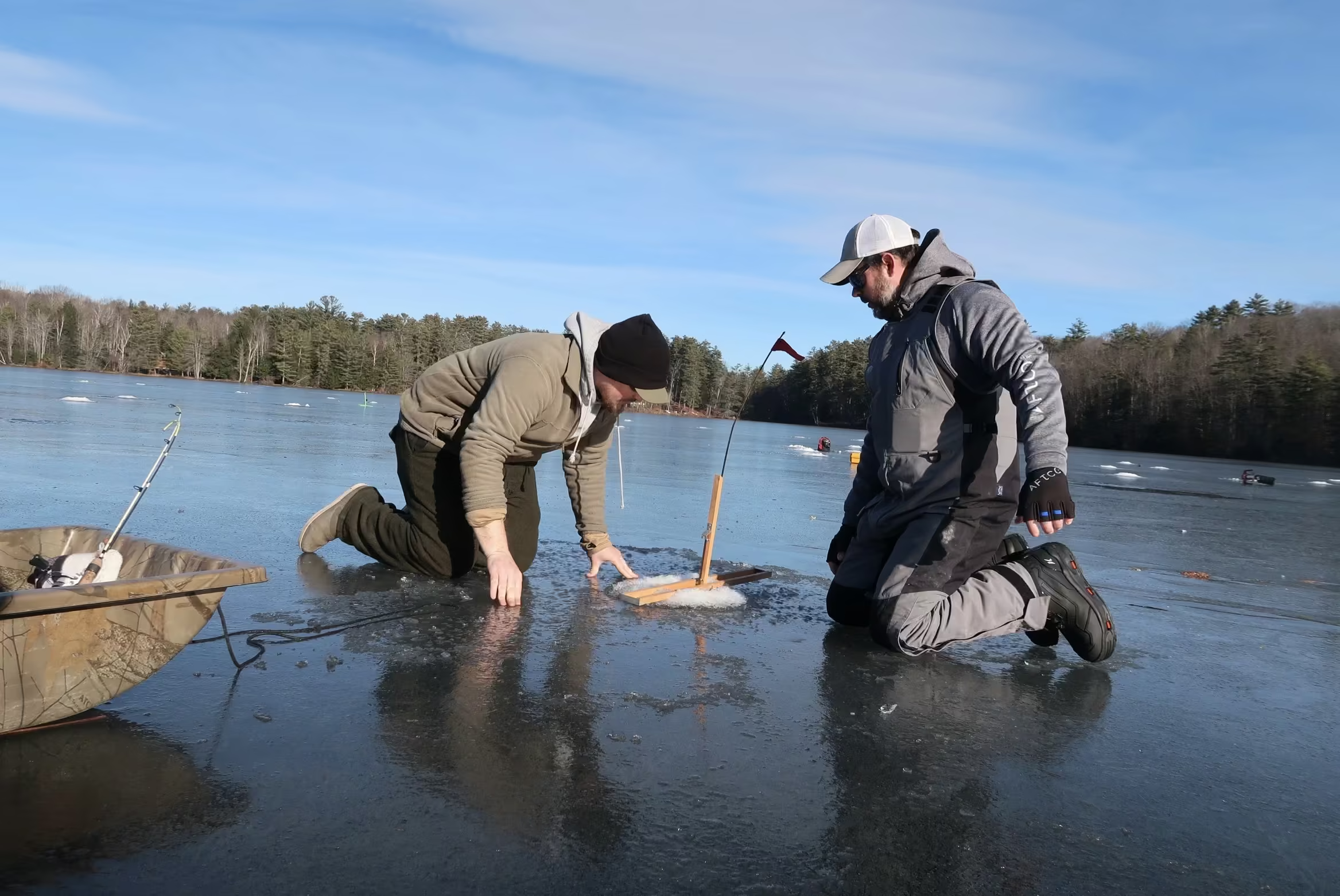
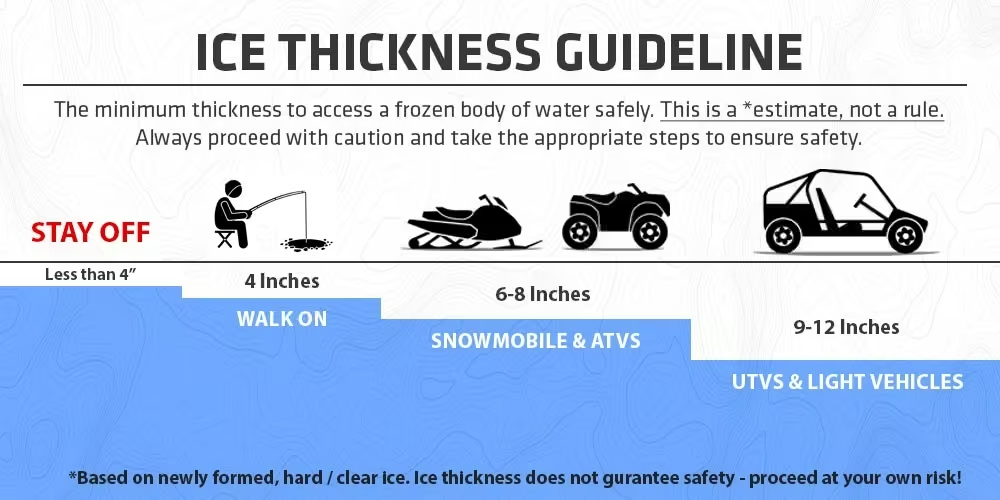
Ice thickness in Hancock can vary significantly throughout the winter season. Typically, safe ice thickness for walking and ice fishing is around 4 inches. However, it’s always recommended to check the ice conditions regularly. Early winter and late winter can pose risks with thinner ice, while mid-season usually sees the thickest ice layers. Remember, no ice is entirely safe, and it’s important to carry safety gear such as ice picks, a throw rope, and a flotation device.
Local Regulations and Licensing Requirements for Ice Fishing in Hancock
Before you drill your first hole, it’s important to be aware of the local regulations and licensing requirements. New York State requires anyone over the age of 16 to have a valid fishing license. Additionally, specific regulations may apply to different bodies of water, including catch limits and gear restrictions. Always check the latest guidelines from the New York State Department of Environmental Conservation to ensure compliance. Following these regulations not only supports sustainable fishing practices but also helps in the conservation of the local aquatic ecosystem.
Understanding Hancock’s unique geographical location and the necessary safety precautions is vital for a successful ice fishing trip. Remember to always stay informed and prepared before venturing out on the ice.
Early Morning Ice Fishing (Dawn to Mid-Morning)
Benefits of Fishing During the First Light Period
Fishing at dawn in Hancock, NY, offers several advantages, making it one of the best times to catch fish. The early light period is when fish are naturally more active after resting through the night. As light begins to penetrate the water, fish are on the move, foraging for food. This feeding frenzy increases the chances of successful catches, making your early morning efforts worthwhile.
Best Techniques for Drilling Holes Without Spooking Fish
Creating as little disturbance as possible is key when drilling holes in the quiet morning hours. To minimize noise and vibrations that might scare away fish, consider the following techniques:
- Use a hand auger instead of a power auger for a quieter operation.
- If using an ice chisel, strike gently and consistently, avoiding loud, sharp impacts.
- Drill multiple holes in one go, then quietly move away and return later to fish, giving the area time to settle down.
Recommended Bait and Lure Choices for Morning Fishing Sessions
Early morning anglers in Hancock should focus on using bait and lures that mimic the natural forage of the fish in the area. Effective choices include:
- Live baits such as minnows, wax worms, and maggots.
- Jigging spoons and small jigs tipped with soft plastics.
- Brightly colored lures to catch the fish’s attention as the sunlight begins to hit the ice.
Anticipate that early morning light will change quickly, so having a variety of lures and bait at your disposal can help you adapt to the conditions.
Transitioning from early morning strategies to midday techniques, understanding fish behavior throughout the day ensures you stay one step ahead in your ice fishing endeavors.
Mid-Day Fishing Strategy
How to Adapt Techniques During Slower Mid-Day Periods
The mid-day period tends to be quieter in terms of fish activity, but this doesn’t mean your fishing attempts have to be less rewarding. Fish often move deeper into the water as the sun climbs higher, seeking cooler, more comfortable depths. Adapting your techniques to this behavior is crucial. Move your lines deeper, using heavier weights to get your bait to the fish’s new depth. Utilizing natural baits like minnows or earthworms can also encourage bites, as these options mimic the diets of local fish species in Hancock, NY.
Identifying Productive Fishing Spots When Fish are Less Active
During slower periods, finding the right location becomes more important than ever. Look for areas with underwater structures like weed beds, rocks, or drop-offs. These structures provide shelter and feeding opportunities for fish, making them ideal spots to set up your gear. Using a fish finder can be particularly helpful in locating these productive spots when the fish are less willing to chase baits over long distances.
Tips for Maintaining Hole Conditions During Peak Sunlight Hours
As the sun reaches its peak, the ice around your fishing holes may begin to melt and weaken. Keeping your holes in good condition is essential for safety and effective fishing. periodically clearing away any slush buildup with a skimmer and ensuring that the hole edges remain smooth and free of large cracks can help. Additionally, using an ice shelter or cover can protect the holes from direct sunlight, maintaining optimal conditions for the remainder of your fishing session.
By adapting your techniques, choosing the right spots, and maintaining your fishing holes effectively, you can turn the traditionally slow mid-day period into a productive part of your ice fishing experience. As the day progresses, being well-prepared will help you transition smoothly into the next prime fishing period.
Late Afternoon to Dusk Prime Time
Why the Pre-Sunset Period is Prime Time for Ice Fishing
As the sun begins its descent towards the horizon, fish activity begins to ramp up in Hancock, NY. The primary reason for this lies in the natural feeding cycles of fish, which tend to be more aggressive during the low-light periods of dawn and dusk. Water temperatures cool during this time, making it more comfortable for fish to move and feed.
Strategies for Capitalizing on Increased Fish Activity During Dusk
During this prime time, it’s crucial to adapt your strategies to maximize catch rates. Here are a few key tactics:
- Focus on Shallow Waters: As light fades, many fish move towards shallower areas to feed. Adjust your gear and bait for targeting these zones.
- Use High-Contrast Lures: In low-light conditions, colors and materials that reflect light attract fish more effectively. Consider glow-in-the-dark lures or those in bright, contrasting colors.
- Target Transition Zones: Look for areas where there’s a change in depth, such as drop-offs or weed beds. These spots offer an abundant supply of prey, making them prime targets.
Adjusting Your Setup and Equipment for Low-Light Conditions
Successful fishing late in the day requires minor adjustments to your equipment and setup:
- Lighting: Ensure you have adequate lighting gear, such as headlamps or lanterns, to maintain visibility without spooking fish.
- Warm Clothing: As temperatures drop quickly after sunset, wearing layered, insulated clothing keeps you warm and focused on your fishing rather than the cold.
- Backup Gear: Have extra batteries for your electronics and a portable heater if necessary.
Understanding these strategies and adjustments can significantly improve your success rate during the productive late afternoon to dusk period. Remember, the right preparation and timely adjustments can turn an average fishing day into an exceptional one.
Weather Patterns and Timing
Understanding how weather patterns impact fish behavior is crucial for successful ice fishing in Hancock, NY. Weather conditions can significantly affect fish activity and their willingness to bite, making it essential to recognize and plan around these variables.
Effects of Weather on Fish Activity
Temperature and Sunlight
Fish are ectothermic, meaning their body temperatures fluctuate with their environment. As a result, colder water temperatures in the morning and evening can lead to increased fish activity, especially during the late afternoon prime time. Conversely, during warm mid-day periods, fish often become lethargic and seek deeper, cooler waters.
Wind and Cloud Cover
Wind can disrupt the water surface, leading to decreased light penetration and less visibility for fish. This scenario often mimics low-light conditions, triggering fish to become more active. Overcast skies can have a similar effect by diffusing sunlight, which can make fish more comfortable and cause them to venture into shallower waters.
Reading Weather Forecasts
Monitoring weather forecasts is an essential skill for any ice angler. Knowing the specific conditions for the day can help you decide the best times to fish. For instance:
- Overcast and mild days: Ideal for fishing throughout daylight hours.
- Bright sunny days: Focus on early morning and late afternoon when the light is low.
- Days with steady winds: Fish tend to be more active due to increased oxygenation and stirring of food in the water.
Barometric Pressure Changes
Changes in barometric pressure can have a profound influence on fish behavior. When a low-pressure system approaches, fish activity tends to increase as they prepare for the oncoming weather change. Conversely, when high-pressure systems settle in, fish are more likely to become less active and harder to catch.
Adjustments Based on Pressure
- Falling barometric pressure: Target shallower waters as fish tend to feed more aggressively.
- Rising barometric pressure: Fish may become more hesitant, so slower presentations and smaller baits are more effective.
- Stable pressure: Consistent fishing strategies can be deployed throughout the day without significant adjustments.
Understanding these weather-related factors will help you predict fish behavior more accurately and plan your ice fishing trips in Hancock, NY, for the best possible outcomes. As you refine your strategies, paying attention to the currents and patterns allows for smarter, more enjoyable ice fishing experiences.
Seasonal Variations in Peak Fishing Times
Understanding the seasonal variations in optimal fishing times is crucial for a successful ice fishing experience in Hancock, NY. Throughout the winter season, different times of day and specific techniques can yield better results depending on the part of the season you are in.
Early Season Timing Strategies
During the early ice fishing season, fish often remain relatively shallow due to higher oxygen levels and more abundant food supplies near the surface. This period, typically from late December to January, sees fish congregating in sheltered bays and near the shore.
- Focus on Shallow Waters: Target shallow areas close to shore or near weeds where fish are feeding actively.
- Use Smaller Baits: Early in the season, fish are cautious. Opt for smaller, more subtle baits and lures.
- Monitor Ice Conditions: Be especially vigilant about ice safety. Early season ice can be inconsistent in thickness.
Late Season Timing Strategies
As the season progresses into February and March, the ice thickens, and fish behavior changes. Fish tend to move into deeper waters as their metabolism slows down.
- Deeper Water Targeting: Focus your efforts on fishing in deeper waters, as this is where fish seek stable water temperatures.
- Bigger Baits: Late season is a good time to use larger baits, as fish need to consume more calories to maintain energy levels.
- Stay Mobile: Don’t be afraid to move around. Fish can sometimes spread out, so changing locations can increase chances of finding active schools.
Adjusting Techniques for Different Target Species
Throughout the season, you’ll need to adjust your techniques depending on the species you’re targeting.
- Trout and Walleye: Early in the season, these species can be found in shallower waters but move deeper as the season progresses. Use minnows or soft plastic baits to attract them.
- Perch: Remain relatively consistent in depth but can be more active in the late season. Small jigs and live bait like worms work well.
- Pike: Active throughout the season, often found near weed beds early in the season and in deeper waters later. Use larger lures like spoons or dead bait rigs.
Understanding these seasonal variations empowers you to adjust your approach, increasing your success rate as you navigate the ice fishing season in Hancock, NY. By staying attuned to the changing behaviors of your target species and adapting your techniques accordingly, you’ll be better prepared for the diverse challenges and rewards of this popular winter pastime.
As you fine-tune your timing strategies, remember that local weather patterns and daily conditions can further influence fish activity and ice fishing success.



