
Understanding Winter Fly Fishing Challenges
Impact of Freezing Temperatures on Fly Fishing Equipment and Techniques
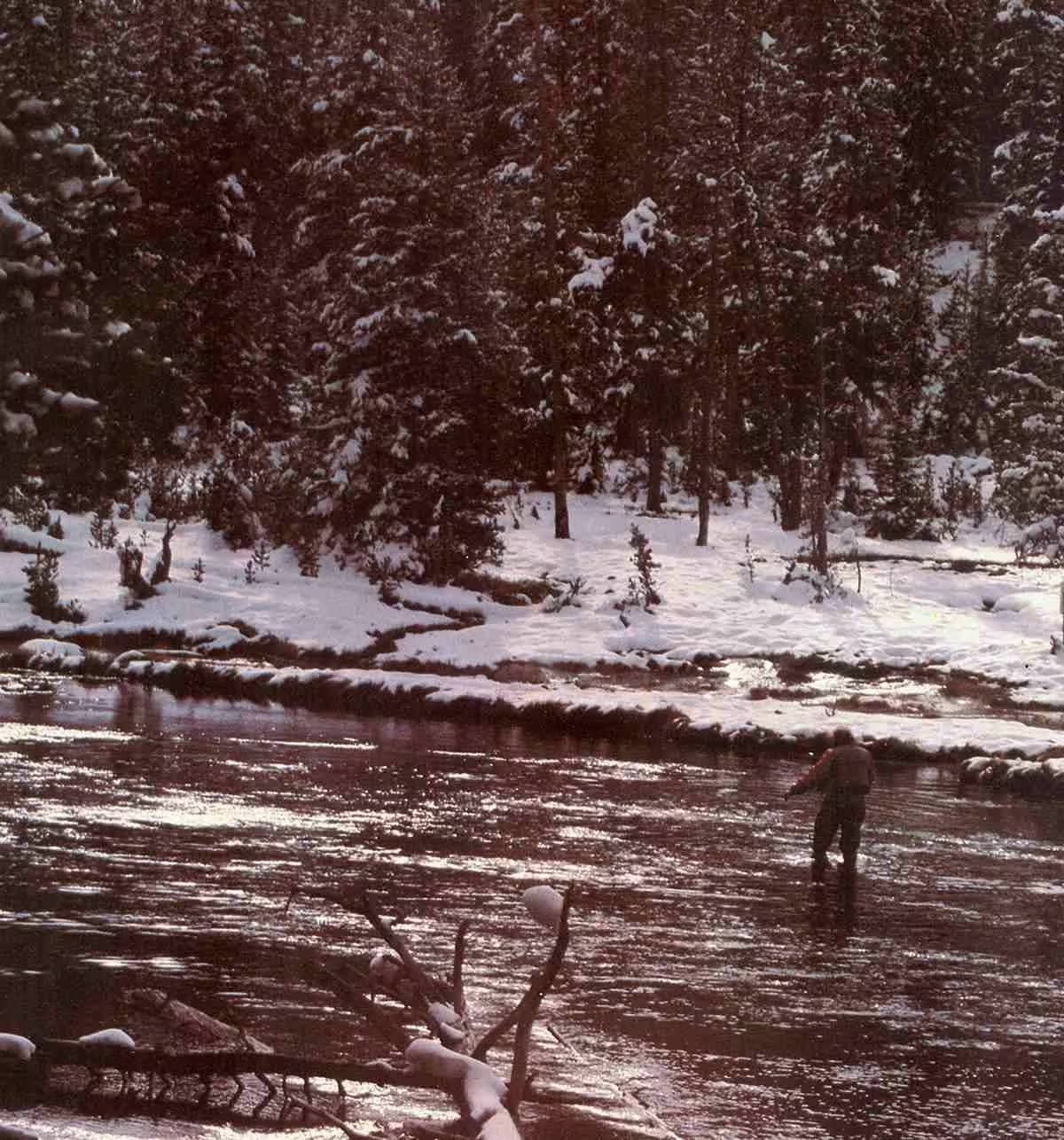
Winter fly fishing presents unique challenges primarily due to freezing temperatures along the Upper Delaware River in Hancock, NY. The cold can wreak havoc on your equipment. It causes your rod guides to ice up. This inhibits casting and line management. To mitigate this, you can carry a de-icing solution or simply dip the rod tip in the water, which is often warmer than the air temperature, to keep it ice-free.
The frigid conditions also necessitate modifications to your techniques. The colder, denser water slows down your line and fly, demanding a slower, more deliberate presentation. Moreover, the icy environment can make your line and reels stiff, and knots more brittle, requiring frequent checks and adjustments to maintain performance.
How Cold Weather Affects Fish Behavior and Feeding Patterns
Fish behavior changes significantly in cold weather. As water temperatures drop, fish metabolism slows down, reducing their need for food and making them less active. Fish tend to seek out deep, slow-moving pools where the water temperature is more stable and slightly warmer. They become opportunistic feeders, often preferring smaller, slower-moving prey, which influences the fly patterns and sizes you should select.
Understanding these behavioral shifts is key to successful winter fishing. Matching your presentation to their slower metabolism and positioning your fly directly in their feeding zones increases your chances of a strike.
Key Safety Considerations for Winter Fly Fishing
Safety becomes paramount when fly fishing in winter. The risk of hypothermia is real, making it essential to dress in layers, wear waterproof and insulated clothing, and keep yourself dry. Wading in icy water can be hazardous. Always use a wading staff and fish with a buddy to reduce the risk of slips and falls.
Additionally, be aware of the weather forecast and water conditions. Sudden temperature drops or unexpected snowstorms can turn a safe outing into a dangerous situation. Always inform someone of your fishing plans and estimated return time.
Understanding these winter fly fishing challenges equips you to better prepare and adapt, ensuring a more enjoyable and successful experience.
Essential Winter Gear and Rod Maintenance
Proper Techniques for De-Icing Rod Guides During Fishing
Frozen rod guides are a significant challenge in winter fly fishing. Ice buildup can hinder casting and line retrieval, ultimately affecting your overall fishing experience. Here are some effective techniques for de-icing rod guides:
- Silicone-Based Products: Applying a thin layer of silicone-based lubricant to your guides can prevent ice buildup. Always carry a small bottle in your fishing kit.
- Warm Water: If a guide is thoroughly iced up, submerging it in warm water for a few seconds can quickly melt the ice. Carry a thermos of warm water for this purpose.
- Manual Removal: Gently use your fingers to remove ice buildup. Avoid using tools or hard objects that could damage the guides.
Recommended Cold-Weather Gear and Clothing for Comfort and Safety
Dressing appropriately for winter fly fishing is crucial for both comfort and safety. Here’s a list of recommended gear:
- Layering:
- Base Layer: Use moisture-wicking materials to ensure sweat moves away from your skin.
- Insulating Layer: Opt for materials like fleece or wool to provide warmth.
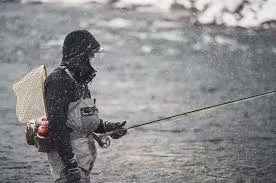
- Outer Layer: A waterproof and windproof jacket will protect you from the elements.
- Headwear: A warm hat and a neck gaiter to prevent heat loss from your head and neck.
- Gloves: Waterproof gloves with removable liners will keep your hands warm and dry while allowing finger dexterity when needed.
- Footwear: Insulated and waterproof boots with wool socks to keep your feet warm and prevent frostbite.
Specialized Winter Fishing Equipment Modifications
Adapting your equipment for winter can enhance your fishing experience. Here are some modifications to consider:
- Floating Fly Line Coating: Some fly lines have special coatings to repel water and minimize ice buildup. Investing in a winter-specific line can make a significant difference.
- Larger Guides: Rods with larger guides facilitate easier line movement and reduce clogging due to ice.
- Ice-Off Paste: Special pastes designed to prevent ice accumulation on your rod guides can be a valuable addition to your gear.
By carefully choosing the right gear and making the necessary modifications, you can maintain efficiency and comfort during winter fly fishing. With these techniques and gear, you’re set to tackle freezing temperatures and enjoy a successful fishing expedition.
Locating Fish in Cold Water
Identifying Productive Deep and Slow Pools in Winter
When the winter temperature sets in, fish behavior changes significantly. One fundamental change is their location preference. Fish seek areas where they expend minimal energy while still having access to food. Deep and slow pools become prime habitats as these areas provide stable temperatures and slower currents.
Recognizing these productive spots starts with understanding the landscape. Look for deeper sections of the river or lake, as these areas will maintain a more consistent temperature compared to shallower regions. These deep pools also tend to have a lower current, which is ideal for fish conserving energy during the cold months.
Understanding Winter Holding Patterns of Different Fish Species
Different fish species exhibit varied holding patterns during winter. For instance, trout often hover near the bottom of deep pools, where the water is warmer and the current is slower. These areas allow them to stay relatively dormant and conserve energy.
On the other hand, species such as pike may prefer slightly shallower waters close to submerged structures like logs or weed beds. These structures offer both protection from predators and access to prey. Understanding these patterns will help you target the right locations based on the species you’re after.
Key Features of Prime Winter Fishing Locations
Several key features make a location ideal for winter fishing:
- Depth: As mentioned earlier, deeper pools are typically more productive in winter.
- Structure: Submerged rocks, logs, or weed beds can offer shelter and attract fish.
- Stable Currents: Areas with slower moving water will be more attractive to fish looking to conserve energy.
- Water Clarity: Clear water can make spotting fish easier, but slightly stained water might help in stealthy approaches.
Take note of these features when scouting for fishing spots. Additionally, local knowledge and observation can play a significant role in locating prime winter fishing locations.
Transitioning your focus to these key areas will enhance your chances of winter fishing success. Understanding how fish adapt to their environment during the cold months is crucial from time and temperature considerations to presenting your fly correctly.
Adapting Your Fishing Strategy
Adjusting Presentation Techniques Based on Water Temperature
When fly fishing in the winter, presentation techniques require careful adjustments due to colder water temperatures. Slower metabolism in fish means they are less likely to chase after swiftly-moving prey. Consequently, presentations should be slow and deliberate. This means using smaller, more natural-looking movements to make flies appear convincing. Techniques like drag-free drifts with nymphs or slow retrieves with streamers can be particularly effective. Remember, subtlety and patience are key.
Modifying Retrieval Speeds for Cold Water Conditions
Retrieval speed is a crucial factor when fishing in cold water. Fish are lethargic and their energy conservation instincts kick in, pushing them to conserve energy. Therefore, your retrieves should be significantly slower than in warmer months. Practicing slow strip techniques or even dead-drifting flies can yield better results. These methods allow the fly to remain in the strike zone longer, giving fish ample opportunity to inspect and strike.
Selecting Appropriate Fly Patterns for Winter Fishing
Fly selection in winter hinges on understanding the limited food sources available to fish. Focus on smaller, darker patterns that imitate the sparse insect life during colder months. Nymphs like pheasant tails, midges, and small stoneflies are excellent choices. Streamers that mimic small fish or leeches and terrestrial patterns can also produce bites. The goal is to match the hatch as closely as possible but also to offer patterns that stand out amidst the dull winter underwater landscape.
Adapting your fishing strategy to winter conditions entails understanding the sluggish nature of cold-water fish and adjusting your techniques accordingly. As you gear up, keep in mind the intricacies of presentation, retrieval, and fly choices to increase your chances of a successful winter fishing day.
Time and Temperature Considerations
Best Times of Day for Winter Fly Fishing Success
Winter fly fishing success often hinges on choosing the right time of day. Unlike in warmer months, the window for optimal activity is much narrower during winter. Fish are typically most active during the warmest part of the day, usually between late morning and early afternoon. This timeframe allows the water temperature to rise slightly, making fish more willing to feed. Planning your fishing trips around this midday warmth can significantly enhance your chances of success.
How to Read and Respond to Water Temperature Changes
Understanding and reacting to water temperature changes is crucial in winter fly fishing. Fish tend to be more lethargic in colder water, moving less and feeding less frequently. Using a thermometer can help track subtle temperature variations. If you notice a slight increase, it could signal an upcoming feeding window. Adapt your strategy by targeting areas with warmer currents, such as sunlit spots or near inflow and outflow of streams. The slightest change in water temperature can trigger fish to become more active.
Optimal Weather Conditions for Winter Fishing
Weather conditions play a pivotal role in winter fly fishing. Overcast days with moderate temperatures are ideal. Cloud cover can moderate water temperatures and keep them stable. Clear, sunny days might be less productive as the water can cool quickly when clouds disperse, leading to a drop in fish activity. Similarly, windy conditions can make it challenging to fish effectively and impact water surface temperatures. Opt for days with mild weather and consistent conditions to improve your success rate.
As you align your fishing strategies with time and temperature considerations, a deeper understanding of specialized nymphing techniques for cold water will further elevate your winter fly fishing experience.
Advanced Winter Fishing Techniques
Specialized Nymphing Techniques for Cold Water
Nymphing in cold water requires finesse and a keen understanding of the fishes’ lethargic behavior during winter months. Trout and other species often retreat to deeper, slower pools where the temperature remains stable. This is where specialized nymphing techniques come into play.
Use heavier nymph patterns and increase the weight of your tippet to ensure your flies sink quickly to the bottom where fish are holding. The best technique involves “high-sticking” your rod to maintain a direct line with your nymph, allowing you to detect even the subtlest bites. Incorporate slow, deliberate movements, as erratic actions won’t entice sluggish winter fish.
Effective Methods for Fishing Deep Pools
When targeting deep pools, it’s essential to adjust your approach. Fish tend to stay in these areas where the water is warmer and the current is slower. Start by casting upstream and allowing your fly to drift naturally downstream. This method mimics the natural flow of food sources in winter currents.
Employ slow retrieves and ensure your fly stays in the lower water column by using added weight or sinking lines. Patience is key—allow your fly to remain in the strike zone for extended periods, giving fish ample opportunity to inspect and bite.
Strategies for Targeting Specific Fish Species in Winter
Different fish species exhibit varied behaviors during the winter. Understanding these patterns will help you target them effectively:
- Trout: Prefer deep pools with cover. Focus on such spots and use nymphs imitating midges and larvae.
- Pike: Often found near vegetation or submerged structures. Use large streamers or baitfish patterns and work them slowly near the bottom.
- Bass: Seek warmer shallows during the middle of the day. Target areas with rocks or sun-warmed waters using crawfish or leech patterns.
It’s essential to adapt your strategy based on the species you’re targeting, considering their specific winter habits and preferences.
With these advanced techniques, you can drastically improve your winter fly fishing success. Stay adaptable and always respect the environment, ensuring a rewarding experience on the water.



