
The Rich Heritage of Catskills Maple Sugaring
Historical significance of maple syrup production in the Catskills region
Maple syrup production is deeply embedded in the history of the Catskills, where communities have engaged in this practice for centuries. This sweet tradition has not only shaped the local economy but also served as a seasonal ritual that brings people together. Over the years, the process and passion for maple syrup production have been handed down through generations, weaving a rich tapestry of heritage that’s still celebrated today.
Indigenous roots and colonial adoption of maple sugaring practices
The origins of maple sugaring in the Catskills can be traced back to Indigenous peoples. Native American tribes such as the Algonquians were the first to tap maple trees, collecting sap and processing it into syrup. They ingeniously used wooden spiles and birch bark containers, and boiled the sap over open fires to produce maple sugar, which was easier to store and transport than syrup.
When European colonists arrived in the Catskills, they were introduced to these traditional practices and quickly adopted them. Maple sugaring became an essential part of colonial life, especially since cane sugar was a rare and expensive commodity. The colonists enhanced the methods with their metal tools and larger-scale operations, standardizing syrup production into a more consistent and commercial enterprise.
Evolution of maple sugaring as a cultural cornerstone in the local community
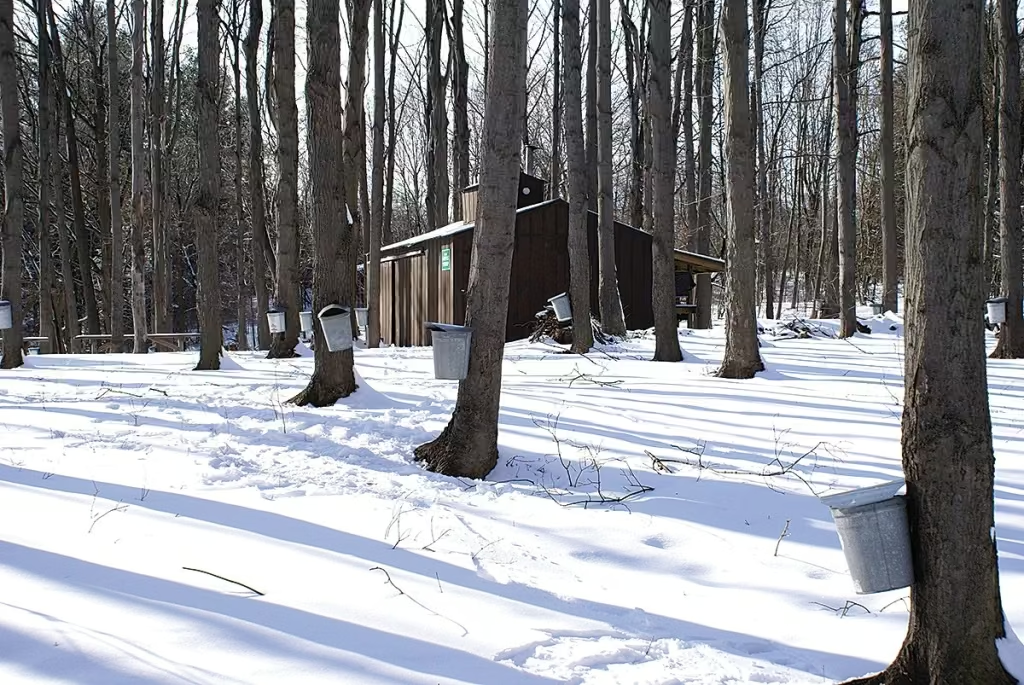
As the Catskills grew, so did the tradition of maple sugaring. Families and small farms across the region have kept the practice alive, turning it into a seasonal celebration and economic staple. Today, maple syrup production is not just about the syrup itself but the entire cultural heritage wrapped around the process. Communities gather for maple festivals, sugar house tours, and demonstrations, making it a cherished local tradition that highlights the importance of preserving both the environment and the practices of our ancestors.
Understanding the intricacies of the maple sugaring season reveals how crucial timing and weather conditions are to this age-old craft.
Understanding the Maple Sugaring Season
Maple sugaring season in the Catskills is a unique and highly anticipated time of year. The process of collecting sap begins when the weather conditions are just right, and understanding these conditions is crucial for producing high-quality syrup.
Optimal Weather Conditions
For sap collection to occur, specific weather patterns must align. The ideal conditions are freezing nights and warm days, which create a cycle of pressure inside the maple trees. During the night, temperatures must drop below freezing, usually between 20°F and 30°F. Come daytime, temperatures should rise to around 40°F to 50°F. This fluctuation causes the sap to move through the tree, making it accessible for tapping.
Peak Season Timing
The sap collection season in the Catskills typically runs from February to April. The exact timing can vary each year based on the weather. Early signs of spring often signal the start of the season, and it continues until the trees begin to bud. Once budding starts, the quality of the sap decreases, marking the end of the sugaring season.
Factors Affecting Sap Flow and Syrup Quality
Several factors can influence sap flow and the resultant syrup quality:
- Tree Health: Healthy, mature sugar maples produce the best sap. Trees need to be at least 40 years old and 10 inches in diameter to be tapped sustainably.
- Weather Patterns: Inconsistent weather, such as prolonged warm periods or extreme cold, can disrupt the sap flow.
- Soil Conditions: Nutrient-rich, well-drained soil supports healthy trees that produce higher-quality sap.
As we delve deeper into the rich tapestry of maple sugaring, our next exploration will be on traditional and modern tapping methods, showcasing a blend of heritage and innovation.
Traditional Tapping Methods and Modern Adaptations
Traditional Bucket Collection Systems
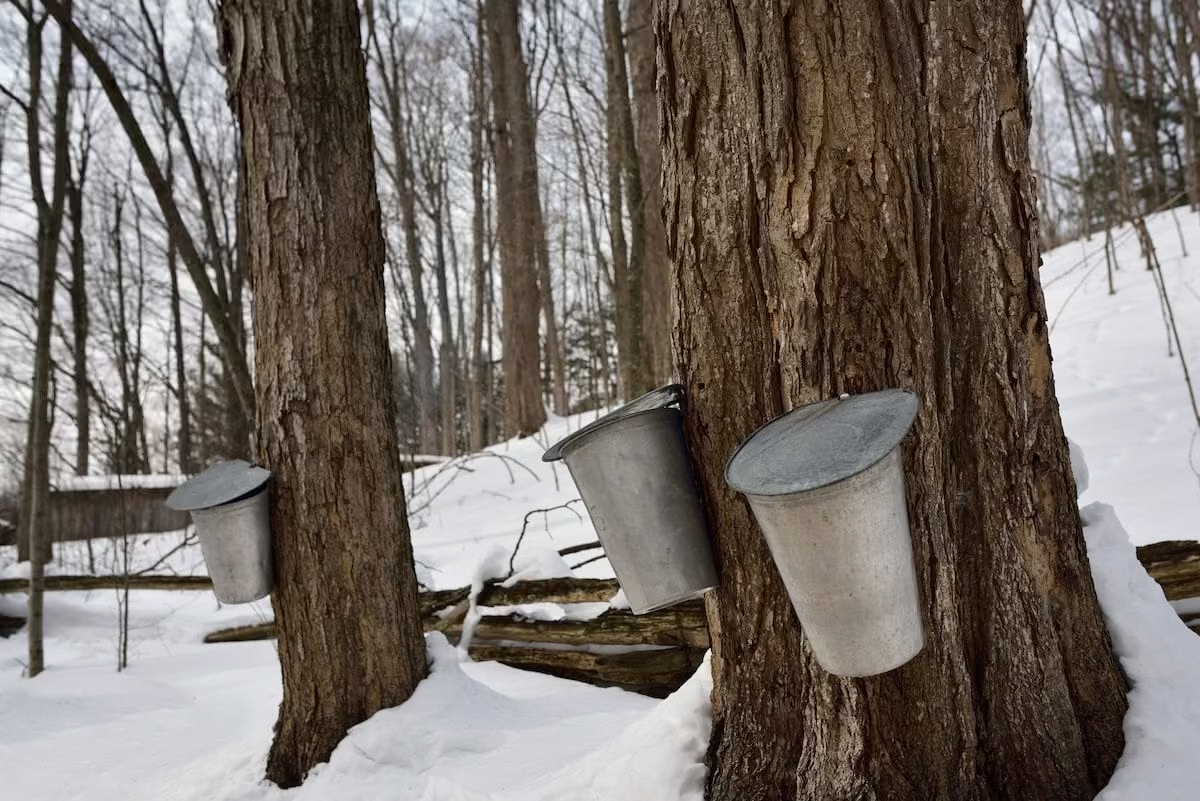
The traditional methods of maple sugaring in the Catskills start with the classic bucket collection system. This method involves drilling a small hole into the maple tree and inserting a spout, known as a spile. The sap drips from the spile into a bucket hung below. Many local producers continue to use these methods, not only for their simplicity but also for their charm. Collecting sap by hand and boiling it down over an open fire is a time-consuming but deeply satisfying experience that connects them to their ancestors’ ways.
Modern Tubing Systems and Vacuum Pumps
As technology advanced, so did the methods for collecting maple sap. Modern operations now often employ tubing systems that connect multiple taps in the trees to a central collection tank. This method reduces labor and increases efficiency, allowing more sap to be collected in a shorter period. Some larger producers also utilize vacuum pumps to help draw out sap from the trees more effectively. These innovations have revolutionized the industry by increasing yield and making the process more manageable for larger sugaring operations.
Sustainable Tapping Practices
Regardless of whether they use buckets or tubing, all successful maple sugaring operations must practice sustainable tapping. This means ensuring that the trees are not over-tapped—generally, one to three taps per tree, depending on the tree’s size and health. Sap collectors also carefully monitor the trees for signs of stress or damage, rotating taps and allowing trees sufficient time to heal. By prioritizing the health of their maple trees, producers can ensure that they will continue to produce high-quality sap for many generations to come.
From Sap to Syrup: The Production Process
Traditional Wood-Fired Evaporation Methods
Many Catskills maple syrup producers remain dedicated to traditional wood-fired evaporation methods, a practice rooted in history. This process involves collecting sap in large pans and boiling it over a wood fire until it concentrates into syrup. The charm of a wood-fired evaporator lies in its simplicity and the rich, complex flavors it imparts to the final product. Producers often carefully monitor the boiling process to maintain consistent heat, ensuring the syrup reaches the perfect density without scorching.
Modern Reverse Osmosis and Efficient Evaporation Techniques
Innovation has brought significant advancements in maple syrup production. Modern reverse osmosis systems have revolutionized how producers concentrate sap. This technology filters out a large portion of the sap’s water content before boiling, thus reducing the time and energy required for evaporation. Additionally, efficient evaporators have been designed to maximize heat transfer and minimize energy consumption, further streamlining the process. These modern techniques allow producers to maintain high-quality syrup while meeting increasing demand.
The Art of Determining Proper Syrup Density and Grade
Regardless of the method used to evaporate the sap, determining the proper syrup density and grade is an art. Producers rely on hydrometers or refractometers to measure syrup density, ensuring it has the right sugar content. The syrup is then graded based on color and flavor, from golden and delicate to dark and robust. This nuanced grading system helps categorize the syrup, guiding both producers and consumers in understanding the syrup’s characteristics.
Transitioning from traditional to modern techniques or balancing both requires skill and knowledge. Each method has its unique touch, contributing to the rich tapestry of maple syrup production in the Catskills.
Local Producers and Their Stories
Profiles of Multi-Generational Maple Syrup Families
The Catskills region is home to numerous multi-generational maple syrup families, each with its own rich history and cherished traditions. These families have passed down their knowledge and love of maple sugaring through the ages, creating a tapestry of stories that make up the heart of the local community. Many of these producers still use methods and tools handed down by their ancestors, preserving a deep connection to the past while embracing modern efficiencies.
One such family is the Johnsons, who have been in the maple syrup business for over a century. Every spring, the Johnsons come together to tap their family’s century-old trees, collect sap, and produce syrup using a mix of traditional and modern techniques. Their commitment to quality and tradition has earned them a loyal following both locally and beyond.
Challenges and Rewards of Maintaining Traditional Production Methods
Maintaining these traditional methods comes with its set of challenges. The process can be labor-intensive and weather-dependent, requiring producers to be adaptable and resilient. For these families, dealing with unpredictable weather, fluctuating market demands, and the physical rigors of sugaring can be a daunting task.
However, the rewards are deeply meaningful. The process of maple sugaring is not just about producing syrup; it’s about family, heritage, and community. There is a profound sense of pride and accomplishment in keeping the tradition alive, nurturing the craft, and passing it on to the next generation. Many producers find immense joy in the collective effort and in sharing their world with visitors and locals alike.
Role of Maple Sugaring in Supporting Local Agriculture and Tourism
Maple sugaring plays a crucial role in supporting local agriculture and tourism in the Catskills. It contributes to the agricultural economy by fostering sustainable land use practices and promoting biodiversity. Syrup production encourages the maintenance of healthy maple forests, which benefits the environment as well.
Tourism thrives during the sugaring season, drawing visitors to the region’s maple festivals, sugar house tours, and syrup-making demonstrations. These events provide an opportunity for producers to showcase their craft, engage with the public, and sell their products directly to consumers. Thus, maple sugaring not only sustains the heritage and tradition of the Catskills but also bolsters the local economy in significant ways.
Visitors and locals alike can experience the time-honored practices that have been passed down for generations, making the Catskills a must-visit destination during maple season.
Experiencing Maple Season in the Catskills
Popular Maple Festivals and Sugar House Tours
Visiting the Catskills during peak maple sugaring season offers a unique, hands-on experience that celebrates this cherished tradition. Each year, local communities host a variety of maple festivals, where visitors can enjoy a range of activities, from tasting freshly made maple syrup to participating in tree tapping demonstrations. An example is the Maple Fest, which features live music, craft fairs, and delicious maple-themed foods.
Sugar house tours are another highlight of the maple season. These tours typically provide visitors with an insider’s look at the syrup production process, from sap collection to the final bottling. Many sugar houses, such as the century-old Johnson family business, open their doors to the public. You can witness the time-honored methods they use. They also show how they have made modern adaptations to produce high-quality maple syrup.
Where to Witness Traditional Syrup Making Demonstrations
To truly experience the essence of Catskills maple sugaring, witnessing traditional syrup-making demonstrations is a must. These events are often held at local sugar houses and community centers. During the demonstrations, experienced sugarmakers guide you through the process. They showcase how sap is collected, boiled, and transformed into syrup using traditional wood-fired evaporators. This hands-on approach offers a deeper appreciation for the labor and craftsmanship involved in making maple syrup.
Tips for Visitors Interested in Experiencing the Maple Sugaring Tradition
For those looking to make the most of their visit to the Catskills during maple sugaring season, here are a few tips:
- Plan Ahead: Check the dates for local maple festivals and sugar house tours, as they can vary from year to year.
- Dress Appropriately: The weather can be unpredictable, so dress in layers and wear sturdy boots for walking through woods and sugar houses.
- Arrive Early: Sugar house tours and demonstrations can get crowded, so arriving early ensures you get the best experience.
- Support Local Producers: Purchasing maple products directly from local producers not only provides you with a delicious souvenir but also supports the regional economy.
Exploring the maple sugaring tradition in the Catskills is a memorable experience that connects you to a rich history and vibrant community practice. You may enjoy a festival, take a sugar house tour, or watch a syrup-making demonstration. The warmth and charm of this time-honored tradition are sure to leave a lasting impression.



