
Introduction: The Magic of Early Morning Wade Fishing on the Upper Delaware
Why This River Calls to Wild Trout Anglers
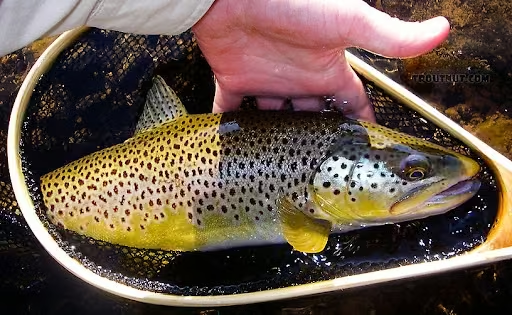
Tucked into the scenic Northeast, the Upper Delaware isn’t just a pretty stretch of water—it’s a legendary wild trout fishery. Anglers come for brown and rainbow trout that thrive in the river’s cold, steady flows and natural surroundings. Without the regular stocking seen in other rivers, these trout are truly wild, challenging, and rewarding to pursue.
The Challenge and Payoff of Summer Wade Fishing
Wade fishing here in summer is always an adventure. Mornings often find you knee-deep in mist, with only subtle rises giving away trout. The balance of stealth, timing, and skill leads to memorable catches but also plenty of quiet moments. The river runs clearer and warmer this time of year, making fish selective and careful—yet stunningly beautiful under soft morning light.
Magic in the Morning Light
As the sun rises, cool water invites trout to feed. Early mornings give you an edge, as fish seek comfort before warming temperatures push them into hiding. There’s less crowding, the river feels alive, and each cast holds promise. This quiet window, when water temperatures are lower and insects hatch, can turn a single morning into a story worth retelling.
Each outing here reveals more about the river’s rhythm and the wild trout that call it home.
Understanding the Upper Delaware River Ecosystem
The Tailwater Advantage
The Upper Delaware is a tailwater fishery, which means its flows are controlled by releases from upstream reservoirs. These steady releases keep water cold even on hot days. This cool water is essential for trout, keeping them healthy and active in times when many other streams get too warm for good fishing.
Wild Brown and Rainbow Trout Populations
This stretch of river is known for wild brown and rainbow trout. These fish aren’t stocked—they’re born and raised here. Since they’re wild, they’re often more cautious and selective. They feed on natural insects throughout the year, making matching local hatches important. Wild trout in this system are constantly adapting to changing conditions, seeking out optimal water temperatures and hiding spots.

Summer’s Influence on Water and Trout
As summer arrives, air temperatures rise and river flows can drop. The colder, reservoir-fed water warms as it travels downstream and during afternoon sun. Trout respond to these changes by seeking out cooler, deeper areas and feeding most actively when water is coolest—especially during early morning hours. Warm water holds less dissolved oxygen, so these fish gravitate to oxygen-rich runs and shaded spots, adapting their behavior to survive and thrive all season long.
A good understanding of these natural patterns helps anglers read the river more effectively. Moving forward, knowing the best times to fish becomes crucial for success.
Timing is Everything: Why Early Mornings Matter
The Power of Cool Morning Water
When the sun first rises over the Upper Delaware, the river is at its coolest. Trout are cold-water fish, and their metabolism slows as water warms. In early morning, water temperatures are at their lowest, which means trout are more comfortable and more likely to feed actively. The air is still, the river is quiet, and the fish take advantage of these peaceful hours.
Trout Feeding Behavior at Dawn
Wild brown and rainbow trout are most energetic at dawn. Cool water holds more oxygen, making trout more active and likely to move out of cover in search of food. Natural insect hatches often happen at this time, tempting fish to look upwards for their first meal of the day. You’ll often spot silvery flashes or subtle rises—keys that trout are feeding on the surface.
The Prime Window for Summer
Plan to start before the sun is fully up. Usually, the most productive fishing window runs from the first hint of daylight until mid-morning. As the sun climbs, water temperatures rise, insects become scarce, and trout retreat to deeper or shaded areas to stay cool. Anglers who adjust their schedule and hit the water early get the best chance at active fish.
Planning Your Outing
Check the sunrise time and aim to be streamside and ready just before first light. Bring a thermometer to monitor water temps—once it climbs much past 68°F, trout become stressed and less likely to bite. Make a habit of wrapping up your fishing by mid-morning. Not only does this respect the fish, but you’ll also beat the summer heat and crowds.
A solid understanding of timing will give you a true edge as you prepare your gear for success.
Essential Gear for Summer Wade Fishing
Choosing the Right Rod and Reel
For summer wade fishing on the Upper Delaware, a lightweight fly rod in the 9-foot, 4- to 5-weight range strikes the best balance. It offers the delicacy required for presenting small flies, yet enough backbone to handle powerful wild trout. Pair this with a compact, large-arbor reel for smooth drag and easy line retrieval. Weight-forward floating lines work well for delicate summer presentations and longer casts in wide pools.
Staying Cool and Comfortable
Wading in hot summer weather means comfort matters. Breathable chest waders are a solid choice during early mornings when air temperatures are cooler, but wet wading—using neoprene socks and wading boots—lets you beat the heat as the day warms up. Quick-dry clothing and a sun-blocking hat complete a comfortable and safe setup for changing summer conditions.
Essential Summer Accessories
- Sun Protection: Bring polarized sunglasses and a buff or lightweight long sleeve for UV protection.
- Water Thermometer: Regularly monitor water temperature, ideally keeping it below 68°F to protect trout health.
- Lightweight Nets: Use a rubber mesh net for quick, gentle releases and minimal fish handling.
Having the right gear means you’re ready to adapt quickly as river conditions—and trout behavior—shift through the morning.
Mastering Proper Wading Techniques
Stealth Approaches: Minimizing Your Profile and Shadow
Trout in the Upper Delaware are notoriously wary, especially during the bright, clear conditions of summer mornings. To avoid spooking them, move slowly and keep a low profile as you approach the water. Stay crouched and use streamside vegetation for cover when possible. Try to enter the water away from holding lies, and always approach from downstream so your shadow doesn’t fall across the fish you’re targeting.
Reading Water Currents for Stability
Moving safely and quietly requires awareness of river currents. Take a moment to watch the flow before stepping in. Look for deeper runs and seams—these spots often provide better footing than slippery rocks in fast riffles. Place your staff or foot in the water ahead of you and apply gentle pressure to test stability before shifting your weight. Small, careful steps are best; shuffle rather than lift your feet to avoid sending out shockwaves.
Body Positioning and Foot Placement
Good wading form means keeping your body facing upstream, hips and shoulders squared, with feet angled slightly downstream. This lower, athletic stance helps reduce noise and surface disturbance. Make sure you plant your feet quietly and avoid dragging them, which can alert fish. Maintain three points of contact as you move—a wading staff, foot, and hand on a nearby rock helps keep you balanced and discreet.
Wading with care not only keeps you safe but allows you to get closer to finicky trout. Once you master quiet movement, you’ll be set to systematically cover more water and spot new opportunities as you move through the river.
Staying Mobile: The Key to Summer Success
Why Mobility Matters in Summer
As summer heats up on the Upper Delaware, trout aren’t likely to stay put in obvious spots. The increasing sunlight and rising water temperatures push them to move frequently between shaded lies, deeper pools, and faster seams. Covering water efficiently becomes essential—lingering too long in one place can mean fishing “empty” water while active trout feed elsewhere.
Upstream vs. Downstream Approaches
Choose a strategy that suits the river’s flow and your goal for the day. If you prefer working upstream, you’ll minimize your presence and keep sediment from drifting into where fish are holding. Move quietly and cast ahead, paying attention to new seams and pockets as you advance.
Working downstream can be productive too, especially with dry flies or when targeting deeper runs. Watch your shadow, keep a low profile, and let your offering drift naturally with the current.
Knowing When to Move On
Summer fishing is often about the next opportunity. If you’ve made several good presentations in a spot and get no response, don’t hesitate to move. Systematically fish each run and change locations if you don’t spot signs of life—nervous water, subtle rises, or feeding swirls. Spend extra time only if you see trout rising or actively feeding.
Staying mobile lets you cover more water, find feeding fish, and maximize the best hours of cool morning conditions. This flexible approach sets the stage for effective fly selection as the sun climbs higher.
Small Fly Selection for Summer Hatches
Why #18 Sulfurs Are the Summer Standby
On hot summer mornings, the Upper Delaware is a stage for tiny, delicate insects. Among them, #18 sulfurs take the spotlight. These small mayflies hatch in great numbers during early and mid-summer, and local trout quickly tune in to their subtle presence. Because natural sulfurs are small, using a size #18 fly is often crucial for fooling wary, selective fish.
Must-Have Sulfur Patterns
A well-stocked fly box should have a few reliable sulfur patterns in size #18. Go for classic compares like:
- Sulfur Comparadun – rides flush and imitates a dun
- Sulfur CDC Emerger – ideal during heavy emergence
- Sulfur Parachute – sits high for better visibility
- Rusty Spinner – matches spent adults in the evening
Having both parachute and emerger patterns lets you adapt as hatches change through the morning.
Matching the Hatch: Observing and Responding
Successful anglers pay close attention to the hatch’s stage. If you see duns drifting, switch to a Comparadun or Parachute. When trout sip gently or swirl near the surface, an emerger is likely best. Later, if spent spinners cluster on the water, reach for a Rusty Spinner. Carrying all three types ensures you’re ready for whatever phase the trout prefer.
Staying observant will help you stay a step ahead, making every cast more meaningful in this ever-changing river.
Presentation Techniques for Selective Trout
Achieving Drag-Free Drifts with Light Tippets
Fishing for selective trout on the Upper Delaware means you need to fool some pretty smart fish. One of the best tactics is presenting your fly with a drag-free drift. Light tippets are a must—think 6X or even 7X. They allow your tiny sulfur patterns to float more naturally, closely mirroring real insects. To pull off a flawless drift, cast upstream or across the current, mend your line early, and let the fly float with as little tension as possible.
Mending Techniques for Summer Water
Mending your line isn’t just about shifting slack; it’s about extending your drift and keeping your fly in the feeding lane. In summer, water currents are varied—soft seams mix with faster runs. Make subtle mends that lightly lift and reposition the line without tugging your fly off course. Use your wrist for gentle, early corrections, especially when fishing through complex currents. This small detail prevents micro-drag and keeps wary trout interested.
Targeting Rising Fish Without Spooking Them
When you spot rising fish, approach with maximum stealth. Use the bank or natural cover, and crouch low to blend in. Avoid casting directly over fish—present your fly a few feet upstream, letting it drift down naturally. Shorten your casts at first, and only lengthen them if you need more distance. Pay close attention to shadows and movement in the clear morning light. Less motion means less chance the trout will notice you, keeping them feeding confidently.
With these techniques, you’ll find your fly eagerly accepted by even the most cautious wild trout as you continue to refine your approach for changing river conditions.
Finding Deep Holes After Summer Rains
How Rainfall Changes River Opportunities
Summer rains can transform the Upper Delaware overnight. When a storm hits, fresh water stirs up food and cools the river, sparking trout movement. The current speeds up and visibility drops, sending fish into deeper water for shelter and safety. For anglers, this shift means trout are more willing to feed and venture out.
Locating Productive Deep Holes
After the rain, deep holes and channels become trout magnets. Look for spots where dark water swirls next to a sharp drop-off or behind a big boulder. Fish often stack up in pools below riffles, letting the current bring them insects and other food. Edges along undercut banks or near the mouths of feeder streams also offer cooler, oxygen-rich water that trout crave.
Techniques for Fishing Higher Flows
Fishing these deep spots isn’t about luck—it’s about smart tactics. Start by adding some weight to your leader or choosing a slightly heavier fly. Let your drift carry into the hole and use short strips to keep your line tight. Focus on presenting your fly low and slow; during higher flows, trout are less spooky and willing to strike.
This blend of conditions sharpens your approach—combining knowledge of water, timing, and effective presentation will keep you in the game as river dynamics change.
Reading Summer Water: Where Trout Hold When It’s Hot
Spotting the Best Water When Temperatures Climb
During a hot Upper Delaware summer, trout need well-oxygenated, cooler water to survive. Not all river stretches offer the same relief, so knowing where to look is crucial for finding active fish.
Finding Oxygen-Rich Zones
Fast-moving runs and riffles are prime spots. The churning water traps more oxygen, giving trout the breath they crave. Focus your casts near seams where water speeds shift—these are trout magnets when the heat is on.
Locating Thermal Refuges
Watch for cool-water tributaries entering the main river. These creeks and springs create temperature breaks that attract and concentrate trout on warm days. Look for visible current lines, patches of slightly darker water, or sudden temperature drops by touch or thermometer. Trout often stack here, especially during midday lulls.
Current Speed and Oxygen
Faster current means more dissolved oxygen, but too much force can be tiring for trout. Seek out spots with steady, brisk flow adjacent to slower water—edges of runs, the head of pools, or behind boulders. These locations let trout hold comfortably while still accessing the oxygen they need.
Understanding these patterns helps identify productive lies even in summer’s toughest conditions. With a keen eye for current speed and cooler inflows, you’re better positioned for that next solid hookup.
Ethical Considerations for Summer Fishing
Monitoring Water Temperatures and Knowing When to Stop
During summer, warm water can put stress on wild trout. Always carry a reliable water thermometer. Check the temperature each hour, especially as the sun rises. If the water reaches 68°F or higher, it’s time to call it a day. Angling in cooler temps helps fish recover faster and prevents added stress.
Proper Catch and Release Techniques for Stressed Trout
When trout are tired from the fight, handle them with extra care. Keep the trout in the water at all times, if possible. Use a rubber mesh net to avoid damaging their protective slime. Gently remove the hook using forceps and release the trout facing upstream so water flows over its gills.
Reducing Fish Handling Time in Warmer Conditions
Minimize your handling time, especially on hot days. Wet your hands before touching fish to protect their skin. Avoid squeezing or removing the trout from the water for photos. The less time fish spend out of water, the greater their chance of survival during summer heat.
With thoughtful practices, we can enjoy summer trout fishing while ensuring these wild fish thrive. Responsibly navigating river conditions sustains the rewarding experiences on the Upper Delaware.
Advanced Tips for Consistent Success
Keep Detailed Notes of What Works
Tracking your summer trips can be a game-changer for consistent trout fishing. Jot down details about the patterns that drew strikes, the hatch times, water temperature, weather, and your presentation style. Use a small waterproof notebook or a notes app on your phone right after a session. Over time, trends will jump out—helping you refine your approach to the Upper Delaware.
Adapt as the Morning Heats Up
Summer mornings start cool, but the temperature climbs quickly. As water warms and trout retreat to deeper, shaded spots, don’t stick with the same tactics all morning. Change up your location, switch to smaller or more natural flies, and cast to deeper seams and faster edges. If you started with dry flies, try nymphs by mid-morning, especially in deeper or oxygen-rich water.
Leverage Local Intel
Tap into local expertise by chatting with shop staff, checking river reports online, or talking to regulars at the parking lot. Fresh local updates on hatches, flows, or productive beats can save you hours of trial and error. Even small tidbits—like a window where spinners show up heavily—can help you capitalize when fish are most active.
By combining careful observation, adaptable technique, and community knowledge, you set yourself up for more rewarding mornings throughout the season.
Conclusion: Putting It All Together
Crafting Your Approach
Building your personal strategy for summer wade fishing means blending knowledge and practice. Start early, adjust to changing river conditions, and stay flexible. Sharpen your skills with careful notes about fly patterns and fish behavior. Use the lessons from each morning to refine your technique—both your timing and tackle choices make a difference. Stay mobile and alert to changing conditions as the sun rises.
The Satisfaction of Mastery
There’s a real sense of reward in mastering early morning wade fishing. You’ll experience the river at its quietest, with feeding wild trout surfacing in the soft dawn light. Every trip offers a chance to improve timing, stealth, and observation—transforming challenges into memorable moments with every cast.
Honoring the River
Conservation is crucial. Always monitor temperatures, minimize handling, and prioritize catch and release. By treating the fish and river with respect, you help ensure this unique experience remains available to others in the future.



