
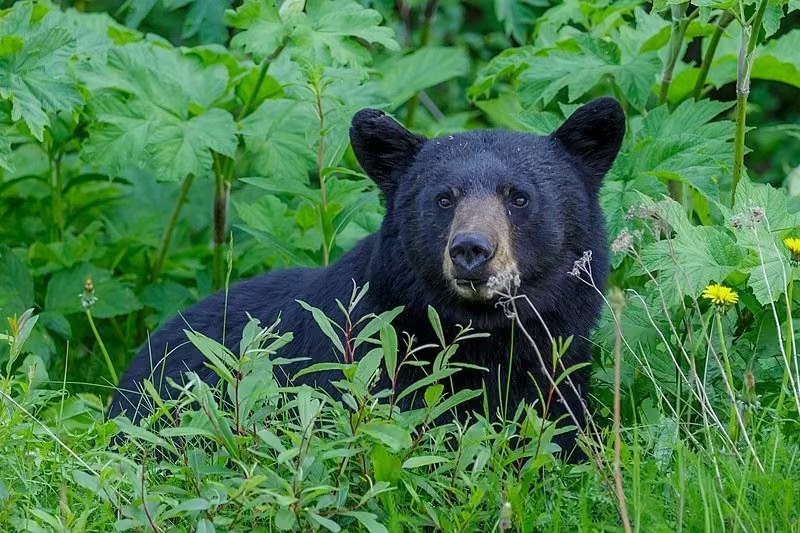
Introduction to Spring Wildlife in the Catskills
The Catskills’ Unique Ecosystem and Biodiversity During Spring
Spring in the Catskills is a time of renewal and vibrant activity. As the snow melts and temperatures rise, various flora and fauna emerge, giving life to the region’s unique ecosystem. The Catskills are characterized by dense forests, clear streams, and diverse habitats, making it an essential area for numerous wildlife species. With the budding trees and blooming flowers, spring brings an explosion of biodiversity, providing hikers with an incredible opportunity to experience nature at its finest.
Why Wildlife Encounters Increase During the Spring Hiking Season
Spring is an ideal season for wildlife encounters in the Catskills due to the animals’ increased activity after winter dormancy. Many species are in search of food, mates, and new territories, making them more visible and active. Migratory birds return, amphibians begin their breeding season, and mammals renew their foraging habits. Additionally, the warmer weather attracts more hikers to the trails, increasing the likelihood of wildlife encounters during this busy period.
Importance of Wildlife Awareness for Hiker Safety and Conservation
Wildlife awareness is crucial for both hiker safety and conservation efforts. Understanding the behavior and presence of various animals can help hikers avoid dangerous situations and contribute to preserving the natural habitat. Knowledge of animal activity patterns and respectful interaction practices can minimize human-wildlife conflicts and ensure the continued health of the ecosystem. Hikers play a vital role in conservation by observing wildlife responsibly and reporting significant sightings to appropriate authorities.
Spring hiking in the Catskills offers an unforgettable experience, but it’s essential to be prepared and aware of the animals that call this region home.
Preparing for Wildlife Encounters Before Your Hike
Essential Gear and Precautions for Wildlife Safety
Preparing for a hike in the Catskills during spring requires not only physical readiness but also a keen awareness of potential wildlife encounters. Essential gear for wildlife safety includes:
- Bear spray: A critical item in areas with active bear populations.
- Whistle or air horn: Useful for scaring off predators or signaling for help.
- First aid kit: Equip yourself with supplies to address minor injuries from wildlife encounters.
- Proper footwear and clothing: Prevent snake bites and protect against ticks.
Researching Trail-Specific Wildlife Activity and Reports
Knowing the wildlife activity specific to your chosen trail can greatly enhance your hiking experience. Before heading out, spend time researching:
- Local wildlife activity reports: Check recent sightings and encounters reported by other hikers.
- Trail conditions: Many online resources and park services provide updates on current wildlife behaviors and locations.
- Forums and social media groups: Connect with the hiking community for recent observations and tips.
Understanding Seasonal Behavior Patterns of Catskills Animals
Spring brings dynamic changes to the behavior patterns of Catskills animals. Key aspects to understand include:
- Breeding season: Many animals are more active and territorial, making encounters more likely.
- Migrations: Birds and small mammals often migrate through the region, offering unique wildlife watching opportunities.
- Emergence from hibernation: Larger mammals like black bears and small reptiles wake up and start foraging, increasing sighting chances.
Equipped with these precautions and knowledge, you’ll be ready for a safe and enriching hike through the Catskills.
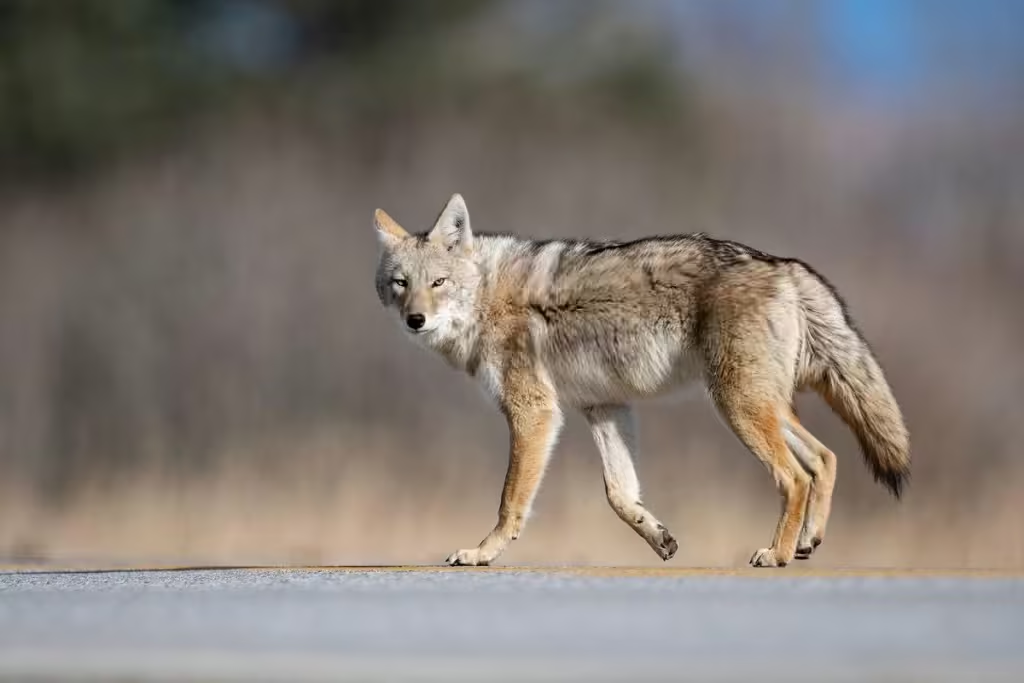
Catskills Predators: Coyotes
Identifying Coyotes and their Typical Behaviors in Spring
Coyotes are one of the most adaptable and widespread predators in the Catskills. Identifiable by their sleek, dog-like appearance, coyotes typically have a gray-brown coat, pointed ears, and a bushy tail. During the spring, their breeding season comes to an end, and they become more active in searching for food to support their pups. You’re most likely to spot them at dawn or dusk when they’re hunting or moving through the wilderness.
Common Misconceptions about Coyote Encounters
Despite their reputation, coyotes are generally not aggressive toward humans. One common misconception is that they are constantly on the prowl to attack hikers, but in reality, they tend to avoid human contact. Coyotes are opportunistic hunters, preferring small mammals, birds, and even fruit. Misunderstanding their natural behavior can lead to unnecessary fear. Another misconception is that coyotes are always pack animals; however, they often hunt alone or in pairs.
How to Respond If You Encounter Coyotes on the Trail
If you encounter a coyote while hiking, it’s important to stay calm and follow these steps:
- Do not run: Running can trigger their instinct to chase.
- Make yourself look bigger: Stand tall and wave your arms.
- Make loud noises: Shout, clap your hands, or use a whistle to scare them away.
- Maintain eye contact: Staring at them helps to assert dominance.
- Back away slowly: Keep facing the coyote and gently back away.
By understanding coyote behaviors and how to react, you can ensure a safe hiking experience while respecting the natural habitat of these adaptable predators.
Catskills Predators: Bobcats
Recognizing Bobcat Signs and Habitats in the Catskills Region
Bobcats are one of the most elusive predators in the Catskills. To spot these secretive creatures, look for signs such as their characteristic paw prints, which show a round shape with four distinct toes and no claws. You might also notice their scat, which is typically segmented and contains hair and bones. Bobcats prefer dense forests and rocky areas, often making their dens in caves, hollow trees, or under rock overhangs.
Why Bobcat Sightings Are Rare but Increasing in Spring
Bobcat sightings are uncommon mainly due to their elusive nature and preference for solitude. However, sightings tend to increase in spring as these animals become more active and visible while hunting for food after a winter semi-hibernation state. The breeding season in late winter and early spring also compels them to roam more extensively, hence increasing the chances of encounters.
Safe Practices During Potential Bobcat Encounters
While bobcats generally avoid human interaction, it’s still essential to know how to react if you find yourself in close proximity to one. Here are some safe practices:
- Maintain eye contact and make yourself appear larger by raising your arms or using a jacket.
- Make loud noises to deter the bobcat.
- Never turn your back on the bobcat or run, as this might trigger a chase response.
- Back away slowly and ensure the bobcat has a clear escape route.
Using these techniques not only ensures your safety but also teaches wildlife to maintain a healthy distance from humans.
Understanding the behaviors and habitats of bobcats helps hikers stay mindful of their presence and contributes to shared conservation efforts for the Catskills’ diverse wildlife.
The diversity of wildlife encounters in the Catskills doesn’t end here; one must also be prepared for potential meetings with the region’s largest resident – the black bear.
The Mountain Lion Debate in the Catskills
Historical Context and Current Evidence
Mountain lions, also known as cougars or pumas, were historically prevalent in the Catskills region. However, extensive hunting and habitat loss led to their near extinction in the eastern United States by the early 20th century. Despite this, anecdotal reports and occasional sightings suggest that a few individuals may still traverse the area, possibly dispersing from the west or captive animals being released.
Recent evidence includes sporadic trail camera images, unconfirmed tracks, and scat analysis. These findings have reignited the debate among ecologists and wildlife enthusiasts about the presence of these elusive predators in the Catskills.
Differentiating Between Mountain Lions and Other Large Cats
Mountain lions can often be confused with bobcats and large domesticated dogs. Key differences include:
- Size: Mountain lions are significantly larger, averaging 6-8 feet in length, including the tail, whereas bobcats are much smaller, around 3 feet.
- Tail: Mountain lions have a long, thick tail with a black tip, while bobcats have a short, bobbed tail with a white underside.
- Color: Mountain lions typically have a uniform tawny coat, while bobcats display a more patterned coat with spots and stripes.
Recognizing these differences can help in correctly identifying potential sightings.
What to Do in the Unlikely Event of a Mountain Lion Sighting
If you encounter a mountain lion:
- Stay Calm: Remain composed and avoid sudden movements.
- Make Yourself Big: Stand tall, raise your arms, and open your jacket if wearing one to appear larger.
- Make Noise: Use a firm, loud voice to assert your presence without yelling.
- Back Away Slowly: Do not run. Maintain eye contact and slowly back away, keeping the mountain lion in sight.
- Defend Yourself if Attacked: In the rare event of an attack, use any available objects to fight back, focusing on the eyes and nose.
Understanding the correct response to a mountain lion sighting can significantly increase your safety, and allow for a continued appreciation of the wilderness in the Catskills.
Summary of Section Preparing for Wildlife Encounters Before Your Hike
We previously explored the Catskills’ unique spring ecosystem, emphasizing the importance of hiker safety and conservation. Essential preparation tips covered included gear, researching trail-specific wildlife activity, and understanding seasonal behavior patterns of the region’s animals.
Summary of Section Catskills Predators: Coyotes
This section dealt with coyotes, highlighting their peak activity at dawn and dusk. Safe practices when encountering coyotes included keeping a clean campsite, securing food, and never feeding them. The response strategies discussed involved maintaining eye contact, making noise, and slowly backing away.
Summary of Section Catskills Predators: Bobcats
Bobcats, distinguished by their short tails and spotted coats, are elusive and generally avoid human contact. Increased spring sightings due to breeding and hunting activity call for safe encounter practices such as maintaining eye contact, making noise, and slowly backing away. These measures ensure the safety of both humans and bobcats, supporting conservation efforts in the Catskills.
Now that you’ve gained insights into the potential presence and behavior of mountain lions, let’s continue enhancing your knowledge of the region’s diverse wildlife, ensuring that your hiking experiences are both safe and enriching.
Black Bears: The Catskills’ Largest Residents
Spring Bear Activity Patterns After Hibernation
As the harsh winter fades, black bears emerge from hibernation hungry and ready to roam the Catskills once more. Spring is a critical time for these magnificent creatures, marking the start of their quest for food. Bears are active mainly at dusk and dawn. You might witness them foraging for plants, insects, and any food left behind by careless hikers. Understanding this seasonal behavior is essential for avoiding surprise encounters.
Identifying Bear Signs on the Trail and Avoiding Surprise Encounters
Recognizing the indicators of bear presence on the trail is key to preventing unwanted encounters. Look for:
- Tracks: Bear tracks are distinct with large, round prints and visible claw marks.
- Scat: Bear scat often contains berries, seeds, and fur. It’s a clear sign of their diet and presence.
- Scratches and Rub Marks: Bears leave marks on trees and logs that indicate territory and feeding activity.
If you spot these signs, remain vigilant and make noise to avoid startling a nearby bear.
Proper Food Storage and Bear Safety Protocols for Hikers
Keeping yourself and the bears safe starts with proper food storage:
- Bear-proof Containers: Store all food and scented items in bear-proof containers or bags.
- Cooking and Eating Area: Maintain a designated cooking and eating area away from your sleeping spot.
- Waste Disposal: Pack out all trash, including food scraps, to prevent attracting bears.
Adhering to these protocols not only protects you but helps keep the bears away from human food, ensuring their natural foraging habits remain intact.
By understanding black bear behavior and taking preventative measures, you contribute to a harmonious coexistence during your time in the Catskills.
White-tailed Deer and Other Herbivores
The Ecological Role of Deer in the Catskills Ecosystem
White-tailed deer are a cornerstone of the Catskills ecosystem. They play a crucial role in maintaining habitat balance through their grazing habits. By consuming vegetation, they help manage plant growth, which in turn impacts other species, from insects to birds. Their presence supports a diverse food web, providing prey for predators like coyotes and bobcats. However, overpopulation can lead to overgrazing, affecting plant regeneration and habitat quality. It’s a delicate balance that highlights the importance of natural predators in controlling deer populations.
How to Interpret Deer Behavior During Encounters
Deer are generally timid and will often flee at the sight of humans. However, understanding their behavior can enhance your hiking experience and safety. Look for signs such as raised tails (flagging), which indicate alarm, or stomping hooves, signaling they might feel threatened. If you encounter a deer, remain calm, avoid sudden movements, and quietly observe. Give them space to move away naturally. Spring is also fawning season, so be cautious of mothers with young, as they can be more protective.
Other Common Herbivores You Might Encounter on Spring Hikes
Aside from white-tailed deer, the Catskills are home to various herbivores.
- Eastern Cottontail Rabbits: These small mammals are often seen in meadows and forest edges, nibbling on grasses and herbs.
- Porcupines: Solitary and nocturnal, porcupines feed on tree bark and leaves. Look for gnawed bark as a sign of their presence.
- Eastern Chipmunks: Active during the day, these small creatures scurry about collecting seeds and nuts.
Each species contributes uniquely to the ecosystem, supporting a robust and interconnected web of life.
As you continue to explore the rich biodiversity of the Catskills, remember that every encounter with wildlife, from the smallest chipmunk to the largest deer, is a chance to witness the delicate interplay of nature. By understanding and respecting these animals, you help ensure their continued presence in this vibrant ecosystem.
Birds and Small Mammals of the Spring Catskills
Notable Spring Bird Migrations and Resident Species
Spring in the Catskills is a magnificent time for bird watching, as the region becomes a hub of avian activity. Migratory birds return to breed, filling the skies with displays of vibrant colors and melodious songs. Watch for warblers like the Black-throated Blue Warbler and the American Redstart, which make their seasonal journey from Central and South America. Among resident species, the Eastern Bluebird and the Scarlet Tanager stand out, providing ample opportunities for bird enthusiasts to spot and photograph these stunning creatures.
Common Small Mammals and Their Behaviors During Spring
The Catskills is also home to a variety of small mammals that become more active as the weather warms up. Eastern Chipmunks, with their tiny stature and stripes, can be seen scurrying around storing food. Gray Squirrels and Red Squirrels are also prevalent, often engaging in playful chases among the trees. The Eastern Cottontail Rabbit is another common sight, particularly in meadow areas. Bobcats, though rare, may leave behind telltale signs such as tracks or scat, which can be exciting for sharp-eyed hikers to identify.
Enjoying Wildlife Watching Opportunities Without Disturbing Natural Behaviors
For those looking to enjoy the diverse wildlife without disturbing it, mindfulness and respect are key. Here are some tips to keep in mind:
- Maintain Distance: Use binoculars or cameras with zoom lenses to observe animals from a distance. This prevents stress to the animals and keeps you safe.
- Stay Quiet: Speak softly and avoid sudden movements. Loud noises can startle wildlife and disrupt their natural behaviors.
- Follow Trails: Stick to established paths to minimize your impact on the environment and reduce the chances of inadvertently disturbing wildlife habitats.
- Respect Signs and Barriers: Pay attention to any signs or barriers indicating sensitive areas or nesting sites, and adhere to them strictly.
- Leave No Trace: Carry out all trash, avoid picking plants, and don’t feed wildlife. Human food can be harmful to animals, and litter can destroy habitats.
Engaging in wildlife watching with these guidelines ensures that you can enjoy the springtime splendor of the Catskills while preserving the natural beauty and biodiversity of the region.
Reptiles and Amphibians Awakening in Spring
Identifying Common Snakes and Understanding Their Post-Winter Behavior
Spring in the Catskills brings renewed activity among local reptiles and amphibians, as they emerge from hibernation. Among the common snakes, you’ll find the Eastern Garter Snake, often seen basking in the sun on rocks or trails. Easily identifiable by its three yellow stripes running down its slender, dark body, the Eastern Garter Snake is non-venomous and generally non-aggressive.
Another commonly sighted snake is the Eastern Milk Snake, known for its reddish-brown patches bordered by black on a gray or tan background. These snakes, too, are non-venomous and often mistaken for more dangerous species due to their coloration. Snakes in the Catskills become more active in spring as they seek out mates and begin their feeding routines, preying on small mammals, insects, and other reptiles.
Spring Amphibian Breeding Activity Near Trails and Water Sources
Springtime also marks the breeding season for amphibians in the Catskills. Vernal pools, temporary bodies of water formed by spring rains, serve as crucial breeding habitats for species like the Spotted Salamander and the Wood Frog. The Spring Peeper, a tiny frog renowned for its deafening chorus, emerges from hibernation to fill the night air with its distinctive calls.
Amphibians such as the American Toad and the Red-spotted Newt can also be found near trails and water sources. These creatures are a delight to observe but remember to tread lightly to avoid disturbing their fragile breeding grounds.
Safety Considerations Regarding Venomous Species in the Region
While most reptiles and amphibians in the Catskills pose little threat to humans, it’s important to be aware of the Timber Rattlesnake, a venomous species native to the region. Typically shy, they tend to avoid human contact but can be defensive if cornered or threatened. Identifiable by their distinctive rattling tail and patterned scales, these snakes prefer rocky outcrops and forested areas.
To stay safe, always watch where you step and avoid placing your hands in areas where you cannot see. If you encounter a rattlesnake, maintain a safe distance and give it room to move away.
Enjoy observing the fascinating reptiles and amphibians of the Catskills this spring. The key is to respect their natural behaviors and habitats, ensuring a safe and enriching hiking experience.
Wildlife Conservation and Ethical Hiking Practices
How Hikers Can Contribute to Wildlife Conservation Efforts
Spring hiking in the Catskills offers a unique opportunity to not only enjoy nature’s beauty but also contribute to wildlife conservation. Hikers can adopt several practices to help preserve the region’s biodiversity.
- Stay on Designated Trails: Venturing off designated trails can harm delicate habitats and disturb wildlife.
- Carry Out All Trash: Leaving no trace prevents animals from ingesting harmful items and maintains the natural environment.
- Participate in Clean-up Hikes: Joining or organizing clean-up events helps remove litter that can endanger wildlife.
Understanding and Minimizing Your Impact on Wildlife Habitats
Being mindful of your actions is essential to protect the Catskills’ ecosystem. Avoid disturbing nesting sites, breeding grounds, and young animals. Use biodegradable products and minimize noise pollution to ensure a peaceful habitat for wildlife.
- Avoid Feeding Wildlife: Feeding animals can alter their natural behaviors and lead to dependency on humans.
- Respect Wildlife from a Distance: Use binoculars or a zoom lens to observe animals, ensuring you don’t disrupt their routines.
Reporting Significant Wildlife Sightings to Appropriate Authorities
Noticing unusual animal activity or rare sightings can provide valuable data for conservation efforts. Report these observations to local wildlife authorities or conservation organizations. This can help in monitoring species populations and behaviors.
Hiking with awareness and respect for wildlife not only ensures your safety but also contributes to the sustainability of the Catskills’ unique ecosystem.
What to Do During Wildlife Encounters
General Best Practices for Any Unexpected Animal Encounter
When hiking in the Catskills, encounters with wildlife can be both thrilling and daunting. It’s essential to be prepared and know how to respond. Here are some general best practices:
- Stay Calm: Most animals are more afraid of humans than we are of them. Remaining calm helps in assessing the situation more accurately.
- Make Yourself Known: Speak in a calm, firm voice to alert the animal of your presence. Avoid sudden movements.
- Give Them Space: Keep a safe distance and do not approach. Most wildlife will move away if given the opportunity.
Specific Response Techniques for Different Types of Wildlife
Coyotes
Coyotes are curious but generally avoid humans. If you come across one:
- Stand Tall and Make Noise: Raise your arms, clap, and shout.
- Back Away Slowly: Do not turn your back or run, as this might trigger a chase.
- Secure Food and Belongings: Ensure no food scents attract their curiosity.
Bobcats
Encounters with bobcats are rare but possible. When faced with a bobcat:
- Maintain Eye Contact: Intimidate the bobcat by staring directly at it.
- Act Big and Loud: Wave your arms, jacket, or any items you have to appear larger.
- Retreat Slowly: Avoid turning your back or running.
Black Bears
Bears are the largest predators in the Catskills. During an encounter:
- Stand Your Ground: Speak calmly and firmly while slowly raising your hands to look larger.
- Do Not Run: Running might provoke a chase.
- Use Bear Spray if Necessary: If the bear approaches closer, use bear spray as a deterrent.
When to Back Away Versus When to Stand Your Ground
- Back Away: When you see deers, small mammals, or reptiles. Maintain a non-threatening posture and retreat slowly.
- Stand Your Ground: When faced with predators like coyotes, bobcats, or bears. Show that you are not easy prey by making yourself look large and making noise.
By following these guidelines, you can enjoy the rich and diverse wildlife of the Catskills safely.
After Your Hike: Sharing Experiences Responsibly
Ethical Wildlife Photography and Social Media Sharing
After an exhilarating hike in the Catskills, many hikers are eager to share their wildlife encounters through photographs and social media. Ethical wildlife photography involves capturing images without disturbing animals or their habitats. Use zoom lenses to keep a safe distance and avoid flash photography to prevent startling wildlife. When sharing on social media, consider the impact of location tagging. Revealing exact locations may lead to overcrowding and stress for wildlife. Instead, share your stories and images while preserving the sanctity of these natural spaces.
Contributing to Citizen Science Through Wildlife Observation Reporting
Your firsthand observations of wildlife in the Catskills can significantly contribute to scientific research and conservation efforts. Many organizations encourage hikers to report sightings, especially of rare or significant species. Apps and online platforms, like iNaturalist, allow you to document and share your encounters with researchers and conservationists. By participating in citizen science, you help track wildlife populations, behavior, and health, aiding in the preservation of the Catskills’ biodiversity.
Educating Others About Respectful Wildlife Interaction
Beyond sharing your personal experiences, educating fellow hikers about respectful wildlife interaction is crucial. Promote practices such as keeping a safe distance, not feeding wildlife, and respecting animal habitats. Share information on local wildlife species and their behaviors to enhance awareness and understanding. As more hikers become mindful of their impact, the collective effort contributes to a safer and more sustainable environment for both wildlife and humans in the Catskills.



