
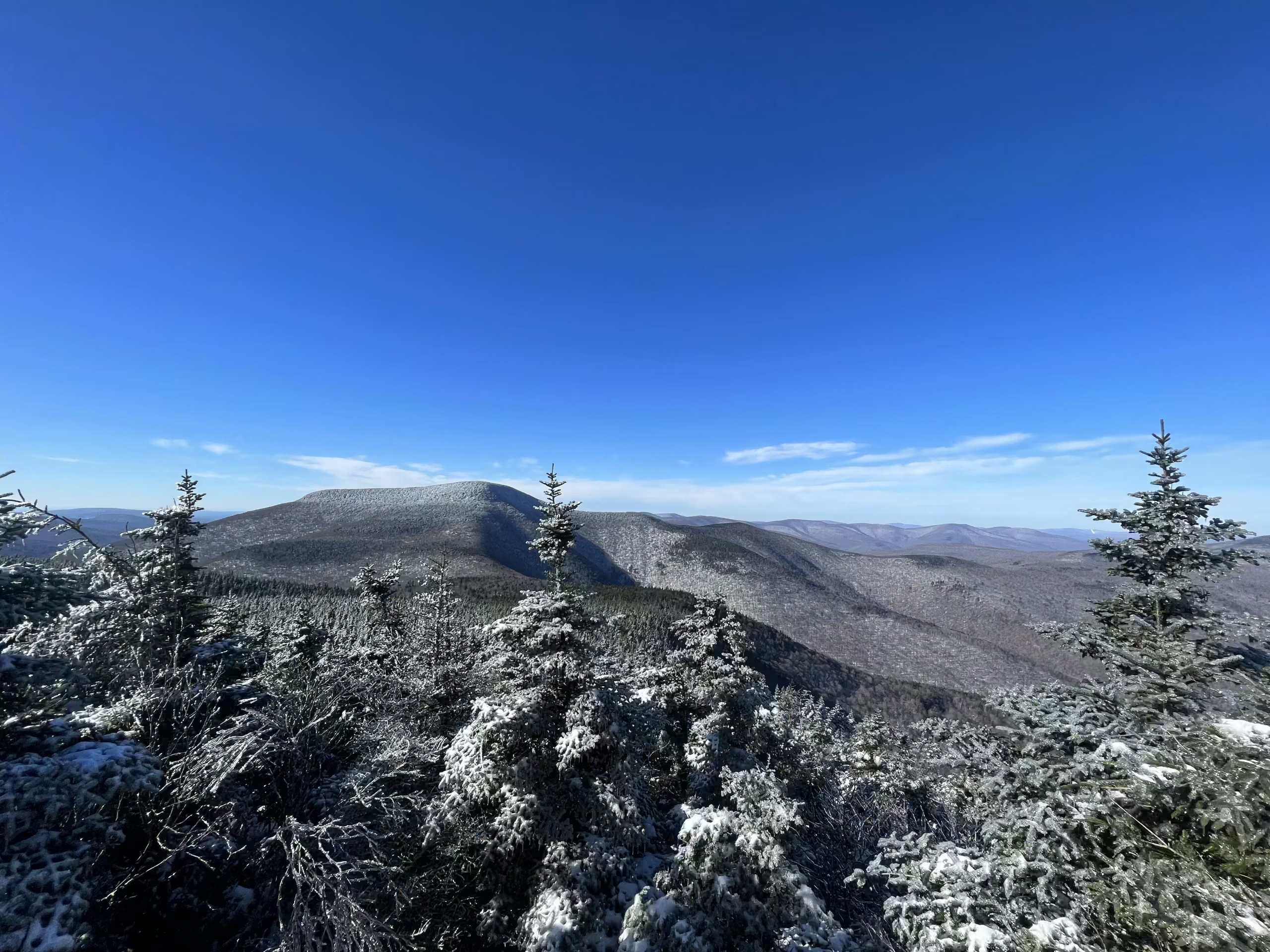
The Devil’s Path Challenge
Detailed Route Description and Key Waypoints
The Devil’s Path, considered one of the most challenging hikes in the Catskills, awaits. The route spans approximately 24.2 miles and traverses six major peaks: Indian Head, Twin Mountain, Sugarloaf Mountain, Plateau Mountain, Hunter Mountain, and West Kill Mountain. Key waypoints include the junctions at Devil’s Tombstone and the lean-tos at Mink Hollow and Diamond Notch, which are ideal for rest and shelter.
Technical Challenges and Exposure Points
As grueling as it is exhilarating, Devil’s Path demands strong technical skills and mental fortitude. The route’s steep ascents and descents require precise footwork and the ability to handle exposure to sheer drops and rugged terrain. Key exposure points include the Devil’s Kitchen, where narrow passages and loose rocks necessitate cautious navigation. The climb up Sugarloaf Mountain stands out for its steep bouldering and the necessity for hand-over-hand scrambling.

Best Seasons and Conditions for Attempting This Route
The optimal seasons for attempting the Devil’s Path are late spring to early fall. During these months, trails are generally dry, and temperatures are moderate. Spring and fall can offer vibrant foliage, making the route undeniably scenic. Early fall, specifically, is often considered the best time due to cooler temperatures and minimal bugs. However, summer attempts should account for water intake and sun protection, while winter hikes demand advanced gear to tackle snow and ice safely. Transitions between seasons can bring unpredictable weather, so always check the forecast and trail conditions before setting out.
Completing the Devil’s Path requires the right preparation, skills, and respect for nature’s unpredictability.
Slide-Cornell-Wittenberg Loop
Route Overview and Navigation Challenges
The Slide-Cornell-Wittenberg Loop is an exhilarating off-trail hike in the Catskills, known for its stunning vistas and demanding terrain. This loop encompasses three major peaks: Slide Mountain, Cornell Mountain, and Wittenberg Mountain. Each peak offers unique challenges and breathtaking views, making it a favorite among seasoned hikers. Advanced navigation skills are essential, as the trail is rugged and often indistinguishable.
Key Features and Scenic Viewpoints
One of the significant highlights of this loop is the panoramic view from Wittenberg Mountain. You’ll witness expansive views of the Ashokan Reservoir and the distant peaks of the Catskills. Cornell Mountain’s distinct rock ledge provides another dramatic viewpoint, perfect for photos. Slide Mountain, the highest peak in the Catskills, offers a sense of accomplishment with its sweeping views and rich history.
Technical Sections and Recommended Approach
The technical sections on this loop require a good balance of physical fitness and careful navigation. The ascent to Slide Mountain is steep and rocky, demanding sure-footedness and stamina. The climb from Cornell to Wittenberg involves scrambling over boulders and navigating narrow passages. It’s advisable to approach this loop during late spring to early fall when the trail conditions are most favorable. Late spring provides ideal weather, while early fall showcases the Catskills’ stunning foliage.
Preparation is key: pack appropriately, carry navigation aids, and ensure you’re well-hydrated. Stay vigilant about trail markers and respect the natural environment throughout your journey.
______



