
Understanding Winter Road Conditions
Winter driving poses unique challenges, primarily due to various road surfaces like packed snow, black ice, and slush. Each surface presents distinct hazards, and recognizing these can be key to staying safe.
Different Types of Winter Road Surfaces
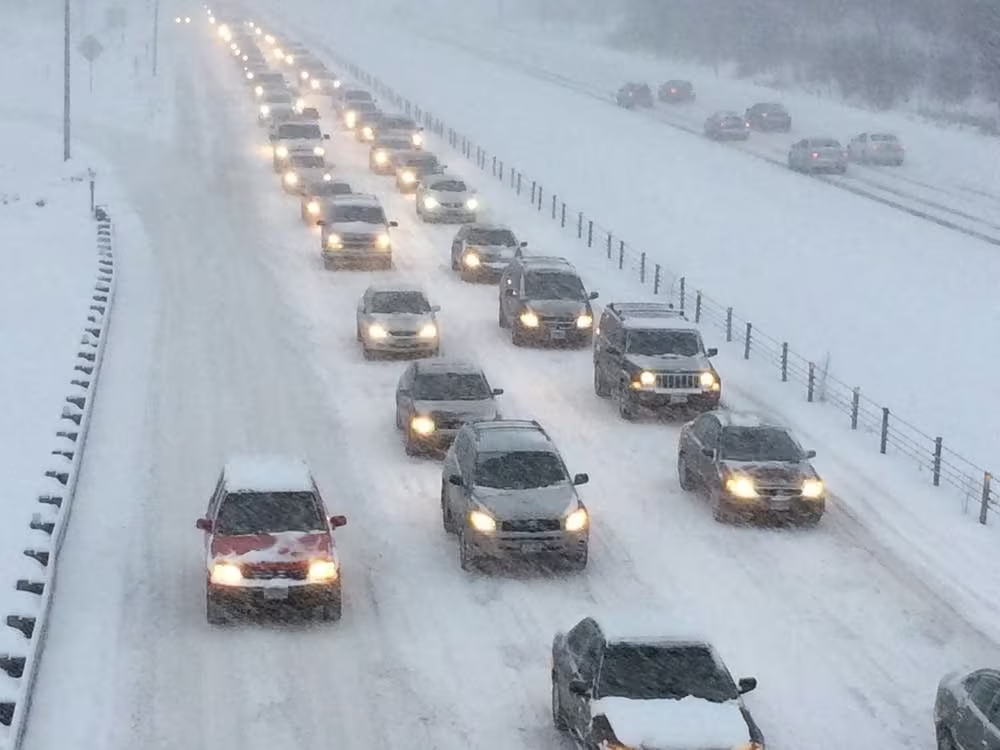
Packed Snow: This surface occurs when snowfall gets compressed by traffic, forming a solid layer. It’s slippery and can reduce traction, especially if temperatures fluctuate and cause intermittent melting and freezing. Driving on packed snow requires slower speeds and gentle maneuvers to avoid skidding.
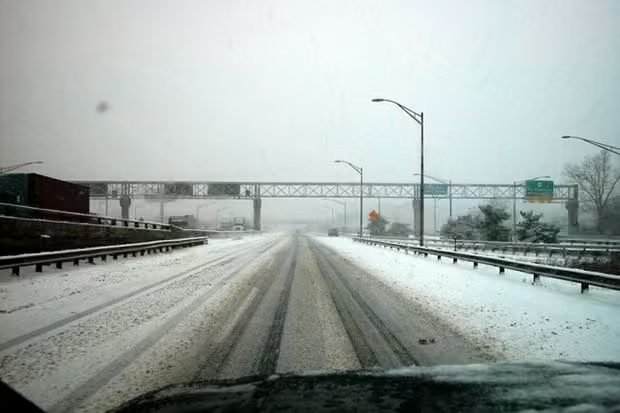
Black Ice: Probably the most treacherous. Black ice forms a thin, nearly invisible layer on the road. It often makes the road look only slightly wet. Commonly found on bridge decks, overpasses, and shaded areas, black ice can lead to a sudden loss of control. Extra caution is needed, and recognizing these potential spots is crucial.
Slush: This loose, water-saturated snow can occur as snow starts to melt. Slush can be very slippery and may also hide deeper layers of ice underneath. It demands reduced speed and mindful steering to navigate safely.
How Temperature Affects Road Conditions and Traction
Temperature plays a central role in determining road conditions. When temperatures hover around freezing, road surfaces can change rapidly from wet to icy. Lower temperatures generally mean more consistent frozen surfaces, while higher temperatures can lead to unexpected melting and refreezing cycles. Drivers should always monitor temperature changes during their journey and adjust their driving style accordingly.
Recognizing Hazardous Areas and Potential Danger Zones
Certain areas are more prone to dangerous conditions due to their nature. Always be cautious:
- Bridges and Overpasses: These freeze first and thaw last.
- Shaded Areas: These may harbor patches of ice even after sunrise.
- Intersections: Frequently face high traffic, leading to compacted snow and potential ice.
Understanding these winter road conditions and how to recognize them can significantly improve your winter driving safety. As you prepare for driving in colder months, remember these insights. They will help you navigate winter roads more confidently and securely.
Essential Winter Vehicle Preparation
Importance of Proper Winter Tires and When to Use Studded Tires
Driving in winter requires special attention to your vehicle’s tires. Proper winter tires are critical for safe driving on icy and snowy roads. These tires have a unique tread pattern. The rubber compound remains flexible in cold temperatures. This provides better grip and handling. Using winter tires can significantly reduce stopping distances and improve overall vehicle control.
When road conditions are extremely icy, studded tires can provide an extra level of traction. They have metal studs embedded within the tread that dig into ice, offering better stability and control. However, it’s important to check local regulations, as studded tires are restricted or prohibited in some areas.
Maintaining Optimal Tire Pressure in Cold Weather
Cold weather impacts tire pressure— for every 10°F drop in temperature, tire pressure can decrease by about 1 PSI. It’s vital to regularly check and maintain your tire pressure during the winter months. Properly inflated tires ensure you have the best possible traction and handling on slippery roads. Under-inflated tires can lead to reduced control and increased risk of blowouts, while over-inflation can decrease traction.
Essential Winter Emergency Kit Components
Preparation is key for winter driving, and having a well-stocked emergency kit can keep you safe during unexpected situations. Your kit should include:
- Warm clothing and blankets to keep you warm if you get stranded.
- An ice scraper and snow brush to keep your windshield and windows clear.
- A small shovel to help dig out of snow if you get stuck.
- Sand or kitty litter to provide traction if your tires are spinning.
- A flashlight with extra batteries to see in the dark.
- High-energy snacks and water to keep you nourished.
- Jumper cables for restarting your battery.
- A first aid kit for minor injuries.
Equip your vehicle with the right tires. Maintain proper tire pressure. Keep an emergency kit on board. These steps will better prepare you to handle the challenges of winter driving.
Basic Winter Driving Techniques
Maintaining a Longer Following Distance for Safety
Driving in winter conditions demands extra caution, especially when it comes to following distance. On dry roads, a three-second gap between you and the car ahead is usually recommended. In winter, you should increase this to at least six seconds to account for reduced traction and longer stopping distances. This extra space gives you more time to react if the vehicle in front makes a sudden stop or a maneuver. Always be mindful of your speed and adjust your following distance based on current road and visibility conditions.
Proper Steering Techniques for Snow-Covered Roads
Steering on snow-covered roads requires smooth and controlled movements. Abrupt steering can easily lead to a loss of control:
- Grip the Wheel Correctly: Place your hands at the 9 and 3 o’clock positions for better control.
- Smooth Inputs: Avoid sudden steering movements. Gradually turn the wheel to prevent skidding.
- Stay in Your Lane: Follow tire tracks made by previous vehicles to maintain traction.
If you start to skid, steer in the direction you want the front of the car to go and avoid panicking.
Smooth Acceleration and Deceleration Methods
Winter driving is all about smoothness to prevent skidding:
- Accelerate Gradually: Press the gas pedal gently. Rapid acceleration can cause your wheels to spin and lose traction.
- Decelerate Slowly: Start braking earlier than you would in dry conditions. This helps maintain control and prevents skidding. Use your vehicle’s anti-lock brake system (ABS) effectively by maintaining a steady pressure on the brake pedal.
Remember, smooth acceleration and deceleration are key to maintaining control on slick and snowy roads.
By mastering these basic winter driving techniques, you will significantly reduce your risk of accidents. You will also enhance your control in various winter conditions.
Keep in mind, there are more advanced techniques that can further improve your ability to navigate winter roads safely.
Handling Emergency Situations
Responding to Skids and Loss of Control
When driving on winter roads, skidding and loss of control can happen in an instant. To respond effectively:
- Stay Calm: Panicking only makes things worse.
- Regain Control by Steering: Look in the direction you want the car to go and steer gently.
- Avoid Braking: If you brake abruptly, you may worsen the skid. Instead, ease off the accelerator and steer smoothly.
Navigating Through Deep Snow and Snowdrifts
Traveling through deep snow requires specific techniques to avoid getting stuck:
- Keep Momentum: Maintain a steady speed without stopping.
- Use Low Gear: This provides more torque and helps in maintaining traction.
- Avoid Sudden Movements: Be gentle with steering, acceleration, and braking to prevent losing traction.
What to Do If You Get Stuck in Snow
Getting stuck in snow is not uncommon, but you can take several steps to free yourself:
- Clear the Area Around Tires: Try to create some space around the tires by shoveling snow.
- Use Traction Aids: Place sand, kitty litter, or car mats under the tires to increase traction.
- Rock the Vehicle: Shift between forward and reverse to create a rocking motion that can help free the vehicle.
Remember that handling emergencies with composure and employing the right techniques is vital for safety. Understanding these key methods ensures you are prepared for the unexpected while driving in winter conditions.
Next up, we’ll delve deeper into essential winter driving skills.
Advanced Winter Driving Skills
Techniques for Climbing and Descending Snowy Hills
When facing snowy hills, steady momentum is your best ally. Use a low gear to maintain a consistent speed, which helps prevent the wheels from spinning. While climbing, avoid sudden accelerations; instead, smoothly apply the gas pedal to keep your vehicle moving forward. If you need to stop on an incline, begin in second gear to reduce wheel spin.
Descending requires even more caution. Shift into a lower gear and use engine braking to control your speed, minimizing the need to apply your brakes. This method helps maintain traction as sudden braking can lead to skidding. Keep both hands on the steering wheel, ready to correct any deviations from your path.
Navigating Corners and Curves in Winter Conditions
Approach corners and curves with care. Reduce your speed before entering the curve to allow for smooth navigation. Steering should be gentle and progressive; sharp, sudden movements can lead to loss of control. Look ahead in the direction you want to go. This aids in steering accurately. It helps in anticipating any adjustments you may need to make.
Maintain a steady pace through the curve, avoiding acceleration or braking. These actions can cause skidding, especially on slippery surfaces. Exiting the curve, continue to steer smoothly, gradually accelerating once you’re on a straight path.
Using Momentum Effectively in Deep Snow
Momentum can be your greatest advantage when driving through deep snow. A gentle, consistent approach to acceleration will help maintain forward movement without causing the tires to lose grip. Allow your vehicle’s natural weight and trajectory to carry you through the snow.
Avoid stopping in deep snow. If you must slow down, do so gently and avoid taking your foot off the gas completely. This prevents you from getting stuck. Should you need to stop, plan your departure route to ensure a smooth start.
Transitioning to understanding winter road surfaces will further enhance your preparedness.
Winter Journey Planning
Checking Weather Forecasts and Road Conditions Before Travel
Before heading out on a winter journey, it’s crucial to check the weather forecasts and road conditions. Weather conditions can change rapidly, and being aware of the forecast can help you prepare for what lies ahead. Look for updates from reliable sources. The National Weather Service or local news stations often provide comprehensive weather updates. Road conditions can be equally important, as snow, ice, and slush can make travel dangerous. Websites such as your state’s Department of Transportation often provide real-time road conditions, including road closures and hazardous areas.
Planning Alternative Routes and Emergency Stops
Having a well-thought-out plan can make a big difference during winter travel. First, plan alternative routes in case your primary route becomes impassable due to snow, ice, or accidents. Applications like Google Maps and Waze can offer real-time alternative routes based on traffic and road conditions. Additionally, identify potential emergency stops. These could be rest areas, gas stations, or towns along your route where you can seek shelter if conditions worsen.
Communication Protocols for Winter Travel Safety
Communication is key when traveling in winter weather. Before you leave, let someone know your travel plans, including your route and estimated arrival time. This way, if you run into trouble, someone will be aware and can send help if needed. Keep a fully charged mobile phone with an in-car charger in case of emergencies. It’s also essential to keep a contact list with numbers for roadside assistance. Include local towing services and emergency services in it. Ensure these contacts are readily available.
By planning ahead, staying informed, and communicating effectively, you can ensure a safer winter journey. Remember, preparation is key to navigating winter road conditions successfully.



