
Introduction to American Shad Fishing
Meet the American Shad
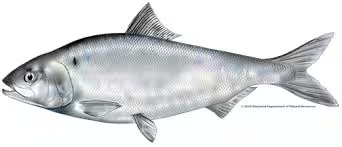
The American Shad is a migratory fish known for its exciting spring run up the Upper Delaware River. Each spring, these silvery fish leave the Atlantic Ocean and travel upstream to their spawning grounds. The sight of thousands of lively shad surging through clear water is thrilling for any angler, and their reputation as a hard-fighting fish only adds to the excitement.
A Great Start for Beginners
Shad fishing on the Upper Delaware is ideal if you’re just getting started. The gear is simple and affordable, with ultralight rods, small spinning reels, and a handful of classic lures. The run offers regular action, so you have plenty of opportunities to learn, improve, and catch fish. The river’s easily accessible banks and gentle flows provide a friendly introduction to river fishing, while still offering enough challenge to keep things interesting.
What You’ll Learn in This Guide
This guide is designed to walk you through the best baits and the essential gear for a successful American Shad trip. You’ll discover why shad darts and spoons are the gold standard, learn how to choose the right rod and line, and pick up tips to improve your catch rate. By the end, you’ll feel confident in your tackle box and have the know-how to enjoy your shad fishing adventure.
Understanding the fish’s migration and behavior is key to getting the most from the spring run.
Understanding the American Shad Spring Run
Seasonal Timing of the Shad Run
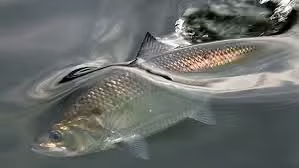
Each spring, American Shad make a remarkable journey up rivers like the Upper Delaware to spawn. This annual migration typically kicks off in March as warming temperatures signal the start. The run peaks in April and May, when the greatest numbers surge upstream, and can continue through early June. Timing your fishing trip to coincide with these months means you’ll see the river come alive with activity.
How Water Temperature Impacts Shad Activity
Water temperature plays a huge role in shad movement. As rivers warm above the low 50s Fahrenheit, shad start to push upstream in greater numbers. Cool spells or sudden drops in temperature can slow the run or make the fish less likely to bite. On the flip side, consistent, gradual warming will often trigger large schools to enter the river and begin their journey. Experienced anglers watch the weather and river gauges closely to plan their outings for those optimal stretches.
Shad Behavior During the Spawning Migration
During their upstream run, American Shad are laser-focused on reaching their spawning grounds. You’ll often find them traveling in groups, sticking close to current seams and the calmer edges of fast water. They rarely feed aggressively but will strike at brightly-colored lures out of irritation or reflex. Shad may rest in deeper pools or behind obstacles before pushing further upriver, making those spots prime fishing areas. Watching for rolling or jumping fish can help you zero in on where they’re holding for your next cast.
With the timing and behaviors of the shad spring run in mind, you’re ready to prepare the right gear for a successful day on the water.
Essential Gear for Beginner Shad Anglers
Choosing the Right Rod
For American Shad fishing, especially on the Upper Delaware, an ultralight or light action spinning rod is your best friend. These rods make it easier to feel those subtle taps shad are known for during their migration. A rod length between 6 and 7 feet gives you the right balance of casting distance and control. The lighter setup also adds to the fun—shad are known for their spirited fights, and a light rod lets you enjoy every head shake and run.
Selecting the Best Spinning Reel and Line
Pair your rod with a smooth, lightweight spinning reel for seamless casting and quick retrieves. Look for a size 1000 to 2500 reel—big enough to handle the fish but not too bulky for comfort. The ideal line for shad is a 6-pound test monofilament. This type of line offers enough strength while maintaining a thin diameter, which helps your lures run deeper and keeps your presentation natural.
Must-Have Accessories
A few handy accessories can make your day much easier. Bring a small landing net, since shad have delicate mouths and can easily shake off the hook if lifted by the line. Polarized sunglasses help you cut glare and spot fish or underwater obstacles. Don’t forget a light pack or vest to carry extra darts, spoons, pliers, and a pair of scissors. Dress in layers—the river’s weather can change quickly in spring.
Having the right setup sets you up for success and lets you focus on the real fun: learning the secrets of catching American Shad.
Shad Darts: The Go-To Lure
Why Shad Darts Are So Effective
Shad darts have stood the test of time as the top choice for American Shad fishing. Their small, tapered body and lead head let them flutter naturally in the current. This flutter mimics the movements of baitfish, enticing shad to strike even when they aren’t actively feeding. Anglers appreciate their ability to cast well, cover water efficiently, and hold up against the current.
Picking the Right Size, Color, and Weight
Choosing the best shad dart depends on the river conditions. In the Upper Delaware, lighter weights (1/32 to 1/16 ounce) work great when the water is calm or low, letting the dart drift naturally. Heavier darts (up to 1/8 ounce) are better for high, fast water. For colors, chartreuse, white, pink, and bright yellow are classic standouts. On clear days, natural or subtle tones often produce more bites, while murky water calls for something bold and easy to see.
How to Fish Shad Darts Like a Pro
Start with a steady, moderate retrieve. Cast upstream or across the current, let the dart sink, and let it drift while keeping your line just tight enough to feel a subtle tap or bump. Most strikes feel light, so pay attention. Adjust your retrieve speed and lift your rod slightly to keep the dart bouncing just above the river bottom—where shad are most likely to bite.
With shad darts in your arsenal and a feel for their subtle strikes, you’re ready for the next step in shad fishing success.
Spoons: Another Shad Fishing Essential
Best Spoon Types for Shad
Spoons are another classic lure favored by shad anglers, especially when darts aren’t getting attention. The most effective spoons are usually small, lightweight, and designed to flutter with the current. Look for narrow-profile spoons in the 1/16- to 1/8-ounce size range. Silver and gold finishes are popular since they reflect light and imitate small baitfish. Smooth, unpainted finishes often outshine painted patterns, but a touch of color—like a red or chartreuse accent—can also help in stained water.
Presentation Techniques
Casting across or slightly upstream lets your spoon drift naturally with the current. Keep your rod tip low and retrieve slowly, just fast enough to make the spoon wobble. This fluttering action draws the attention of passing shad. Pausing now and then or varying your retrieve speed can trigger reluctant fish to strike. The key is subtlety—shad are not aggressive, so avoid dramatic jerks or fast retrieves.
Choosing the Right Spoon for Conditions
Water clarity and depth should guide your spoon selection.
- In clear water, stick with silver or subtle finishes that mimic natural prey.
- For stained or muddy water, brighter finishes or those with added flash help the lure stand out.
- In deeper pools or faster current, go up in spoon weight to reach the right depth and maintain good action.
Spoons let you cover water efficiently when shad are scattered or moving quickly through a section. With the right size and presentation, they round out your tackle box and improve your odds when traditional darts aren’t producing.
Next, let’s look at other productive lures that broaden your approach to shad fishing.
Alternative Productive Lures
While shad darts and spoons are the staples, sometimes shad can be finicky, making alternative lures worth a try. Spinnerbaits, for instance, shine when shad are scattered or less responsive. Opt for small inline spinners in bright colors; cast upstream and let the current do the work, keeping your retrieval steady so the blades spin and flash, mimicking small fleeing baitfish.
Swim jigs and soft plastic swimbaits offer a different look and action. Use subtle, natural colors in clearer water and a gentle, rhythmic retrieve to mimic shad or minnows. Pairing these with small jig heads can also help get the right depth and movement.
For days when bites are slow, try combination rigs. Popular setups include tandem rigs—two small lures about 12 inches apart—or pairing a shad dart with a smaller spoon. This lets you experiment with size and color in a single cast, increasing your chances. Mix in these alternatives to keep your approach fresh and the action steady throughout your outing.
With your lure selection dialed in, the next step is knowing where to put them for the best results.
Finding Prime Fishing Locations
Scouting Productive River Sections
When fishing for American Shad on the Upper Delaware, knowing where to start makes all the difference. Productive spots often include long, gentle pools with a moderate current and easy access to deeper water. Gravel bars, points, and the mouth of tributaries can draw shad as they migrate upstream. Keep an eye out for stretches just below riffles, where the oxygen-rich water and slower flow offer resting points for shad making their journey.
Spotting Juvenile Shad Congregation Zones
Juvenile shad prefer quieter backwaters and side channels, staying close to these calmer spots to avoid predators. Look for shallow bays and eddies behind large rocks or fallen trees—these locations give young shad safety and easy access to food. Near dusk or dawn, small groups of juveniles often surface in calm pockets, creating subtle ripples or flashes. Observing this activity can clue you in to the presence of larger adult shad nearby.
Reading Water Features for Shad Holding Areas
The ability to read the river is key for consistently catching shad. Watch for seam lines where fast and slow water meet; shad often hold along these edges to conserve energy. Deeper holes downstream of riffles or islands act as rest stops on their upstream path. Pay attention to any disturbance or swirl along the surface—these cues might indicate active fish just below. If strike activity slows down, try adjusting your position upstream or downstream to find new holding spots.
With a sharp eye and a bit of patience, you’ll quickly start to pinpoint the stretches where shad like to gather most. Understanding the river’s features will set you up for more successful outings as you hone your approach.
Adapting to Changing Water Conditions
Adjusting Approach for Water Clarity and Flow
River conditions can shift quickly, especially during the unpredictable spring run. On clear days, shad will be wary. Choose subtle, natural lure colors and keep your line light. Cast further and use a slower retrieve to avoid spooking fish. In murky water, go bold—brighter lures like chartreuse or pink stand out and catch the fish’s attention. If heavy rain raises water levels, opt for heavier shad darts or spoons to keep your bait in the strike zone. Slow down your retrieve, as shad can get less aggressive in faster, muddier flows.
Stage-Based Tactics for the Spring Run
Throughout the spring, shad behavior evolves. Early in the run, fish are fresh and actively migrating, often striking moving lures out of instinct. Use quicker, higher casts and cover more water. When the run peaks, crowds of shad pause in deeper pools or seams. Focus on these holding spots using vertical or slightly upstream retrieves. As the season winds down and water warms, shad become finicky. Downsizing your lure and using a very gentle presentation can entice late spawners.
Weather Patterns and Fishing Success
Weather matters. A sudden cold snap can slow shad activity, making them less eager to strike. Give them time to adjust, or target afternoons when water warms up. After rainfall, rivers can rise and cloud up—switch to heavier lures and brighter colors. Calm or warming trends generally mean improved odds, with shad feeding more consistently.
Staying flexible and adapting your setup to the changing environment can make the difference between a slow day and an exciting haul. With a keen eye for river conditions and willingness to adjust, you’ll be ready to handle whatever the Upper Delaware throws your way.
Avoiding Common Beginner Mistakes
Typical Lure and Presentation Errors
Many new shad anglers make the mistake of using lures that are either too large or in the wrong color for water conditions. Oversized lures won’t entice these finicky fish, while colors that are too drab or too bold may not trigger strikes. Sticking with proven sizes—like 1/16- to 1/8-ounce shad darts and spoons—builds confidence and produces results. Retrieve speed is also crucial; going too fast lifts the lure above the shad, while going too slow lets it snag bottom or drift unnoticed. Always experiment with speed until you find the rhythm that works.
Gear Choices That Hold You Back
Choosing the wrong rod, reel, or line can frustrate beginners. Heavy gear makes it hard to detect subtle strikes, which shad are famous for. A light or ultralight spinning rod paired with a small reel and 6-pound monofilament helps you feel every bite. Too thick a line spooks fish in clear water and reduces lure action. Carrying a bulky tackle box or skipping handy accessories like polarized sunglasses or a landing net can also make your trip less enjoyable and less successful.
Staying Stealthy in Clear Water
Spooking shad is easy, especially in clear spring flows. Walking heavily on banks, casting thick shadows, or making loud movements can send fish scattering. Approach the river quietly and avoid wading right into prime holding water. Cast from a distance when possible, use subtle lure colors, and keep gear movements slow and low. This way, you’ll see more bites and experience better fishing all season long.
Let’s bring together the knowledge you’ve built so far to set yourself up for rewarding days on the water.
Conclusion: Putting It All Together
Recap of Must-Have Lures and Gear
Getting started with American Shad fishing is all about having the right setup and keeping things simple. Ultralight or light action rods paired with a 1000–2500 size spinning reel are ideal. Use 6-pound test monofilament for the best balance of sensitivity and strength. Shad darts remain your go-to lure, with bright colors for murky water and subtle hues for clear conditions. Spoons in silver, gold, or chartreuse are also dependable, while spinnerbaits and small swimbaits are great options when fish get finicky. Don’t forget handy extras: a wading net, polarized sunglasses, and a few layers of clothing.
Seasonal Game Plan for Your First Shad Outings
The spring run kicks off as water temps rise, usually between March and June. Target shad during mild, overcast days and focus efforts in deeper, slower water when the river runs high, or move to faster riffles as levels drop. Try different lures and retrieve speeds if the action slows. Adjust your spots and techniques based on current, clarity, and fish movement. Flexibility is key—don’t be afraid to switch it up as conditions change.
Extra Tips for Beginners
Start at simple, accessible areas. Cast upstream or across the current and let your lure flutter naturally. Use a gentle retrieve—many beginners make the mistake of reeling too fast. Always tread carefully, especially in clear water, to avoid spooking shad. Stay patient and don’t get discouraged by slow moments; each trip builds your skill and familiarity with the river. Enjoy learning, experimenting, and celebrating each catch along the way.