
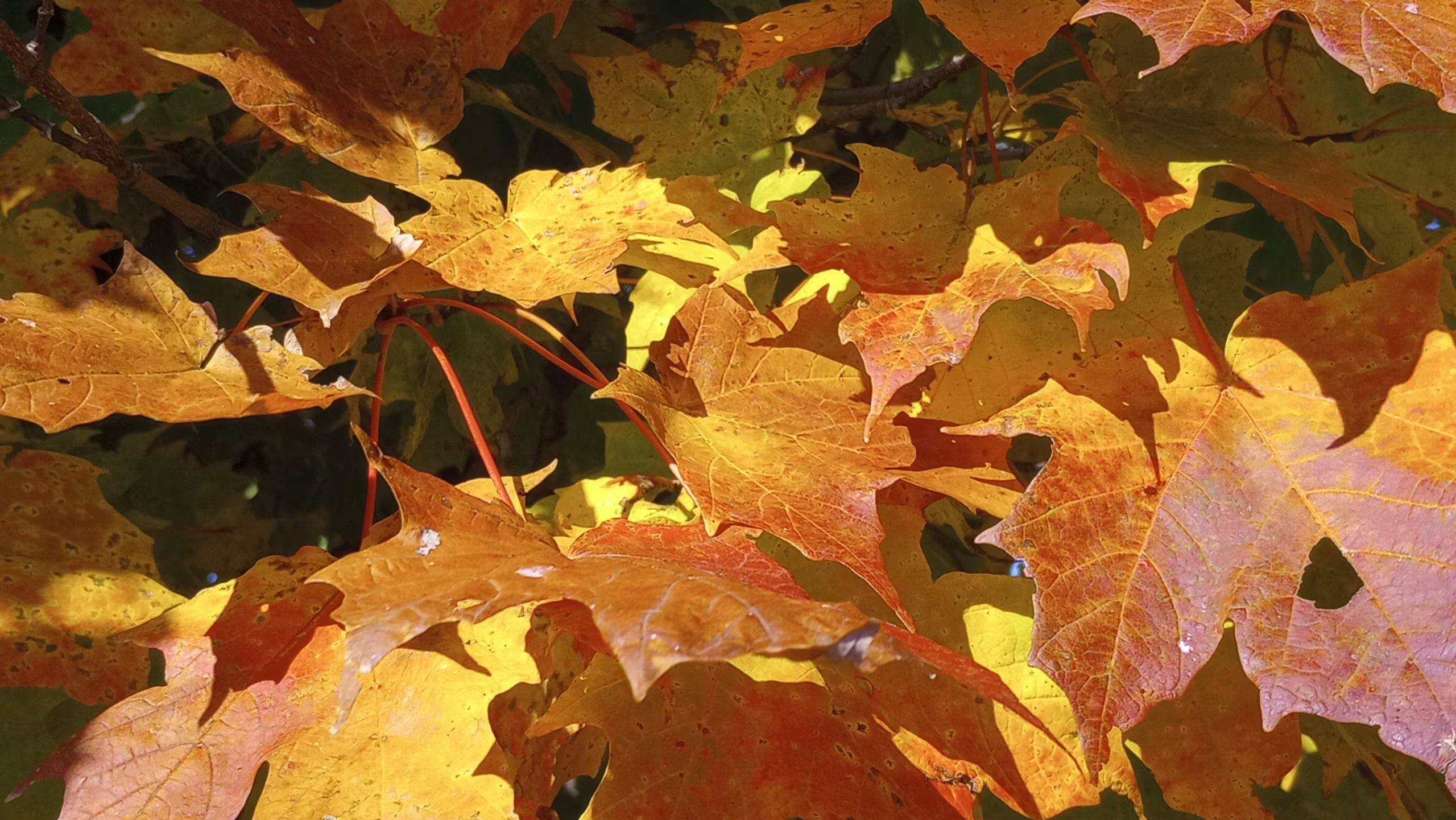
We are having a stellar foliage season, just now reaching its peak in Hancock, NY, and the Upper Delaware Valley. Ever wonder what makes some years more striking than others?
The vibrancy and duration of autumn foliage colors can vary significantly from year to year, with some seasons producing more spectacular displays than others. Several factors contribute to these differences:
Weather Conditions
Weather plays a crucial role in determining the quality of autumn foliage:
Temperature: A succession of warm, sunny days and cool, crisp (but not freezing) nights tends to produce the most brilliant autumn colors. This combination promotes the production of anthocyanins, which are responsible for red and purple hues.
Moisture: The amount of rainfall during the growing season and autumn affects color intensity. A moderate amount of moisture is ideal, while drought can lead to early leaf drop and muted colors
Timing of Environmental Changes
The onset and progression of autumn conditions influence foliage quality:
Frost: Early frosts can weaken color production, while a gradual transition to cooler temperatures allows for better color development.
Day Length: The timing of shorter days triggers the color change process, which varies by species and location.

Tree Health and Stress
The overall condition of trees impacts their ability to produce vibrant fall colors:
Summer Conditions: A healthy growing season with adequate rainfall promotes better fall color potential.
Stress Factors: Drought, disease, or pest infestations can lead to premature leaf drop or poor color development.
Species Composition
The mix of tree species in a given area affects the overall autumn display:
Genetic Factors: Different tree species have varying genetic potential for producing fall colors, especially reds and purples.
Species Diversity: Areas with a diverse range of deciduous trees tend to have more varied and longer-lasting color displays.
Chemical Processes
The balance of pigments within leaves determines the final color display:
Chlorophyll Breakdown: The rate at which chlorophyll degrades affects how quickly other pigments become visible
Sugar Accumulation: Bright, sunny autumn days promote sugar production in leaves, which enhances red pigment formation
In summary, the best autumn foliage years typically result from a combination of favorable weather conditions, including a warm, wet spring, a mild summer, and a fall with sunny days and cool nights. These conditions, coupled with healthy trees and a diverse species mix, create the perfect recipe for a vibrant and long-lasting autumn color display.
______



