
Introduction: The Conservation Conundrum on the Beaver Kill
The Heart of a Legendary Trout Stream
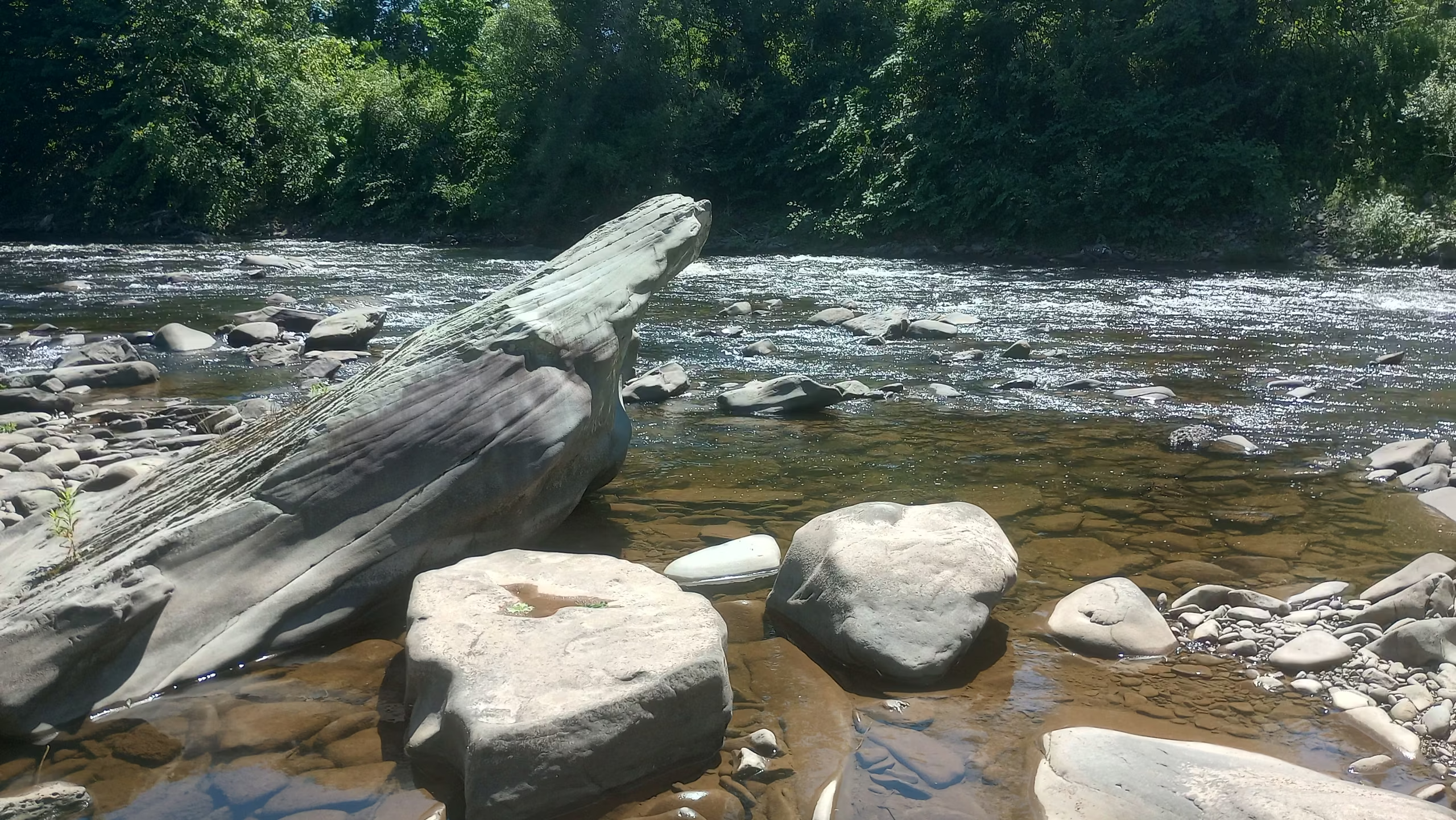
The Beaver Kill is a gem for trout anglers, famed for its wild and stocked trout populations. For generations, this river has stood as a beloved testing ground for fly fishing traditions and conservation efforts. Its cool, clear waters are not just beautiful—they are vital for sustaining healthy trout populations and the culture built around them.
A Divided Conversation
Among anglers, the debate is ongoing. Some are devoted catch and release purists, believing returning every fish is essential for keeping stocks strong. Others, harvest advocates, see value in taking a limited number of fish home, arguing it helps balance the population and supports time-honored traditions.
Searching for Middle Ground
While both perspectives make sense, neither catches the whole story alone. Strictly focusing on only one approach can sometimes harm the stream’s health or alienate parts of the community. A balanced approach—one that honors both careful release and smart, selective harvest—just might offer the most sustainable path forward for the Beaver Kill and its future.
Next, we’ll explore how these conservation ideas have evolved over time.
The History and Evolution of Trout Conservation Practices
The Rise of Catch and Release
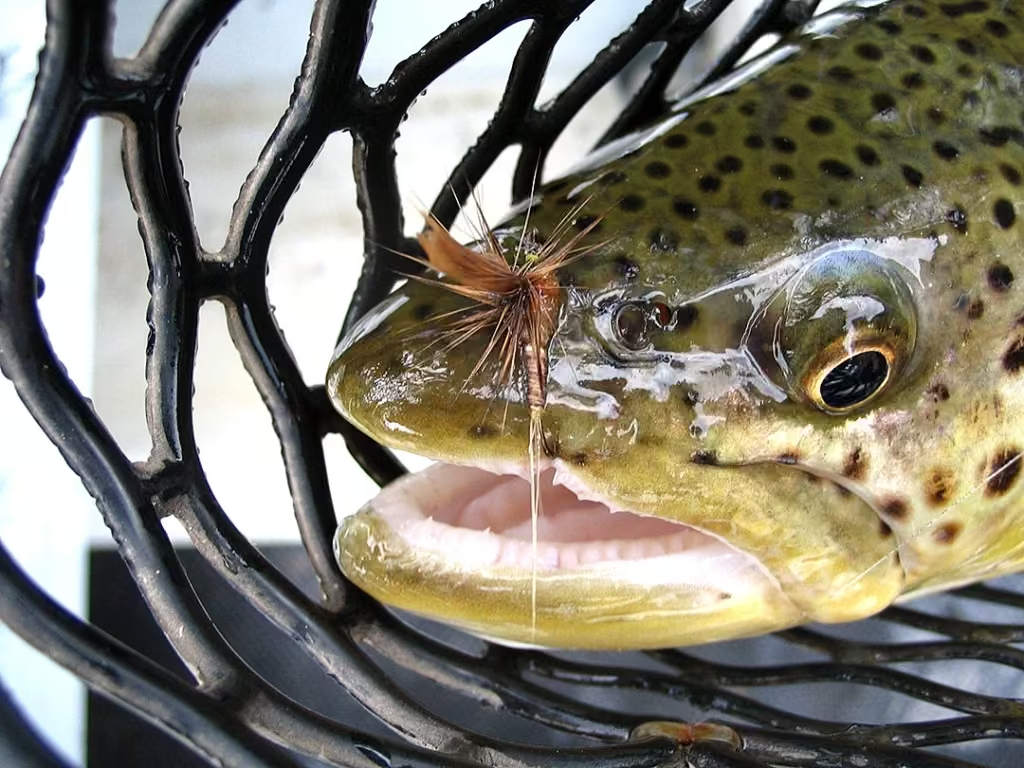
Modern trout conservation owes much to the catch and release philosophy. Decades ago, many anglers saw fishing as a way to bring home dinner. Over time, as trout fisheries like the Beaver Kill grew popular, pressure on fish stocks increased. Conservation-minded anglers began releasing what they caught. This helped populations recover and let more people share the resource. Today, catch and release is celebrated for giving trout a fighting chance while keeping fishing traditions alive.
The Roots of Selective Harvest
Before catch and release became widespread, selective harvest was the norm. Fisheries managers understood that healthy populations sometimes benefit if a limited number of fish are removed. Taking fish, when done carefully, kept ecosystems balanced and prevented overcrowding. The tradition of taking only what would be eaten showed early awareness that the resource wasn’t limitless.
Changing Conservation Attitudes
Attitudes toward conservation have changed as angler knowledge and science advanced. Many now see value in both catch and release and selective harvest, depending on conditions. The goal has shifted—from maximizing harvest, to ensuring the long-term health of trout and their habitats. This evolving perspective shapes how fisheries like the Beaver Kill are managed today, blending old wisdom with new approaches to meet modern conservation challenges.
Now, all eyes turn to real-world examples: what happens when conservation strategies miss the mark?
Case Study: When Catch and Release Goes Wrong
The Sebago Watershed Experience
The Sebago watershed set out to protect its trout through strict catch and release. The intent was good—many believed releasing every fish was the surest way to conserve the population. For a while, trout numbers held steady. But over time, hidden problems cropped up.
Unintended Consequences
Without any harvest, the trout population became crowded. Larger, aggressive fish began to dominate, limiting survival for younger trout. Some fish showed signs of stress and stunted growth. More fish shared limited food and shelter, leading to fierce competition. The ecosystem tipped out of balance. Instead of thriving, the fishery stalled and quality declined.
Lessons Learned
This experience showed that one-size-fits-all conservation can backfire. Relying purely on catch and release ignored the system’s carrying capacity and natural checks. Effective management means paying attention to how different strategies play out on the water, and being flexible enough to adapt when conditions change.
Balanced approaches, informed by ongoing observation, can help maintain healthier fisheries for anglers and the ecosystem alike.
The Science Behind Successful Trout Release
Mastering Catch and Release for Trout Survival
For trout conservation to make a difference, technique matters. When done right, catch and release can lead to trout surviving at rates close to 99%. Small changes in how anglers handle fish make a huge impact.
Quick and gentle handling is key. Use barbless hooks so fish can be unhooked easily. Keep the fish in the water as much as possible—lifting them out stresses them and reduces survival rates. Wet your hands before touching trout to protect their slime layer, which is their natural defense against disease.
Temperature plays a big role, too. Warm water holds less oxygen, so trout struggle more after being caught. Anglers should avoid fishing when temperatures soar, or move to colder spots in the watershed.
Hook choice is another factor. Single, barbless hooks cause fewer injuries than treble or barbed ones. Fast release and careful attention to these details make a real difference.
By understanding and applying these science-backed practices, anglers can help ensure healthy trout stocks, setting the stage for further discussions on how selective harvest can also benefit the ecosystem.
Strategic Harvest: When Taking Fish Benefits the Ecosystem
When Harvest Improves Fish Populations
Not every trout needs to be released for a stream to thrive. In rivers like the Beaver Kill, trout populations sometimes grow dense. When too many fish compete for limited food and habitat, growth slows and health declines. Selective harvest—taking a few fish when populations swell—prevents overcrowding and stunted trout. By thinning out the numbers, bigger and healthier fish can flourish. Strategic harvest also helps balance trout with other species, preserving the river’s broader ecosystem and encouraging more resilient populations over time.
Finding the right balance between harvest and release supports both the river’s health and angler enjoyment.
Post-Stocking Management: Protecting Vulnerable Fish
Stocking Challenges and Guidelines
After trout are stocked in the Beaver Kill, these fish face serious hurdles. Stocked trout often lack the survival instincts of their wild counterparts. They are less savvy about avoiding predators and finding shelter, making them more vulnerable right after release. New York state recommends a short harvest prohibition period after stocking events. This pause gives stocked trout critical time to adapt, which boosts their survival chances and overall stream health.
Finding the Right Balance
Post-stocking periods are a balancing act. On one hand, anglers are eager to fish. On the other, immediate heavy harvest can wipe out freshly stocked fish before they even settle in. Setting a brief no-harvest window lets these vulnerable trout acclimate, reducing early losses without cutting off recreational access for long. Respecting these windows means more trout survive—giving everyone more robust fishing as the season progresses.
Supporting Both the Fishery and Anglers
Effective post-stocking management isn’t about locking anglers out. Instead, it protects vulnerable trout for a short time when they need it most. This helps build a healthier, more resilient trout population. When anglers understand and follow these guidelines, it benefits both the fish and everyone who enjoys fishing the Beaver Kill.
With these strategies in place, managers can address the unique needs of the river and its fish. The next step is considering how local conditions shape conservation strategies, recognizing that each watershed brings its own set of challenges and solutions.
Watershed-Specific Approaches: One Size Doesn’t Fit All
Understanding Unique River Dynamics
Every trout stream has its quirks. The Beaver Kill, for example, is famous not just for its trout but also for the way its flow, structure, and temperature vary from season to season. These factors shape trout behavior and survival. So, any one-size-fits-all management plan would fall short. Local characteristics always matter.
Comparing Conservation Needs Across Watersheds
Some rivers need stricter limits to protect fragile wild fish. Others might benefit from careful harvest to reduce overcrowding, letting bigger and healthier trout thrive. A nearby river with different flows or temperatures may need very different regulations. What works for the Beaver Kill could be totally wrong for another stream with a different set of challenges.
The Value of Local Knowledge
Anglers and local experts play a crucial role. They notice patterns, like when fish seem stressed or when a stretch of river is heavily fished. Their input helps shape rules that match what a specific river needs right now—not just what a textbook says. Staying tuned in locally ensures solutions keep up with the river’s changing conditions.
By rooting conservation efforts in local realities, anglers and managers lay the groundwork for fisheries that can adapt and thrive, whatever comes next.
Climate Change: The Growing Threat to Cold Water Fisheries
Rising Temperatures and Trout Survival
Warming temperatures are putting serious pressure on trout populations in rivers around the world. Trout, especially brown, brook, and rainbow species, need cold, well-oxygenated water to thrive. Even a few degrees of increase can reduce dissolved oxygen, making survival tougher for these fish. The impact doesn’t stop at health—trout also eat less and grow more slowly as water temperatures rise.
Unique Vulnerabilities of Beaver Kill Trout
Brown, brook, and rainbow trout each face risks as waters warm. Brook trout, in particular, are sensitive to temperature changes and may be the first to disappear in heavily affected stretches. Rainbow and brown trout fare better, but they too struggle when oxygen drops and stress rises. On the Beaver Kill, these effects are magnified during hot, dry summers when flows are low and shade is limited.
Projected Future Impacts
Looking ahead, scientists predict that climate change will further stress cold water rivers like the Beaver Kill. Warmer, longer summers and unpredictable rainfall could shrink trout habitat and force fish into smaller, crowded zones. This will not only impact fishing opportunities but could lead to a decline in wild trout populations if water temperatures regularly climb above safe thresholds.
Anglers and resource managers will need creative strategies to help the Beaver Kill’s trout weather these uncertain times.
Adapting Angler Practices for a Warming World
Seasonal Adjustments for Responsible Fishing
As water temperatures rise through spring and summer, trout become more stressed and less able to recover from capture. On warm days, shifting fishing times to early morning or late evening, when streams are coolest, can help reduce trout mortality. If river temperatures start to approach 68°F or higher, many anglers voluntarily take a break, giving the fish a needed reprieve during critical periods. Adapting your habits to water conditions prevents harm and protects fragile populations.
Low-Impact Methods When It’s Hot
Alternative fishing methods can make a real difference. Barbless hooks speed up the release process, limiting handling. If you use fly fishing gear, consider single-hook flies over treble hooks—they’re easier to remove and less damaging. Wetting your hands before handling trout, keeping them in the water, and releasing them quickly all help minimize stress during warm spells.
Knowing When to Walk Away
No fish is worth risking a whole population. If you notice lethargic trout, unusually low flows, or rapid rises in water temperature, it’s best to stop fishing until conditions improve. This self-regulation builds a strong fishing community, focused on the river’s long-term health.
Collective action from anglers, in making mindful choices during challenging conditions, plays a vital role in trout conservation and supports a thriving ecosystem.
The Angler’s Role in Conservation: Beyond Catch and Release
Supporting Habitat and Restoration
Protecting the Beaver Kill goes beyond just fishing practices. Anglers can help by joining local river cleanups and volunteering for streambank plantings. Healthy banks prevent erosion, provide shade, and keep water temperatures in the safe range for trout. Simple actions, like picking up litter or reporting broken fences, make a visible difference in the ecosystem’s health.
Citizen Science and Monitoring
Many hands make light work when it comes to monitoring streams. Anglers can assist in tracking stream temperatures, water levels, and the presence of invasive species. Sharing findings with local organizations helps experts adapt management strategies. Even logging catch data aids scientists in understanding changes within the fishery.
Advocacy for Science-Based Management
As active users of the river, anglers are in a unique position to advocate for rules that protect both fish and their habitat. Supporting science-based policies, such as restrictions during vulnerable periods, helps keep the Beaver Kill’s ecosystem balanced. Engaged anglers can contact officials, attend meetings, or simply spread awareness within the fishing community.
Through hands-on stewardship and informed support, anglers strengthen the foundation for a healthier fishery, ensuring the river’s rich legacy endures.
Conclusion: Toward a Sustainable Future for the Beaver Kill
Embracing Adaptive Management
For the Beaver Kill to thrive, the path forward lies in flexible strategies that can respond to change. Fisheries management is not static—environmental conditions, angler pressures, and fish populations shift from year to year. Adaptive management means learning from both successes and setbacks, then updating practices as new information comes in.
The Benefits of Balanced Conservation
Striking a balance between catch and release and selective harvest leads to healthier rivers and more resilient fish populations. This approach helps prevent overcrowding, supports natural growth cycles, and keeps the ecosystem in check. When anglers, managers, and scientists work together, the fishery and its surrounding environment both benefit.
An Active Role for Every Angler
The future health of the Beaver Kill hangs on collective action. Anglers can make a real difference by following up-to-date regulations, advocating for habitat protection, and staying curious about the science behind conservation. Being an informed conservation partner means recognizing the river as a living system—one that needs our stewardship today more than ever.



