
Introduction to Winter Fly Fishing
Understanding the Unique Challenges of Winter Fly Fishing
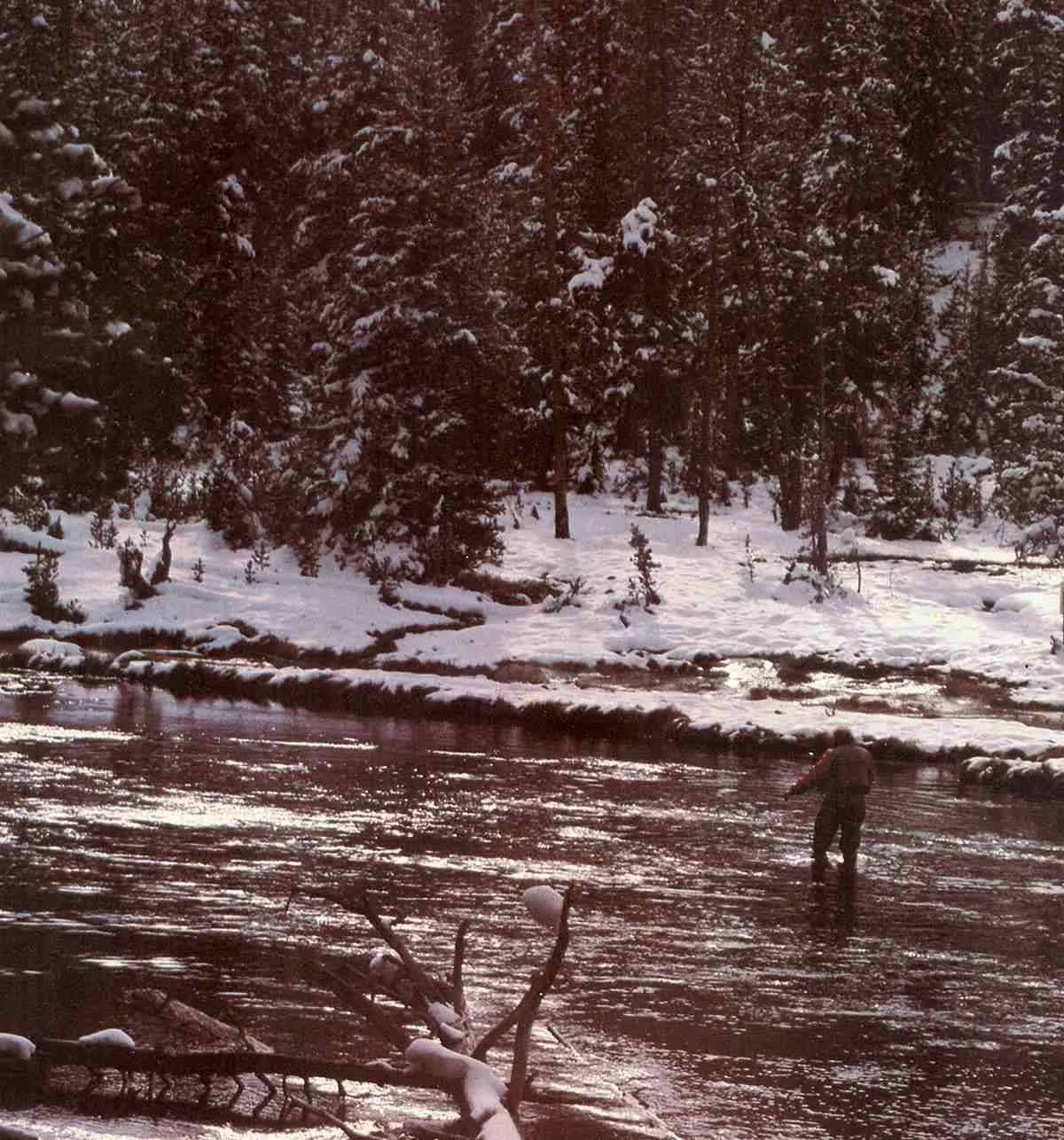
Winter fly fishing presents distinctive challenges that are not as prevalent during other seasons. Cold temperatures can significantly reduce the fish’s metabolism, making them less active. As a result, fish are more selective about where they hold and feed, and they often move to deeper, slower waters. Ice and snow can lead to difficult and slippery conditions, complicating access to fishing spots and requiring greater awareness and caution.
Benefits of Fishing During the Off-Season
Winter fly fishing offers several benefits. The off-season typically means fewer anglers on the water, providing a more serene and solitary experience. This can be particularly appealing for those seeking peace and quiet in nature. Additionally, winter fishing can yield larger, more mature fish that might be tucked away in deep pools, awaiting the spring thaw.
Importance of Proper Preparation and Safety
Proper preparation and safety are paramount for winter fly fishing. Dressing in appropriate layers, including Marino wool base layers, is essential to stay warm and dry. Protecting against hypothermia and frostbite by using waterproof, insulated outerwear is critical. Always check weather forecasts and plan accordingly. Inform someone of your fishing location and expected return time to ensure help can reach you if needed.
Winter fishing can be highly rewarding, but understanding the unique challenges, appreciating the benefits, and prioritizing preparation and safety will ensure a successful and enjoyable experience.
Optimal Timing and Conditions
Best Fishing Window Between 10 AM and 3 PM
Winter fly fishing demands strategic timing due to the lower temperatures. The optimal window lies between 10 AM and 3 PM. During these hours, the sun is at its peak, gradually warming the water after the chilly night. Fish are more active in slightly warmer temperatures, making this window the best for a productive outing.
Identifying Ideal Water Temperatures
Understanding water temperature is crucial. Aim for temperatures between 38°F and 45°F. Fish metabolism slows in cold conditions, but at this range, they remain active enough to feed. Carry a portable digital thermometer to regularly check water temperature, ensuring you adjust your fishing spots accordingly.
Reading Winter Water Conditions
Reading the water correctly affects success rates. Look for areas where the water moves slower. These spots offer a refuge for fish conserving energy. Deep pools, eddies, and areas near structures like logs or boulders often hold fish during winter. Pay attention to the clarity and flow of the water. Clear water can mean fish are more cautious, requiring stealthier approaches and better presentation techniques.
As temperatures and conditions can change rapidly, staying adaptable and keenly observing your environment is key to a successful and enjoyable winter fishing experience.
Essential Winter Gear
Marino Wool Base Layers and Proper Layering Techniques
When it comes to winter fly fishing, warmth starts with a solid foundation—marino wool base layers. Known for their superior insulation and moisture-wicking properties, marino wool base layers keep you dry and warm. Start with a snug-fitting top and bottom to trap heat close to your body.
Effective layering includes:
- Base Layer: Marino wool to wick moisture away.
- Mid Layer: Fleece or down to provide insulation.
- Outer Layer: Windproof and waterproof jacket and pants.
This technique maximizes warmth while allowing flexibility. Remember, the key is to stay dry. Wet clothing can lead to hypothermia swiftly.
Waterproof and Insulated Outerwear Considerations
Your outerwear is your first defence against harsh winter elements. Invest in a high-quality, waterproof, and insulated fishing jacket along with pants to offer superior protection against wind, snow, and rain. Look for breathable fabrics with taped seams to ensure no water sneaks in. Features like adjustable cuffs, hoods, and drawcords enhance fit and protection, shielding you from unexpected weather changes.
Specialized Winter Fishing Equipment
Winter fishing also demands specialized gear beyond clothing. You may need:
- Ice cleats: Strap them onto your boots for secure traction on icy surfaces.
- Neoprene gloves: Offer both warmth and dexterity, crucial for handling gear and tying knots.
- Hand and foot warmers: Essential for prolonged warmth, especially during long outings.
Additionally, consider a thermos for hot beverages to help maintain your internal body temperature.
Equipped with proper gear and techniques, you will be better prepared to enjoy the tranquillity and unique rewards of winter fly fishing.
Targeting Winter Fish Locations
Winter fly fishing can be challenging, but knowing where to cast your line is crucial. Anglers often find success by focusing on deep pools and slower water where fish tend to gather when temperatures drop.
Focus on Deep Pools and Slower Water
During winter, fish are less active and prefer conserving energy. They look for habitats offering protection and consistent temperature. Deep pools and slower-moving sections of the river are ideal. These areas tend to be warmer due to reduced water movement and offer steady oxygen levels.
Identifying Winter Holding Areas
Fish seek stability during colder months. Look for:
- Eddies: These swirling currents near obstructions (rocks, fallen trees) provide respite and food supply.
- Deep Runs: These channels in the river have a slower flow and more depth, making them prime resting spots.
- Shelf Ice Boundaries: Fish may sit just below shelf ice where the water is warmer.
Understanding where fish rest helps you position yourself effectively.
Adjusting Techniques for Cold-Water Fishing
Winter conditions require slight adjustments to your fishing techniques:
- Slow Presentation: Fish metabolism slows down, making them less inclined to chase fast-moving lures. Aim for a slow and deliberate fly presentation.
- Smaller Flies: Winter insects and invertebrates are typically smaller. Use petite and sometimes darker patterns to mimic these natural food sources.
- Depth Control: Ensure your fly reaches the fish. Use weighted flies or sink tips to get your lure into deeper sections where fish hold.
By combining patience with a strategic approach to locating fish, winter fly fishing can be immensely rewarding. Remember these tips as you plan your winter fishing trips.
Fly Selection and Presentation
Importance of Frequent Pattern Changes
Winter fly fishing demands a versatile and adaptive approach when it comes to fly selection. Unlike during warmer months, fish can be more selective due to the colder temperatures and slower metabolism. This means that sticking to a single fly pattern may not be effective. Regularly changing your fly pattern can help in finding what the fish are attracted to on any given day. This flexibility allows anglers to pinpoint the specific triggers that provoke strikes, maintaining engagement and increasing the chances of success.
Effective Winter Fly Patterns
When it comes to selecting fly patterns for winter fishing, it’s crucial to focus on imitative and attractor patterns that work well in cold water. Some effective winter fly patterns include:
- Midge Larvae and Pupae: Midges are active year-round and are a reliable choice for winter fishing.
- Scuds and Sowbugs: These freshwater crustaceans are available in cold waters and make an excellent winter pattern.
- Streamers: Smaller streamers can imitate lethargic baitfish, appealing to predatory fish.
- Nymphs: Patterns like the Hare’s Ear or Pheasant Tail can be productive in slower, deeper water.
Slow and Deliberate Presentation Techniques
Presentation is key in winter fly fishing. Due to the colder water temperatures, fish tend to be less active and require a more subtle approach. Follow these steps to enhance your presentation technique:
- Slow Down: Fish are sluggish in cold water, so slowing down your retrieve can make your fly appear more natural and enticing.
- Depth Control: Using weighted flies or adding split-shot can help present your fly at the right depth where fish are holding.
- Deliberate Drifts: Execute careful and deliberate drifts to mimic the natural movement of insects in cold water currents.
- Subtle Strikes: Be attentive to subtle takes since fish often strike softly in winter.
Targeting and presenting your fly with precision enhances the probability of attracting fish, making your winter fly fishing experience rewarding and effective.
To ensure a successful outing, staying mindful of these changing patterns and techniques can significantly enhance your winter fishing experience.
Safety Considerations
Preventing Hypothermia and Cold-Weather Injuries
Winter fly fishing can be immensely rewarding, but it’s crucial to stay warm and safe. Hypothermia is a serious risk when temperatures drop. Layering is key: start with marino wool base layers to wick moisture away from your body. Add insulation with fleece or down, and finish with waterproof and windproof outerwear to block the elements. Keep extremities protected with neoprene gloves and warm, moisture-wicking socks.
Be mindful of frostbite, which affects exposed skin. Consider using hand and foot warmers, and always carry a change of dry clothes in case you get wet. If you start feeling numbness or tingling, it’s time to take immediate action.
Navigating Icy Conditions Safely
Winter conditions mean ice, both on the banks and within the water. Ice cleats can provide vital traction on slippery surfaces. A wading staff is useful for stability while navigating icy, unpredictable terrain. Always check the ice thickness before stepping onto it, as even shallow water can be dangerous if you fall through.
When wading, move slowly and carefully to avoid slipping. Keep a close eye on your surroundings, and avoid areas with heavy ice build-ups which can break off and cause injuries.
Emergency Preparation and Communication
Preparation is paramount in winter. Always inform someone of your fishing location and expected return time. Carry a fully charged phone in a waterproof case. A whistle or signaling device is essential if you need to attract attention.
Pack a basic first-aid kit, including items such as bandages, antiseptics, and emergency blankets. Know the signs of hypothermia and frostbite, and always have an emergency plan in place.
By paying attention to these safety measures, you can fully enjoy the serenity and excitement of winter fly fishing without compromising your wellbeing.



