
Pre-Trip Planning and Preparation
Research Catskills Ski Resorts
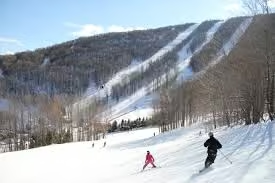
Choosing a ski resort in the Catskills starts with understanding your skill level and the amenities you desire. Whether you’re a novice or a seasoned skier, each resort offers unique features tailored to different abilities. Amenities like ski schools, rental shops, and dining options can also be crucial in making your decision. Taking the time to explore each resort’s website can provide valuable insights and help you make an informed choice.
Check Weather Forecasts and Road Conditions
Before you head out on your Catskills ski adventure, it’s essential to check the weather forecasts and road conditions. This will not only ensure you pack appropriately but also help avoid unexpected surprises. Websites like Weather.com or the National Weather Service can provide reliable forecasts. Additionally, checking road conditions through local government websites or apps can ensure your journey is safe and smooth.
Make Advance Reservations
Once you’ve selected your ideal ski resort and checked the weather, the next step is making advance reservations. Book your accommodation early to secure the best options, and don’t forget to rent your equipment in advance if needed. Many resorts offer online booking for convenience, which can save you time and guarantee availability. Advance reservations can also sometimes come with discounts, allowing you to make the most of your budget.
With careful planning and preparation, your Catskills ski trip will be off to a great start. This will set the stage for a memorable experience.
Essential Gear and Equipment
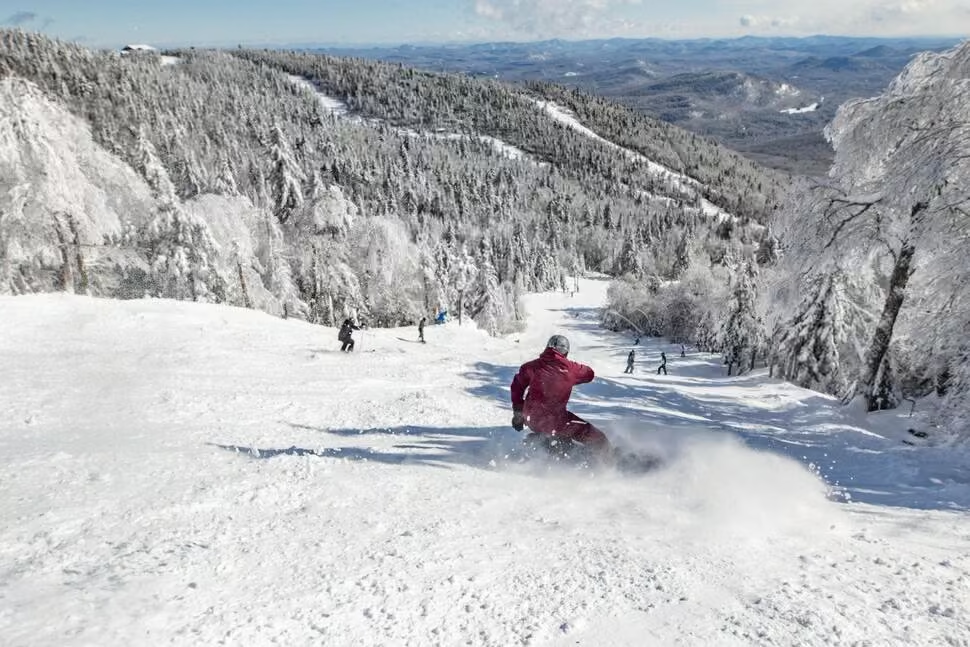
Preparing for a skiing adventure in the Catskills is all about having the right gear and clothing. This makes your experience more enjoyable and, most importantly, safe.
Must-Have Ski Gear and Appropriate Clothing Layers
When heading out to the slopes, always dress in layers to stay warm and dry. Start with a moisture-wicking base layer to keep sweat off your skin. Add an insulating layer, like a fleece or down jacket, for warmth. Finish with a waterproof and windproof outer layer to protect against the elements. Don’t forget to pack:
- Waterproof ski jacket and pants
- Moisture-wicking socks
- Glove liners and waterproof gloves
- Neck gaiters or scarves
- Helmet-compatible hats or headbands
Importance of Properly Fitted Boots and Skis
Having properly fitted boots and skis can make or break your day on the slopes. Ill-fitting boots can lead to discomfort and reduced control, while properly fitted ones offer better support and warmth. When renting or buying, ensure that:
- Ski boots fit snugly without pinching, and you can wiggle your toes
- Skis are the right length and type for your skill level and the kind of skiing you plan to do
Safety Equipment Recommendations
Safety is of utmost importance while skiing. Helmets and goggles are essential to protect yourself from potential injuries and the elements. Always wear:
- A helmet to protect your head from impacts
- Goggles to shield your eyes from UV rays, wind, and snow. Opt for those with anti-fog lenses
- Additional pads or spine protectors, especially for those attempting more challenging slopes
Having the right gear ensures your comfort. It also keeps you safe while enjoying the breathtaking beauty of the Catskills.
Now that you are geared up, let’s explore how to stay safe and practice proper etiquette while on the mountain.
On-Mountain Safety and Etiquette
Understanding and Following Ski Resort Rules and Signage
When skiing in the Catskills, always start by familiarizing yourself with the ski resort’s rules and signage. These rules are in place for your safety and the safety of others. Ski resorts will have signs indicating trail difficulty, directions, warnings, and closures. Respect all signs and obey any instructions given by resort staff. For example, if a trail is marked as closed, do not attempt to ski on it. Closed trails can be dangerous due to poor conditions or ongoing maintenance. Understanding and following these rules will ensure a smoother, safer experience on the slopes.
Basic Slope Etiquette and Right-of-Way Guidelines
Knowing the basic rules of slope etiquette is equally important. Yielding the right of way to others can prevent accidents and maintain a pleasant atmosphere. Here are some key guidelines:
- Downhill Skier has the Right-of-Way: The skier below you on the slope has the right of way. Always avoid running into skiers in front of you.
- Control Your Speed and Ski Responsibly: Adjust your speed according to the trail conditions, traffic, and your skill level. Collisions often happen when skiers aren’t in control.
- Look Uphill Before Merging: If you’re entering a trail or starting your run again, always look uphill. Ensure it’s clear of other skiers.
- Avoid Stopping in Risky Areas: Do not stop in narrow spots. Avoid locations that aren’t easily visible from above. You could obstruct the trail and cause accidents.
Maintaining Awareness of Surrounding Conditions and Other Skiers
Being aware of your surroundings is crucial for on-mountain safety. Keep an eye on changes in the weather, especially in the Catskills where conditions can change quickly. If visibility worsens, take appropriate steps to stay safe. This includes seeking shelter. Also, consider staying on well-marked trails.
Always be mindful of other skiers around you, paying attention to their speed and path. Communication and proper planning will help avoid collisions and keep the skiing experience enjoyable for everyone.
With these guidelines in mind, you’re well on your way to a safe and enjoyable day on the slopes.
Transitioning smoothly into the next topic, stay tuned for ways to stay comfortable on the slopes throughout your skiing adventure.
Staying Comfortable on the Slopes
Tips for Staying Hydrated and Energized
Staying hydrated and energized is crucial for a fun and safe day on the slopes. Always carry a water bottle in your backpack and take frequent sips throughout the day. Dehydration can sneak up on you, especially in cold weather when you might not feel as thirsty. Eating regular snacks is just as important. Opt for high-energy foods like nuts, granola bars, and fruit to keep your energy levels up. Consider bringing a small thermos with a warm beverage to enjoy during your breaks as well.
Strategic Break-Taking to Prevent Fatigue
Skiing all day can be exhausting, so it’s essential to take strategic breaks. Plan to rest at least once every couple of hours. Use these breaks to stretch your muscles, hydrate, and refuel with a snack. Find a cozy spot in the lodge or a scenic place on the mountain to relax. Avoid pushing yourself too hard, as fatigue can lead to poor judgment and increase the risk of injury.
Proper Layering Techniques for Changing Weather Conditions
The weather in the Catskills can be unpredictable, so proper layering is key to staying comfortable. Start with a moisture-wicking base layer to keep sweat away from your skin. Add a mid-layer, such as a fleece or down jacket, for insulation. Finally, wear a waterproof and windproof outer layer to protect against snow and wind. Bring along extra layers and remove or add them as needed throughout the day. Don’t forget accessories like gloves, hats, and neck gaiters to keep extremities warm.
Stay hydrated, take regular breaks, and layer properly. This way, you’ll ensure a cozy and enjoyable skiing experience during your time in the Catskills.
Making the Most of Your Experience
Recommendations for Best Times to Hit the Slopes
Timing is everything when it comes to skiing in the Catskills. For the best experience, plan to hit the slopes early in the morning. This is when the snow is freshly groomed. The slopes are less crowded. You will have a peaceful and smooth skiing experience. Weekdays are generally less busy than weekends, which can be advantageous if you prefer fewer people around.
Tips for Avoiding Common Beginner Mistakes
Skiing can be a bit daunting for beginners, but avoiding a few common mistakes can make your experience much more enjoyable:
- Take a Lesson: Don’t skip the basics. Enrolling in a skiing lesson can teach you essential techniques and boost your confidence.
- Don’t Rush: Start with the beginner slopes to get the hang of things before attempting more challenging runs.
- Proper Gear: Make sure all your equipment is well-fitted and functional. Ill-fitting boots or skis can cause discomfort and affect your control on the slopes.
- Stay Hydrated: Dehydration can sneak up on you, even in cold weather. Drink water regularly.
- Dress in Layers: Weather can change quickly. Dressing in layers helps you stay comfortable by adding or removing clothing as needed.
Suggestions for Capturing Memories While Staying Safe
Creating memorable experiences is part of the fun of skiing, but safety should always come first:
- Use a Wrist Strap: Secure your camera or phone with a wrist strap to prevent accidental drops.
- Stop in Safe Areas: Only take photos and videos when you are safely off to the side of the slope. Do not stop in the middle of the run.
- Capture the Landscape: Don’t forget to take in the breathtaking Catskills scenery. Wide-angle shots can capture the beauty of the terrain and your skiing adventure.
- Action Shots: Ask friends to capture photos or videos of you in action. Alternatively, use a mountable action camera to record your runs.
These tips will ensure that you enjoy a fantastic skiing trip. You will create plenty of memories to cherish. Safety will remain at the forefront.



