

Understanding the Upper Delaware River in April
Overview of Water Conditions and Temperatures during April
April marks a transformative period for the Upper Delaware River as winter releases its icy grip and spring takes hold. During this month, water conditions can vary significantly, impacted by both snow melt and sporadic rainfall. Stream flows tend to be higher due to the melting snow from the surrounding hills and sporadic rain showers, leading to chilly temperatures usually ranging from 40 to 50 degrees Fahrenheit. Anglers can notice the water levels gradually stabilize as the month progresses, but always be prepared for potential fluctuations.
Typical Trout Behavior and Patterns during Early Spring
Early spring is a lively time for trout in the Upper Delaware. As the river awakens, trout become increasingly active, emerging from their winter slumber to feed voraciously. The rising water temperatures boost their metabolism, prompting them to search for readily available food sources. During this period, trout often favor areas with moderate currents where they can easily access drifting insects. As they adjust to the changing conditions, expect to see them in various feeding lanes, with higher activity during warmer days when insect hatches are more prominent.
Key River Sections and Access Points for April Fishing
For those eager to cast a line along the Upper Delaware, April offers numerous productive spots:
- West Branch: Known for its cold, clear waters, this section provides ideal conditions for trout throughout the month. Access points like Balls Eddy and Hale Eddy are popular for early spring fishing.
- Main Stem: As the convergence of the East and West branches, the Main Stem offers diverse habitats. Great pool areas near Buckingham Access and Lordville provide fruitful fishery zones.
- East Branch: Warmer than the West Branch, the East Branch experiences earlier insect hatches. Fish around the Shinhopple and Fishs Eddy sections for optimum results.
These areas offer ample opportunities to observe and adjust tactics depending on the water conditions and trout behavior prevalent in April.
As the landscape of the Upper Delaware undergoes its spring transformation, understanding these dynamics is a crucial first step in any successful fishing expedition.
Essential Gear for Spring Trout Fishing
Recommended Rod and Reel Combinations for Delaware River Trout
When fishing the Upper Delaware River in April, having the right rod and reel is crucial. A medium-fast action rod around 9 feet in length, paired with a 5-weight reel, is ideal. This setup offers the versatility needed for varied river sections and the ability to handle different trout sizes. Brands like Orvis and Sage are excellent choices for their reliability and performance.
Must-have Accessories Including Waders, Nets, and Tools
Spring conditions require specific gear to ensure a successful and comfortable fishing experience:
- Waders: Neoprene or breathable waders are essential. Neoprene is great for the colder water in early April, while breathable waders offer comfort as temperatures rise. Ensure they are well-fitted and leak-free.
- Nets: A net with a rubber mesh is less harmful to trout and easier to handle. Look for a telescopic handle for reach in deeper waters.
- Tools: Carry a pair of hemostats for hook removal, nippers for line cutting, and a multi-tool for various on-the-spot repairs and adjustments.
Weather-appropriate Clothing and Safety Equipment for April Conditions
April can be unpredictable in terms of weather, so dressing in layers is key. Here’s what you need:
- Base Layer: Moisture-wicking shirt and pants to stay dry.
- Mid Layer: Insulating layer like a fleece or down jacket to retain heat.
- Outer Layer: Waterproof and windproof jacket and pants to protect against rain and wind.
- Footwear: Felt-soled wading boots for grip and stability.
- Safety Gear: Don’t forget a wading belt for safety, a PFD (Personal Flotation Device) if you’re wading in deeper or faster sections, and polarized sunglasses to reduce glare and spot fish.
Having the right gear will significantly impact your comfort and success on the river, ensuring you’re prepared for the changing conditions and agile trout behavior characteristic of early spring.
Top Baits and Lures for April Trout
Most Effective Live Bait Options for Spring Trout Fishing
Live bait remains a classic choice for trout anglers on the Upper Delaware River during April. The trout’s metabolism ramps up as water temperatures rise, making them eager to strike at natural prey. Here are some of the top live bait options:
- Worms: Nightcrawlers and red worms are irresistible to trout. These baits work well in both slow-moving pools and faster runs, appealing to the natural diet of river-dwelling trout.
- Minnows: Small minnows mimic the trout’s forage fish. Drift them in current seams and drop-offs where trout lie in wait.
- Salmon Eggs: A traditional favorite, salmon eggs can spark aggressive strikes when drifted through deeper pools and gentle currents.
Best Artificial Lures and Their Proper Presentation Techniques
Artificial lures provide versatility and the ability to mimic a variety of prey items. Here are some top choices and how to effectively present them:
- Inline Spinners: Rooster Tail and Mepps Aglia spinners are great for targeting aggressive trout. Cast upstream and retrieve with varying speeds, allowing the blade’s flash and vibration to attract fish.
- Soft Plastic Lures: Berkley Power Bait Trout Worms and similar soft plastic baits can be rigged on small hooks or jig heads. Use a slow, twitching retrieve to mimic natural prey movements.
- Crankbaits: Small crankbaits like Rapala Countdowns can be very effective. Use a steady retrieve with occasional pauses to trigger strikes from curious trout.
Popular Fly Patterns for April Hatches
Fly fishing in April demands familiarity with the common hatches on the Upper Delaware River. Here are some go-to patterns:
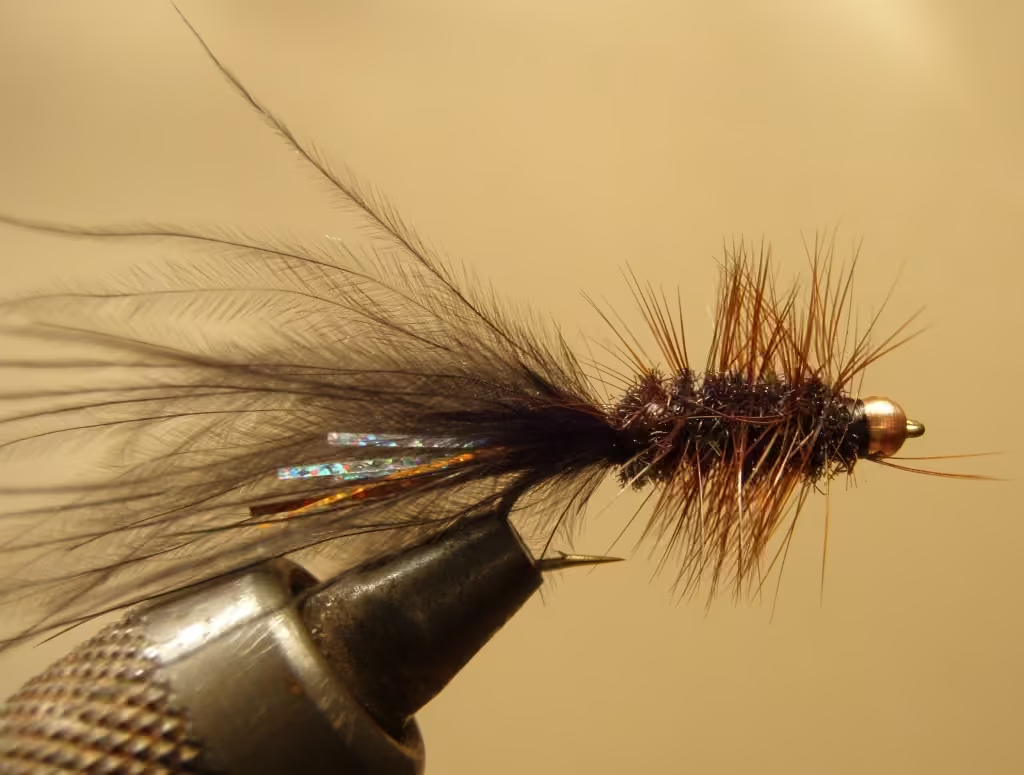
- Woolly Buggers: This versatile pattern can imitate everything from minnows to leeches. Fish them with a sink-tip line and a slow, pulsing retrieve.
- Pheasant Tail Nymphs: Representing various aquatic insects, this nymph pattern works well in riffles and seams. Drift them near the riverbed with a strike indicator for best results.
- Blue-Winged Olive (BWO): As the BWO mayfly hatch begins in April, a dry fly version of this pattern can bring trout to the surface. Use a downstream presentation for a natural drift.
As you gear up with the right baits and lures for April trout, you’re setting the stage for a successful fishing trip.
Prime Fishing Times and Locations
Best Times of Day for April Trout Fishing
April fishing on the Upper Delaware River can be quite productive, but timing is critical. The best times to catch trout usually coincide with their feeding schedules. Early morning from dawn to around 10 AM and late afternoon from about 4 PM to dusk are prime times. During these periods, water temperatures are lower, and trout tend to be more active.
Identifying Productive Pools, Runs, and Holding Areas
Understanding where to cast your line can make all the difference. Pools, runs, and holding areas are often the most productive. Look for deeper pools, especially those with overhanging trees and submerged structures; these spots provide trout with cover and food. Runs, or the faster-flowing sections of the river, are excellent places where trout lie in wait for food to drift by. Holding areas near large boulders and undercut banks are also prime spots.
How to Adjust Fishing Strategy Based on Weather Conditions
Weather can significantly affect trout behavior. On cloudy or overcast days, trout are more likely to be out in the open feeding, giving anglers a better chance of catching them throughout the day. On sunny days, focus on shaded areas and deeper pools where trout seek refuge from the bright light. After rainfall, the water may be murky, and trout tend to remain near the river bottom, making it essential to use weighted baits or nymphs to reach them.
Understanding the specifics of these prime fishing times and locations is essential for a successful outing.
Advanced Techniques and Tips
Proper Casting Methods for Different River Sections
Mastering different casting techniques is crucial when fishing the diverse sections of the Upper Delaware River. The river’s varying currents and environments require tailored approaches to ensure effective presentations. In slower pools and eddies, where currents are minimal, opt for a delicate, overhead cast. This type of cast allows your bait or fly to land softly on the water’s surface, minimizing the chances of spooking the trout.
When fishing faster runs and riffles, use a roll cast. This technique enables you to keep most of your line off the water, thus reducing drag and maintaining a natural drift. It is particularly beneficial in areas with limited casting space and overhanging vegetation.
Reading Water and Identifying Feeding Zones
To catch more trout, learn to read the water and identify feeding zones. Look for seams where faster water meets slower currents. Trout often position themselves here to conserve energy while having easy access to drifting food. Additionally, focus on tailouts – the downstream ends of pools – where food accumulates, making them prime feeding spots.
Undercut banks and submerged structures like boulders and fallen trees provide excellent cover for trout. These areas offer protection from predators and currents, making them favored resting and feeding zones. Always approach these areas with caution to avoid startling hidden fish.
How to Approach Spooky Spring Trout Without Scaring Them
Spring trout can be particularly wary. A stealthy approach is essential to avoid spooking them. When wading, move slowly and deliberately to minimize water disturbance. Stay low and use available cover to stay out of sight.
Casting with precision is vital. Avoid false casts directly over your target area, as the shadow and movement can easily scare the fish. Instead, aim for an upstream cast, allowing your bait or fly to drift naturally into the feeding zone. This approach mimics the natural flow of food and increases your chances of a strike.
For continued success on the Upper Delaware River, always adapt your techniques to the specific conditions you encounter. This flexibility, combined with a solid understanding of trout behavior, will enhance your spring fishing experience.
Local Regulations and Conservation
Current Fishing Regulations and Licensing Requirements
When planning your spring trout fishing trip on the Upper Delaware River, make sure you are aware of and comply with the local fishing regulations. For this particular river, strict catch-and-release regulations are in place to ensure the conservation of wild trout populations. You’ll need a valid fishing license, which can be obtained online or at local sporting goods stores.
Catch and Release Best Practices
To help preserve the trout population, follow these catch-and-release best practices:
- Use Barbless Hooks: Barbless hooks minimize injury to the fish and make for easier release.
- Handle Gently: Wet your hands before handling the trout to protect their slimy coating, which is vital for their health.
- Limit Air Exposure: Keep the fish in the water as much as possible and limit their time out of the water to less than 10 seconds when taking any photos.
- Avoid Dry Surfaces: Never place the trout on dry or hot surfaces as this can remove their protective slime layer.
- Revive the Fish: Before release, hold the trout in the water, facing upstream so that water flows over its gills until it is ready to swim away on its own.
Responsible Fishing Ethics for Preserving the Fishery
The health of the trout population and the sustainability of the fishery depend on responsible fishing practices:
- Respect the Environment: Leave no trace. Pack out all trash, including discarded fishing lines and gear.
- Follow Seasonal Restrictions: Be aware of and adhere to any seasonal fishing restrictions or protected areas.
- Educate Others: Inform other anglers about the importance of conservation and proper catch-and-release techniques.
- Report Violations: If you observe any illegal activity, report it to local authorities to help protect the fishery.
By following these regulations and practicing good conservation, you can contribute to the long-term health of the Upper Delaware River trout populations and ensure that future generations can enjoy this fantastic fishery.
Ready to gear up for your spring fishing adventure? Let’s explore the essential gear you’ll need for a successful trip.



