

Introduction to Customer Complaints in Hospitality
The Importance of Handling Complaints
Effective complaint management is at the heart of any successful hospitality business. Guests expect more than good service—they expect support when things go wrong. How complaints are handled can make or break a guest’s experience. A prompt, thoughtful response not only calms frustrations, but also reflects the brand’s commitment to care and quality.
Impact on Loyalty and Reputation
Resolving complaints isn’t just about fixing problems; it’s about building trust. Guests who feel heard and respected are more likely to return and recommend your business to others. On the flip side, poor complaint handling can quickly harm your reputation and drive loyal visitors away.
Essential Skills for Success
Professionals in hospitality need strong listening skills, empathy, and patience to truly understand guest concerns. Clear, respectful communication helps turn challenges into opportunities. Combined with decisiveness and product knowledge, these skills empower teams to resolve issues smoothly and leave lasting positive impressions.
With this foundation, let’s look deeper at the core skills that elevate complaint handling.
Developing Empathy and Active Listening
Understanding the Guest’s Viewpoint
Building true empathy starts with seeing each situation from the guest’s perspective. Hospitality professionals should imagine themselves in the guest’s shoes, considering what may have caused frustration or disappointment. It’s not just about the problem at hand—guests want to feel that their feelings are genuine and are understood on a personal level.
Techniques for Active Listening
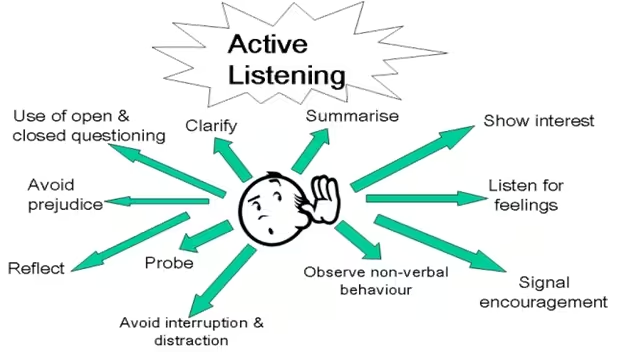
Active listening is more than just hearing words; it’s a process of close attention. This means making eye contact, nodding to show attentiveness, and responding with thoughtful acknowledgments like, “I understand how that must have felt.” Avoid interrupting and give guests the space to express themselves fully.
Decoding Verbal and Non-Verbal Cues
It’s important to pick up on more than direct complaints. Notice the guest’s tone, body language, and facial expressions. Sometimes, what isn’t said speaks louder than words. Recognizing these cues helps uncover the guest’s true concerns and guides the way to a thoughtful response.
A warm, empathetic approach builds trust and sets the stage for every interaction that follows.
Mastering Compassionate Communication
Harnessing the Right Tone, Language, and Body Language
Handling complaints in hospitality goes beyond just resolving an issue. It’s all about how you make guests feel in the process. The right tone is calm and friendly, even if the guest is visibly upset. You want your language to clearly show you’re attentive and ready to help. Saying things like, “I understand how this would be frustrating,” reassures guests that their feelings matter.
Body language plays a big role too. Make eye contact, keep an open stance, and nod when appropriate. These non-verbal cues help guests feel safe and respected, smoothing tense interactions.
Striking a Balance: Professionalism Meets Genuine Care
Guests need to know you take their concerns seriously, but also that you truly care. Stay polite and professional, but don’t be afraid to let your authentic empathy show. Smile gently, use a warm yet respectful voice, and avoid robotic phrases. Even small gestures, like offering a seat or a glass of water, can bridge the gap between you and the guest.
Acknowledging Emotions Without Defensiveness
It’s natural to feel defensive when facing criticism, but in hospitality, keeping this in check is key. Listen first and resist the urge to correct or explain immediately. Instead, validate their experience with statements like, “I can see why you’d feel that way.” This helps calm emotions, opening the door to a more productive conversation.
This approach sets the stage for practical solutions, building the trust guests need to stay loyal.
Cultivating Product and Policy Knowledge
The Value of Deep Product Understanding
When guests bring forward a complaint, knowing the ins and outs of what you offer makes all the difference. It’s not just about being able to list room types, amenities, or menu options. A deep grasp of your services allows you to answer questions quickly, provide context, and connect each solution to a real guest need. This confidence builds trust and speeds up resolution, turning an awkward situation into a positive touchpoint.
Staying Current on Policies and Procedures
Policies in hospitality can change based on seasons, events, or even local regulations. Staying informed isn’t a one-time thing—it’s an ongoing process. Regularly review internal communications and training updates. Ask questions when unsure, and share learnings with your peers. When you’re up to date, you not only resolve complaints faster but can prevent confusion before it starts.
Leveraging Knowledge for Better Solutions
The goal is always to identify the best solution for each unique complaint. When you really understand your offerings and policies, you gain the flexibility to tailor responses within established guidelines. This ensures guests feel cared for, rather than just receiving a generic answer.
Skills in this area empower you to deliver service that truly stands out and helps you stay prepared for whatever challenge comes next.
Developing Decisiveness and Problem-Solving Skills
Making Fast, Thoughtful Choices
Quick, clear decisions are vital when guests raise concerns. Hesitation or uncertainty can make issues worse and frustrate customers even more. To handle complaints effectively, rely on your deep knowledge of services and policies. Trust your training, stay calm, and confidently guide the conversation toward positive solutions.
Balancing Guidelines With Guest Happiness
Policies matter, but people come first in hospitality. Weigh company rules alongside guest expectations. Look for solutions that satisfy the guest without breaking important guidelines. Sometimes, a little flexibility—like offering a complimentary service or creative gesture—goes a long way in building goodwill.
Getting Creative With Complex Problems
Not all complaints fit inside a rulebook. Some situations require out-of-the-box thinking. Listen to the true concern behind the complaint, brainstorm possible fixes, and ask for input if needed. The goal is a result that feels personal, fair, and leaves the guest feeling valued.
Empowering yourself with quick decision-making and creative solutions can turn tricky situations into moments of guest delight. Next, it’s important to stay cool and collected—especially when things get tense.
Managing Emotional Intelligence in Tense Situations
Staying Calm Under Pressure
Handling upset guests means you must keep your cool, no matter how tense things get. Take a deep breath before responding, speak at a steady pace, and remember to keep your voice calm. Showing patience and staying centered can be contagious, encouraging your guest to mirror your tone and calm down as well.
Separating Feelings from the Situation
It’s easy to take harsh words or frustration personally. But professionalism is about focusing on the issue, not the emotion. Remind yourself that complaints reflect the guest’s experience, not your value as a person. Mentally step back and treat each case as a problem to solve rather than a personal attack.
De-Escalation Tactics
When voices rise or tempers flare, active listening can defuse tension. Stay present, nod, and reassure the guest you’re here to help. Use phrases like “I understand why you’re upset,” and ask open-ended questions to learn more. If needed, offer a brief break for reflection before returning to the conversation refreshed.
These emotional intelligence skills ensure every guest feels respected, even during the toughest moments.
Taking Ownership and Following Through
The Power of Accountability
When guests voice concerns, they want to know someone is taking their issue seriously. Taking ownership means stepping up, even if the problem wasn’t your fault. It’s about saying, “I will help you,” instead of passing the blame. Genuine accountability eases tension and builds trust with your guests.
Documenting and Communicating Complaints
Proper documentation is a must. Record each complaint clearly and accurately. Include what happened, the guest’s details, and the solution offered. Share this information quickly with the right department—engineering, housekeeping, or management—so everyone stays in the loop and repeat issues don’t slip through the cracks.
Following Up for Lasting Satisfaction
After resolving the complaint, check in with the guest. A friendly follow-up call or email shows you care and confirms they’re satisfied. This last step turns a problem into a positive memory for the guest, setting the stage for future loyalty.
Focusing on these habits transforms fleeting resolutions into meaningful service moments, laying a foundation for a culture of continuous improvement.
Building a Complaint-Friendly Culture
Embracing Complaints as a Growth Opportunity
A shift in mindset is essential—seeing complaints not as failures, but as valuable feedback. When a guest voices a concern, it’s a direct line to areas where the experience can improve. Each piece of negative feedback uncovers a hidden gap and gives you a chance to go above and beyond. Encouraging this perspective among team members motivates them to treat every complaint as a learning moment.
Training Teams to Welcome and Address Feedback
Proactively training staff fosters a positive attitude toward feedback. Simple steps make a big difference:
- Role-play scenarios for real-world practice
- Share examples of successful resolutions
- Celebrate team members who turn complaints into positive stories
This approach builds staff confidence and ensures guests feel heard whenever issues pop up.
Leveraging Complaint Data for Improvements
Documenting complaints, however minor, helps spot patterns and underlying problems. Regularly reviewing this data highlights recurring obstacles and guides operational upgrades. When teams use this information to drive change, the whole service process keeps getting better—with fewer complaints and happier guests as a result.
A culture that welcomes feedback strengthens teamwork and creates lasting guest loyalty, setting the stage for deeper connections and continuous improvement.
Conclusion: Turning Complaints into Opportunities
Mastering the art of handling complaints shifts the mindset from managing problems to building relationships with guests. When frontline staff treat feedback as valuable, not burdensome, they gain trust and respect. Strong complaint handling skills—like empathy, clear communication, and ownership—turn negative moments into positive memories. Over time, these abilities lead to deeper guest loyalty and a stronger brand reputation.
For professionals, excelling in these areas doesn’t just help guests—it sets you apart for leadership opportunities. To keep improving, seek feedback from guests and peers, watch experienced colleagues, and learn from every experience. Embrace each complaint as a chance to grow, connect, and create lasting positive change.



