
Understanding Your Action Camera’s Advanced Settings
Essential Camera Settings: Frame Rates, Resolution, and Field of View
When filming action videos, understanding your camera’s settings is crucial for capturing stunning footage. Frame rates, resolution, and field of view (FOV) are key elements to master. Frame rates dictate how many frames are recorded per second—higher rates like 60fps or 120fps are perfect for smooth slow-motion shots, while 24fps delivers a cinematic look.
Resolution impacts the clarity of your footage. Higher resolutions like 4K offer crisp details but require more storage and processing power. Choose a lower resolution like 1080p for a balance between quality and file size. The FOV setting, often wide, medium, or narrow, changes how much of the scene is captured. A wide angle includes more of the environment, ideal for immersive action shots, while medium and narrow fields of view are great for isolating subjects.
Optimizing ISO Sensitivity for Different Lighting Conditions
ISO sensitivity affects your camera’s ability to capture light. In bright conditions, a low ISO (100-400) keeps details sharp and minimizes noise. Conversely, in low-light scenarios, increase the ISO (800-1600 or higher) to brighten the footage, but be wary of introducing grain. Experiment with ISO settings to find the sweet spot that balances brightness and noise.
Customizing Presets for Quick Access During Action Shots
Action happens fast, and fiddling with settings can make you miss the perfect shot. Customizing presets allows quick access to your most-used configurations. Most action cameras offer programmable buttons or shortcuts. Set up a low-light preset with higher ISO and another for high-speed action with increased frame rates. This way, you can switch settings instantly without losing momentum.
Mastering these advanced settings equips you to handle various filming conditions with ease, ensuring your action videos are always top-notch.

Mastering Lighting Techniques for Dynamic Footage
Working with Natural Light vs. Artificial Lighting in Action Sequences
Lighting can make or break your action shots, and understanding how to work with both natural and artificial light can greatly enhance your footage. Natural light is abundant and can provide a beautiful, soft illumination that’s perfect for outdoor scenes. Morning and late afternoon, known as the “golden hours,” offer the best natural lighting with its warm tones and long shadows which add depth and dimension to your shots.
Artificial light, on the other hand, gives you control and consistency when shooting indoors or in low-light conditions. Use continuous lighting options to mimic natural light and maintain consistency. Experiment with LED panels, softboxes, and ring lights to achieve the desired effect. Mixing both light sources can create a balanced and dynamic atmosphere.
Strategies for Handling Challenging Lighting Situations
When facing challenging lighting situations, such as backlight or low light, having the right strategies in your toolkit is essential. To combat strong backlighting, position your subject at an angle to the light source to avoid silhouettes. Using reflectors or fill lights can help balance the exposure and bring out details.
For low-light conditions, increasing your camera’s ISO setting can help, but be cautious of noise. Pairing high ISO with a wider aperture (small f-number) allows more light into the sensor, reducing the chance of blurry footage. If possible, add external lights or use the camera’s built-in lighting options to improve visibility.
Using Light to Create Mood and Depth in Your Footage
Lighting is a powerful tool for setting the mood and adding depth to your footage. Warm, soft lighting can evoke a cozy and inviting atmosphere, while harsh, cool lighting might suggest tension or urgency. Positioning your light source at different angles can help sculpt your subject, highlighting contours and adding a three-dimensional feel. Experiment with shadows to create drama and focus attention where you need it most.
Paying attention to your surroundings can also enhance depth. For example, capturing light filtering through trees or rays streaming through a window can add layers and complexity to your shots. These techniques not only improve the visual appeal but also keep the viewer engaged.
Mastering the interplay of natural and artificial light, handling tricky situations, and creatively using light to enhance mood and depth are essential skills for any action photographer.
Creative Camera Angles and Movement
Exploring Unique Perspectives and Mounting Positions
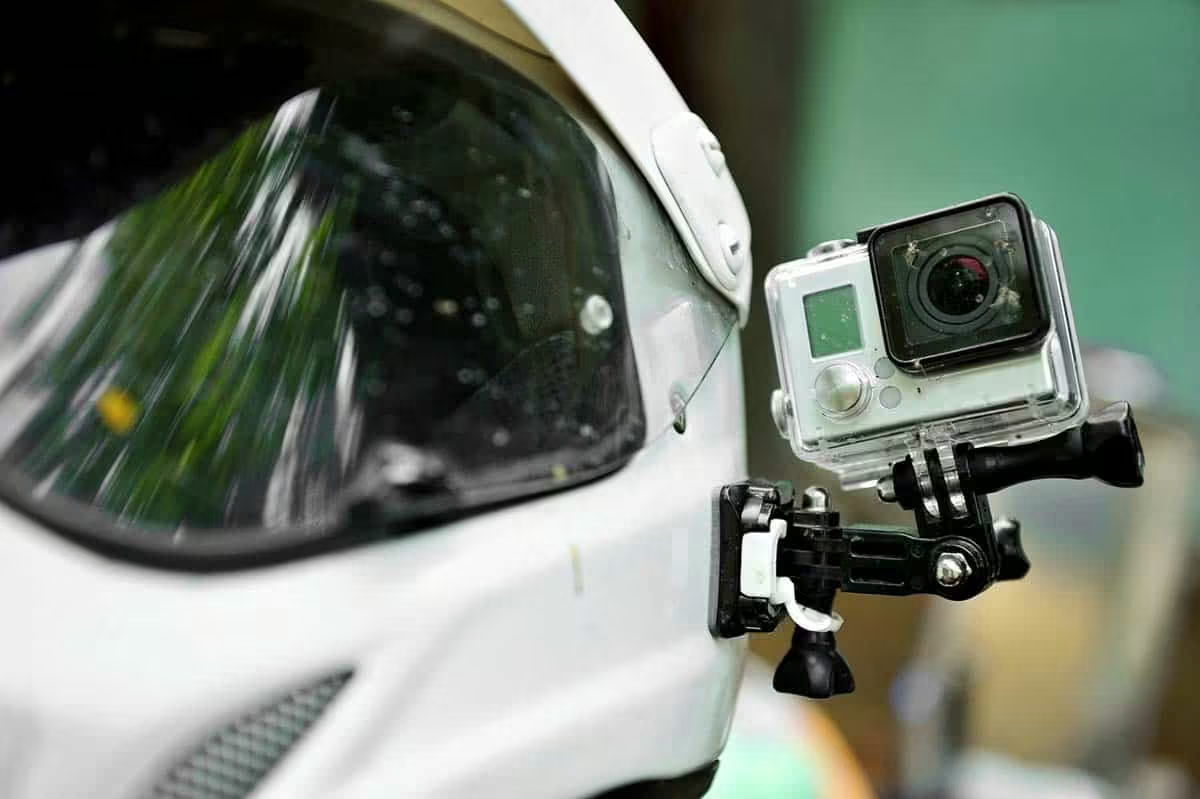
To capture stunning HD action videos, experimenting with unique perspectives and mounting positions is crucial. Consider mounting your action camera on helmets, handlebars, or even tools like skis and surfboards. These unique spots can offer immersive views of the action that traditional cameras cannot achieve. Using a chest mount can provide a more stable and engaging perspective, highlighting the subject’s movements and surroundings seamlessly. For dynamic sequences, try placing your camera at lower angles for dramatic shots or high angles for a panoramic view, offering fresh and intriguing visuals to your footage.
Techniques for Smooth Transitions Between Different Angles
Smooth transitions are essential for maintaining a fluid narrative in action videos. When switching angles, try to match the motion between shots. For instance, if the first angle ends with a left to right pan, start the next shot with the same movement. This technique creates a seamless flow, making angle changes less jarring. Using a slider can also help in achieving smooth transitions. Professional sliders provide controlled and steady motion, reducing the risk of shaky footage and maintaining high video quality.
Incorporating Dynamic Movement While Maintaining Stability
Introducing dynamic camera movements can significantly enhance the visual appeal of your action videos. Techniques such as panning, tilting, and tracking shots can add excitement and depth. However, maintaining stability is vital to avoid shaky footage. Gimbals and handheld stabilizers are excellent tools for this purpose. They help in achieving smooth and stable shots even during high-intensity activities. Furthermore, practicing proper stance and movement techniques can also aid in minimizing shake. For example, keeping your elbows close to your body and using a wide stance can provide better control and stability.
By mastering these creative camera angles and movements, you’ll elevate your action videos to a professional level, engaging your audience with captivating visuals and smooth transitions.
Professional Composition Strategies
Applying the Rule of Thirds in Fast-Paced Scenarios
The rule of thirds is a fundamental composition technique that helps create balanced and engaging shots. Divide your frame into nine equal sections by two equally spaced horizontal and vertical lines. Place your subject or points of interest along these lines or at their intersections. In fast-paced action scenarios, keep the subject’s head or leading edge on one of the intersection points to maintain focus and guide the viewer’s eye.
Framing Techniques for Action Sequences
Framing is crucial in action sequences to convey motion and direction. Here are some practical tips:
- Lead Room: Provide space in the direction the subject is moving to enhance the sense of motion and anticipation.
- Head Room: Ensure you don’t cut off the top of the subject’s head. Maintain enough space above the subject for a natural look.
- Diagonal Lines: Use natural leading lines like roads, trails, or even shadows to draw attention to the subject and guide the viewer through the scene.
Creating Visual Flow and Maintaining Subject Focus
Achieving visual flow ensures your footage is both engaging and easy to follow. Consider the following strategies:
- Consistent Direction: Keep subjects moving in the same direction across cuts to maintain a logical flow. If a subject exits the frame on the right, have them enter from the left in the next shot.
- Pacing: Match the editing pace with the action’s intensity. Faster cuts work well with high-energy scenes, while slower cuts suit calm moments.
- Subject Focus: Use techniques like center framing during action peaks to keep the audience’s attention on the main subject. For more dynamic shots, rely on your camera’s tracking focus feature.
Implement these strategies to create professional, captivating action videos that command attention and tell a compelling story.
Advanced Post-Production Tips
Color Grading Techniques for Professional-Looking Footage
Color grading is essential for refining the visual impact of your action videos. Begin by correcting any color inconsistencies to achieve a balanced and natural look. Use tools within your editing software to adjust white balance, exposure, and contrast. Once corrected, apply creative color grades to enhance the mood of your footage. Whether you choose a vibrant and saturated look or a moody and desaturated style, make sure it complements the narrative of your video.
Stabilization Methods in Post-Processing
Even with the best gear, some shake and jitter are inevitable. Post-processing can smooth out these imperfections. Use the stabilization features in your editing software to analyze and correct shaky footage. Adobe Premiere Pro, for example, offers Warp Stabilizer, which dynamically adjusts the frame to reduce motion. Be mindful of cropping; stabilization often requires trimming the edges of your video, so shoot with a broader frame when possible.
Enhancing Dynamic Range in Your Final Edit
Dynamic range is the contrast between the darkest and brightest parts of your video. Enhancing it provides depth and detail, making your footage more engaging. Utilize high dynamic range (HDR) tools to bring out details in shadows and highlights without overexposing or underexposing essential elements. Tools like Adobe’s HDR Effect or DaVinci Resolve’s Color Wheels can help you achieve this balance, resulting in more vivid and lifelike imagery.
As you fine-tune your footage, remember that small adjustments can have significant impacts. Each step in post-production is crucial for creating stunning HD action videos.
Common Mistakes and Pro Solutions
Avoiding Typical Action Camera Pitfalls
Action cameras are powerful tools, but they come with a learning curve. Here are some common pitfalls you might encounter and how to avoid them:
- Incorrect Frame Rates and Resolutions: Using the wrong frame rate or resolution can ruin your footage. For smoothly capturing fast-moving subjects, use 60fps or higher. For cinematic shots, 24fps is best. Ensure you’re shooting in at least 1080p for clear, detailed footage.
- Unstable Footage: Shaky videos are a common issue. Invest in a stabilizer or a gimbal to keep your camera steady. Additionally, practice smooth panning and avoid sudden movements.
- Poor Lighting Choices: Underestimating lighting can lead to poor-quality videos. Always assess your lighting conditions and adjust your settings accordingly. Use natural light when possible, and carry portable lights for low-lit situations.
- Neglecting Audio: Action cameras typically have weak built-in microphones. Use an external mic or a separate audio recorder to capture high-quality sound.
Troubleshooting Techniques for Common Issues
When you run into issues, these troubleshooting tips can save the day:
- Footage Is Overexposed or Underexposed: Adjust your camera’s ISO and shutter speed settings. Use ND filters to reduce light when shooting in bright conditions.
- Blurry Footage: This can happen due to incorrect focus or motion blur. Use a higher shutter speed and ensure your focus is locked on the subject.
- Battery Life: Action cameras can have short battery lives, especially in cold conditions. Carry spare batteries and keep them warm until needed.
Pro Tips for Consistent High-Quality Results
Shifting from amateur to pro-level action videos requires some mindful practices:
- Plan Your Shots: Think about the story you want to tell and the shots needed to convey it. Planning ahead saves time and ensures you capture the necessary footage.
- Use Custom Presets: Customizing settings for different scenarios will save you time and reduce the chances of errors. Have presets for action sequences, low-light conditions, and time-lapses ready to go.
- Regular Maintenance: Clean your camera lens regularly, check for firmware updates, and store your gear properly. These simple steps can significantly contribute to the longevity and performance of your equipment.
Advanced techniques and thoughtful planning can make a monumental difference in your action camera footage. With these pro tips and solutions, you’ll be better equipped to handle common challenges and elevate the quality of your videos seamlessly.



