
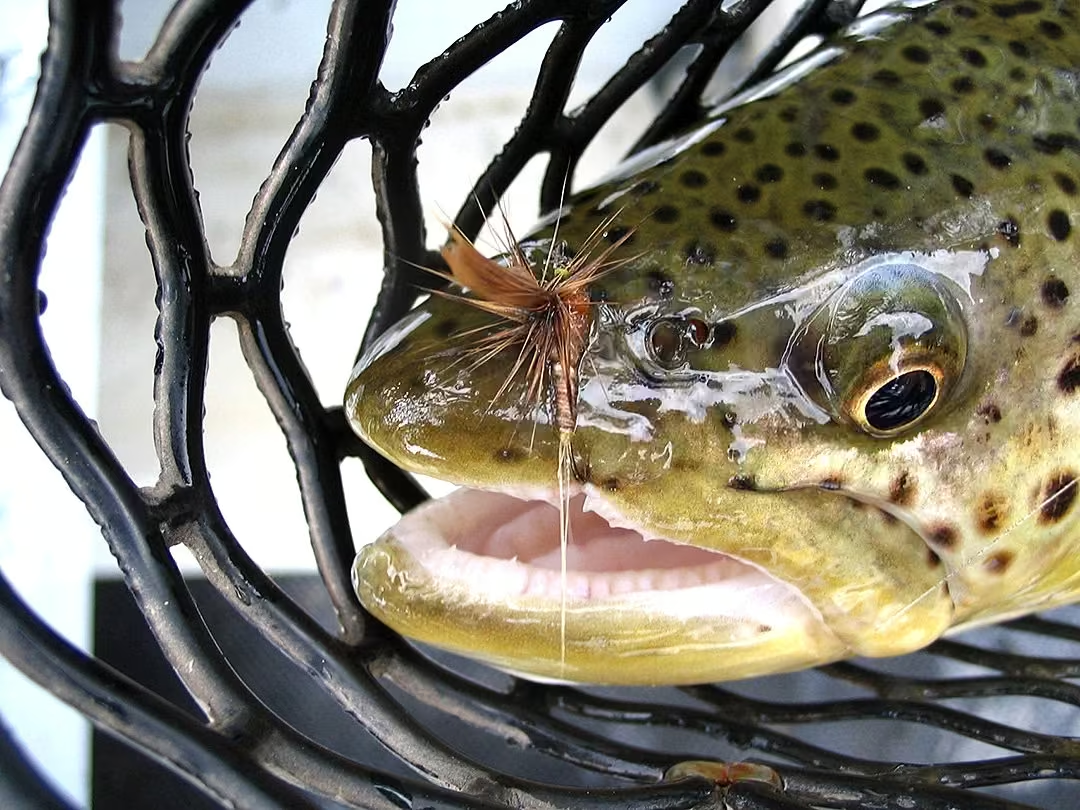
Introduction to Catch and Release on the Beaver Kill
The Beaver Kill is a cherished trout stream, renowned for its clear water and healthy wild trout populations. Generations of anglers have been drawn to its riffles and pools, making it a premier destination for fly fishing. But such popularity comes with responsibility. Because this river supports heavy fishing pressure, catch and release isn’t just a suggestion—it’s critical for conservation. When anglers use proper techniques, trout survival rates after release can reach as high as 98%. This means thoughtful handling and best practices help ensure these beloved fish thrive for years to come, making every visit to the Beaver Kill rewarding.
By understanding trout biology and vulnerability, we can all play a part in protecting this remarkable water and its fish.
Understanding Trout Biology and Vulnerability
Why Trout Are So Sensitive
Trout are built for life in cool, clean water, with delicate skin and a protective slime coating. This slimy layer shields them from disease and injury but is easily damaged by dry hands or rough surfaces. Unlike tougher fish, trout have thin skin and fine scales, making them particularly vulnerable when handled.
Stress and Its Effects on Survival
When trout are caught, their bodies experience stress. This can lead to elevated heart rates, increased breathing, and even shock. Even short periods out of the water can make it harder for them to recover after release. Prolonged stress weakens their immune systems, leaving them open to infection and reducing their chances of survival.
The Problems with Traditional Handling
Traditional fishing methods often overlook how much small actions can harm trout. Dry hands remove their vital slime, while squeezing or dangling a fish by its jaw can cause lasting injury. Even gently laying them on dry grass or rocks can do damage. Being aware of these vulnerabilities helps anglers make choices that protect this special species.
By keeping trout biology in mind, safe handling practices come naturally, ensuring these fish remain healthy and abundant.
Essential Gear for Responsible Catch and Release
Choosing the Right Hooks
Barbless hooks are a must for anyone wanting to minimize harm to Beaver Kill trout. Without barbs, these hooks slide out cleanly, causing less damage to the trout’s delicate mouth and speeding up release. This reduces the risk of injury and lowers the stress fish experience during handling, supporting high survival rates.
Nets That Help, Not Harm
A rubber or knotless mesh net is best for landing trout. Rubber nets won’t scrape away the protective slime or snag fragile fins, unlike coarse fabric nets or string mesh. This preserves the trout’s natural defenses and makes handling both easier and safer for angler and fish alike.
Essential Tools in Every Angler’s Kit
Every responsible angler should have simple but effective tools ready. Forceps or slim pliers help remove hooks quickly, especially in tight spaces. Hook removers assist with deeper or tricky hook placements, allowing for fast, hands-off extraction. These tools keep the process smooth, minimizing the trout’s time out of the water and helping ensure a quick, healthy release.
With the right gear, you’re setting yourself up not just for successful fishing, but for genuine conservation in action.
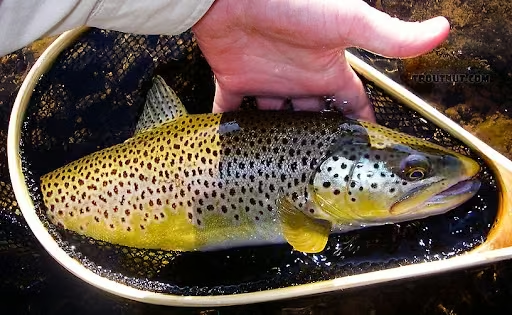
Proper Fish Handling Techniques
Wet Hands, Happy Trout
Before touching a trout, always wet your hands first. This simple habit protects the trout’s natural slime layer, which is essential for keeping out disease and stress. Dry hands can remove this coating and leave the fish vulnerable, even if your contact is brief.
Supporting in Water
When lifting a trout, keep the fish in or just above the water. Gently cradle the fish with one hand under its belly and another near the tail. This lets the trout’s body stay supported, avoiding injuries caused by gravity or sudden movements.
Gentle Avoidance of Sensitive Areas
Never touch the gills or eyes. The gills are delicate, and any contact can seriously harm the fish’s ability to breathe. Eyes are similarly fragile and handling here often results in lasting damage.
By making these small changes, you are already supporting a healthier, thriving trout population.
Hook Removal Best Practices
Quick and Safe Hook Removal
Removing a hook carefully is essential for trout survival. Always keep the fish in or just above the water. Use forceps or a hook remover to gently and swiftly back the hook out. Avoid twisting or pulling hard—this limits damage to the fish’s mouth and reduces stress. Barbless hooks make this much easier and cause less trauma, helping the fish recover quickly.
Dealing with Deeply Hooked Fish
Sometimes, a trout will swallow the hook deeper than expected. If you can’t remove the hook without excessive force, it’s better to cut the line as close to the hook as possible. Trying to dig out a deep hook can do more harm than leaving it in place, as trout often shed swallowed hooks naturally over time. Minimize fuss to keep the fish healthy.
Reducing Air Exposure
Unhooking should be done with the trout submerged or at the water’s surface. Limit air exposure to just a few seconds—or ideally, none at all. Quick handling keeps stress levels down and boosts the likelihood of a strong release.
With these simple best practices in mind, you’re helping ensure every catch swims away strong and healthy.
Resuscitation Techniques for Stressed Fish
Spotting a Stressed Trout
After landing a trout, pay close attention to how it behaves in the water. Signs of stress often include sluggishness, drifting with the current without trying to swim away, or rolling onto its side. Healthy trout should display a strong desire to escape and steady, upright balance.
Steps for Reviving an Exhausted Fish
If a fish looks worn out, keep it in the water at all times. Gently cradle it under the belly and near the tail, holding it facing into a slow current. This helps oxygenated water flow through the gills while minimizing additional stress. Avoid squeezing or moving the fish forcefully.
Knowing When to Let Go
Support the fish until it shows signs of recovery: firm body movement, steady tail flicks, and upright posture. Be patient—some trout may need several minutes before they are strong enough to swim away on their own. If the fish swims firmly against your hand or slips from your grip, it’s ready to go.
Taking these extra moments protects not only the individual trout but also the overall population’s health and resilience.
The Impact of Water Temperature on Trout Survival
Why Temperature Matters
Trout are cold-water fish, thriving best in rivers where water temperatures stay cool—even during the warmest months. In general, Beaver Kill trout are healthiest when water temperatures range from 50°F to 67°F. Cooler water holds more oxygen, helping fish recover faster after release. Once temperatures creep above 68°F, trout experience more stress and struggle to survive, even if handled carefully.
Warm Water and Increased Mortality
Fishing when the water warms up can be risky for trout. As temperatures rise, a trout’s oxygen needs go up but the river delivers less. This starves their bodies of vital oxygen, weakening their chances of surviving catch and release. Trout released in warm water often struggle to recover, becoming easy targets for predators or succumbing to exhaustion.
Making Responsible Choices
Anglers should always check water temperatures before fishing. Simple pocket thermometers work well—just dip it in and wait a few moments. If the reading is close to or above 68°F, consider skipping the fishing session or targeting different species less sensitive to heat.
Understanding how water temperature impacts trout health is a key part of being a responsible angler. Taking these small steps helps sustain the Beaver Kill’s incredible trout population for the long run.
Seasonal Considerations for Beaver Kill Trout
Spawning Periods and Trout Vulnerability
Trout on the Beaver Kill face their most sensitive time during the spawning season. Spawning gets underway in the fall for most wild trout, making fish more vulnerable to stress, injury, and habitat disturbance. During this period, trout use vital energy reserves for reproduction, so extra care must be taken when fishing. Avoid targeting visible spawning beds (redds) and allow fish space to complete their life cycle. This protects future generations and boosts long-term population health.
Adjusting for Seasonal Water Conditions
Seasonal shifts bring varying water flows and temperatures. In spring and early summer, higher water levels can disorient trout and create strong currents. Move slowly and minimize wading to reduce disturbance, especially in prime holding areas. In late summer and fall, low flows and warm waters can concentrate trout in smaller spaces—making them easier targets but more susceptible to stress.
Summer Fishing and Warming Trends
As summer heats up, water temperatures in the Beaver Kill rise and oxygen drops, ramping up trout stress. When afternoon temperatures climb toward 68°F or higher, consider fishing only in early mornings or skipping days altogether. Using heavy tippets and landing fish quickly helps cut down on fight time and exhaustion. Always check water temperatures before you cast, and adjust your approach based on what’s best for the fish.
Taking these seasonal factors into account builds a foundation for ethical and effective catch and release. Respecting trout in every season keeps the Beaver Kill vibrant year after year.
The Science Behind Survival Rates
Proven Benefits of Proper Release Techniques
Responsible catch and release practices are more than good intentions—they have a measurable effect on trout survival. Studies show that when anglers use the right gear and gentle handling methods, trout can survive at rates of up to 98%. This remarkable number is possible because careful actions reduce stress and physical harm. Barbless hooks make release faster and less traumatic. Wet hands and rubber nets help maintain the trout’s protective slime, which wards off bacteria and disease.
Comparing Good and Poor Practices
The difference between proper and poor handling is dramatic. When traditional methods like dry gripping or prolonged air exposure are used, survival rates can plummet to 60% or lower. Trout stressed by rough handling are more likely to die from shock, infection, or reduced fitness—sometimes days after release.
Looking Toward the Future
When most trout survive catch and release, the population remains stable and healthy. Consistent high survival rates mean more fish live to reproduce, leading to better fishing experiences for everyone over the years.
Practicing these proven techniques keeps the Beaver Kill thriving for anglers now and for the next generation.
Photography Ethics for Catch and Release Anglers
How to Take Photos Without Harming Fish
Capturing the moment of a beautiful trout on the Beaver Kill is tempting, but it’s vital to put fish safety first. Always keep your fish in the water as much as possible. Prepare your camera settings beforehand and ask your buddy to help—this keeps the process fast and smooth. Wet your hands before handling, and avoid squeezing or holding the fish upside down.
The 10-Second Rule for Air Exposure
Limit the trout’s time out of water to 10 seconds or less. Sticking to this rule keeps stress and harm to a minimum, helping ensure survival rates stay high. If you need several shots, quickly dip the fish in the water between photos.
Alternatives to Trophy Shots
Consider creative options like close-up shots of the fish in your net, underwater photos, or simply sharing the memory with your fishing partner. These methods minimize stress and show respect for the resource.
A mindful approach ensures every fish has the best chance to swim away healthy, supporting the tradition of conservation on the Beaver Kill.
Teaching Others: Spreading Best Practices
Respectful River Conversations
Helping fellow anglers adopt responsible catch and release practices starts with kindness. Instead of lecturing, share your knowledge in a friendly, nonjudgmental way. If you see someone handling a trout incorrectly, offer tips like “I’ve found wetting my hands really helps the fish recover quickly.” Simple, positive suggestions go further than criticism.
Creating a Conservation-Minded Community
Lead by example. When others see you using barbless hooks, rubber nets, and careful handling, they’re more likely to follow suit. Chat about your gear choices, or show how you revive a trout after release. These moments spark interest and build a supportive network on the river.
The Ripple Effect of Good Technique
Every positive action has an impact. When you demonstrate best practices, others observe and learn—even if they don’t say so right away. Eventually, these actions spread, and more anglers join in protecting the Beaver Kill’s legendary trout. The habits you cultivate today ripple outwards, strengthening the fishery for all.
Now let’s turn our focus to the lasting effects our choices have on this iconic stream.
Conclusion: Your Role in Preserving the Beaver Kill’s Legacy
Every Angler Makes a Difference
Each cast and release has a ripple effect. When you use the right gear, handle fish gently, and encourage others to do the same, you help keep the Beaver Kill’s trout population healthy. Your effort matters. Every fish safely released keeps the balance of this legendary river strong, offering opportunity and beauty for the next person.
The Rewards of Responsible Fishing
There’s great satisfaction in knowing your choices directly benefit future generations. Doing things right ensures the magic of Beaver Kill endures and inspires—for as long as trout swim its waters.



