

Introduction to the Upper Delaware River
Overview of the Upper Delaware Scenic and Recreational River System
The Upper Delaware Scenic and Recreational River, located on the border between Pennsylvania and New York, stretches for about 73 miles. It belongs to the National Wild and Scenic Rivers System. This makes it one of the most beautiful and protected river stretches in the United States. Managed by the National Park Service, this river system invites visitors with its scenic vistas, rich history, amazing fishing, and varied ecosystems.
Significance as a Popular Destination for Paddling Enthusiasts
Paddling enthusiasts flock to the Upper Delaware River for its mix of gentle currents and thrilling rapids. As you glide along, you can enjoy the calm pools perfect for beginners, as well as the exhilarating whitewaters challenging skilled paddlers. Whether in a kayak, canoe, or raft, this river offers a perfect blend of relaxation and adventure.
Basic Understanding of River Conditions and Seasonal Variations
Understanding river conditions is critical for a safe and enjoyable experience. The Upper Delaware sees significant seasonal variations. Spring often brings higher water levels, making the rapids more intense. Summer tends to have lower water levels, creating a safer environment for beginners. Fall, with its beautiful foliage, offers a balance between the two. Always check the weather and water conditions before setting out to ensure a safe trip.
The Upper Delaware River’s winding path promises unique experiences, whether you’re an adrenaline seeker or a nature lover. Before you hit the water, let’s dive deeper into understanding the rapids and how to stay safe.
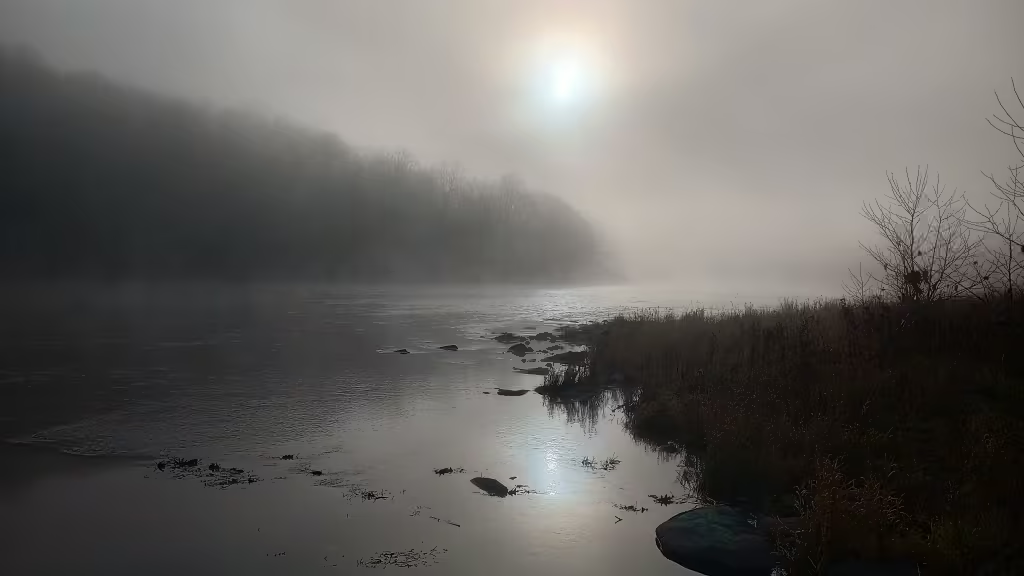
Understanding River Rapids Classifications
The Upper Delaware River is a treasure troved with dynamic rapids to keep paddlers engaged and cautious. To classify these river conditions and understand their unique challenges, the International Scale of River Difficulty (Class I-VI) is essential.
The International Scale of River Difficulty
The International Scale of River Difficulty ranges from Class I (easiest) to Class VI (most difficult), providing a standard to gauge your paddling experience and safety needs.
- Class I: Easy, small waves and clear passages.
- Class II: Straightforward rapids with wider channels and easily navigable waves.
- Class III: Intermediate, powerful waves requiring precise paddling.
- Class IV: Advanced, with intense rapids and potentially dangerous obstacles.
- Class V: Expert, extremely difficult with long, turbulent rapids requiring advanced skills and safety precautions.
- Class VI: Extreme, near impassable, and entail a high risk of life-threatening situations.
Class I and II Rapids on the Upper Delaware
On the Upper Delaware, Class I and II rapids are common. Class I rapids are characterized by small, gentle waves. They demand basic maneuvering skills and are ideal for beginners. An example is the current’s meandering nature downstream from Narrowsburg.
Class II rapids, like those found at the Mongaup Rapid section, offer straightforward, wider channels but with slightly increased challenge. These rapids demand a bit more steering skill, as evidenced by more pronounced waves and faster-moving water.
Distinguishing Rapid Classifications
The key distinctions between rapid classifications revolve around the force of the water, the size of the waves, and the skill required to navigate safely.
- Class I: Suitable for all skill levels, often has clear water with visible obstacles.
- Class II: Slightly tumultuous with obvious waves; requires basic paddling techniques.
For paddlers, identifying these characteristics helps in planning and preparation. It ensures a safe and enjoyable journey along the river’s thrilling pathways. Remember to always verify conditions before setting off to match your skill level to the river’s temperament.
Navigating through river conditions and understanding the classification of rapids is just the beginning. Equally important is preparation and the essential safety gear needed to ensure an enjoyable adventure.
Notable Rapids on the Upper Delaware
Staircase Rapids
The Staircase Rapids are among the most exhilarating and challenging stretches on the Upper Delaware River. Classified as Class II rapids, they offer a series of swift drops and sudden turns that require careful navigation and sharp attention. The rocks are strategically positioned, creating standing waves and chutes that can be thrilling for intermediate paddlers. Amidst the spray and excitement, it’s essential to maintain a steady stroke and use your paddle to steer through the currents, avoiding the larger boulders and catching the river’s natural flow.
Mongaup Rapids
The Mongaup Rapids present another exciting challenge along the river. These rapids are situated where the Mongaup River converges with the Delaware, characterized by a swirling confluence of water that accelerates into a series of waves and small drops. Classified within the upper range of Class II, Mongaup Rapids require a bit more technique, including deft maneuvers and the ability to read the river’s currents. The best way to navigate this rapid is to stay in the center channel, paddle forcefully through the waves, and maintain balance.
Other Significant Rapids
Several other notable rapids punctuate the Upper Delaware River, each offering unique characteristics and challenges. Some of the key locations include Shohola Rapids and Skinners Falls. Shohola, located upstream from Staircase Rapids, features gentle waves and minor obstacles, making it ideal for beginners looking to taste the adventure of river paddling. Skinners Falls, just downstream from the Narrowsburg Bridge, provide shallow, rocky rapids perfect for practicing basic paddling skills amid a beautiful backdrop.
As you plan your journey, being familiar with these notable rapids will enrich your paddling experience and enhance your connection with the river’s dynamic environment. Remember to enjoy the thrill while staying vigilant and prepared for the natural challenges these rapids present.
Essential Safety Equipment and Preparation
Importance and Proper Use of Personal Flotation Devices (PFDs)
Personal Flotation Devices (PFDs) are vital for ensuring safety during your Upper Delaware River adventure. A well-fitting PFD should be worn at all times while on the water. Make sure to choose a Type III or V PFD, which are designed for paddling activities. Adjust the straps so that the PFD fits snugly but comfortably, ensuring that it doesn’t ride up while in the water. Regularly check for wear and tear and replace the device if it shows signs of damage.
Must-Have Items in Your River Safety Kit
Before heading out, prepare a comprehensive river safety kit. Essential items include:
- Helmet: Protects your head from unexpected bumps or collisions.
- Whistle: A crucial tool for signaling and communication in case of separation or emergencies.
- Throw Bag: Contains a rope for rescuing others from the water.
- First-Aid Kit: Should include bandages, antiseptic wipes, tweezers, and any personal medications.
- Knife: A multipurpose tool that can be useful in various scenarios.
- Dry Bag: Keeps your essential items, like a mobile phone and map, dry.
Having these items at hand can make a significant difference in ensuring your safety and the safety of those around you.
Weather Monitoring and Trip Planning Considerations
Weather conditions can greatly affect your paddling experience. Always check the forecast before your trip and be prepared for sudden changes. Avoid paddling if thunderstorms or strong winds are expected. High or low water levels can also alter river conditions, making some sections more challenging or dangerous than usual.
Planning your trip based on your skill level and the river’s conditions is critical. Start with shorter trips if you’re a beginner and gradually tackle longer sections of the river as you gain experience. Utilize maps and guidebooks to plan your route and familiarize yourself with the access points and notable rapids along the way.
By being well-prepared with the right safety equipment and thorough trip planning, you’ll be better equipped to enjoy a safe and fun paddling adventure on the Upper Delaware River.
River Safety Guidelines and Best Practices
Basic Paddling Techniques for Navigating Rapids Safely
Navigating rapids demands a fundamental understanding of paddling techniques. First, maintain a balanced and stable posture in your kayak or canoe. Always face downstream and use sweeping strokes on each side to steer. When approaching rapids, identify the main current, or “tongue,” which typically provides the safest path. Paddle continuously to keep control, and angle your vessel slightly into the waves to avoid capsizing.
Group Communication and Emergency Response Protocols
Effective communication is critical when paddling in groups. Use hand signals or whistles to convey messages over the noise of the rapids. Establish a clear leader and tail person within the group. In case of an emergency, follow a pre-determined protocol: ensure everyone is accounted for, provide first aid if needed, and use your throw bag or rope to assist someone in the water.
Understanding River Hazards and How to Avoid Them
Rivers present hazards, from strainers (obstructions that allow water flow but block larger objects) to low-head dams. Always scout the river ahead to identify potential dangers. Avoid passing too close to riverbanks or rock formations, where hazards like fallen trees might be hidden. Understand the river’s hydrology to anticipate strong currents and whirlpools. Lastly, educate yourself on how to identify and avoid these hazards to ensure a safe journey.
By mastering these safety guidelines and best practices, you’ll be well-prepared for your paddling adventure on the Upper Delaware River.
Planning Your Upper Delaware River Adventure
Recommended Access Points and Trip Duration Options
Mapping out your Upper Delaware River adventure starts with selecting the right access points and planning your trip duration. For a smooth paddling experience, consider popular access points such as Hancock, Ten Mile River, Narrowsburg, and Barryville. These spots offer convenient parking, restrooms, and easy river entry.
Trip durations can vary based on your experience and time availability:
- Half-Day Trips: Ideal for beginners, these trips often take 2-4 hours and cover segments of the river with Class I or II rapids.
- Full-Day Trips: For those seeking a full day of adventure, plan for 6-8 hours on the water. This length allows you to experience more of the river’s diverse sections, including areas with gentle rapids and serene stretches.
- Multi-Day Trips: If you want a more immersive experience, opt for a multi-day trip. These trips usually span 2-3 days with overnight camping at designated sites along the river.
Best Times of Year for Different Skill Levels
Each season on the Upper Delaware offers unique conditions, making certain times more suitable for different skill levels:
- Spring: High water levels from snowmelt create more challenging rapids, ideal for experienced paddlers.
- Summer: Lower water levels make for a gentler ride, perfect for beginners and families. Longer daylight hours also provide ample time for extended trips.
- Fall: Moderate water levels and beautiful foliage offer a balanced experience for intermediate paddlers wanting both excitement and scenery.
Local Outfitters and Guide Services Available
Local outfitters and guide services are invaluable for ensuring a safe and enjoyable trip. They provide equipment rentals, shuttles, and professional guidance. Some of the notable outfitters include:
- Kittatinny Canoes: Known for their extensive service offerings, including guided tours and complete paddle packages.
- Lander’s River Trips: Offers various trip options and river gear tailored to different skill levels.
- Indian Head Canoes: Specializes in rentals and guided trips, with a focus on family-friendly adventures.
These outfitters not only equip you with quality gear but also provide valuable local knowledge, which can enhance your river adventure.



