
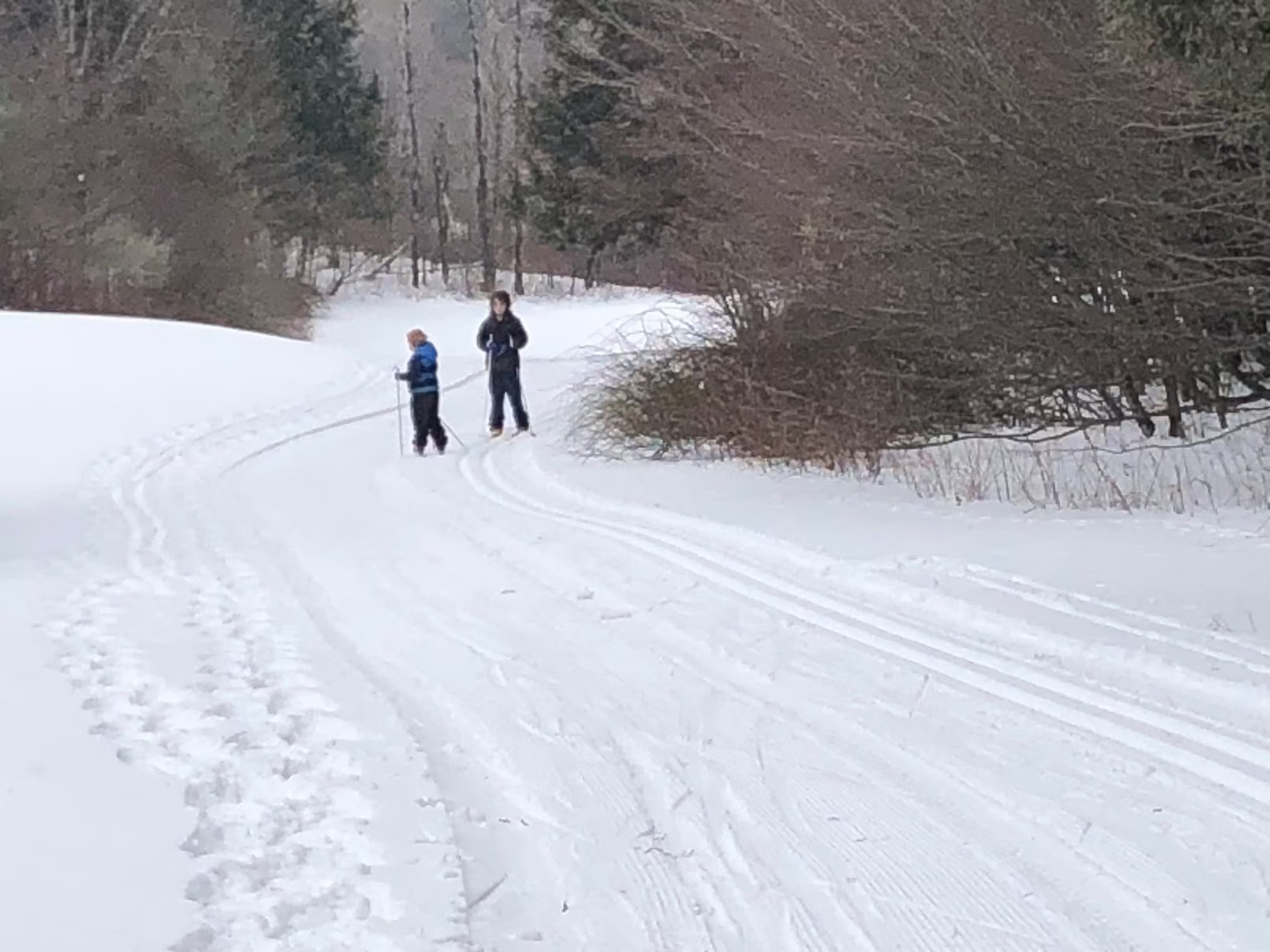
Introduction to Nordic Skiing
Overview of Nordic Skiing and Its Popularity in the Catskills
Nordic skiing, also known as cross-country skiing, involves traversing snow-covered terrain with the help of skis and poles. Unlike alpine skiing, which is generally done on downhill slopes, Nordic skiing is typically performed on flatter, more varied landscapes. This activity has a rich history dating back thousands of years and is deeply embedded in Nordic cultures.
The Catskills region in New York has become a prime destination for Nordic skiing enthusiasts. Thanks to its picturesque landscapes and well-maintained trails, both locals and tourists flock here every winter to enjoy the serene beauty of the mountains while getting a great workout.
Difference Between Nordic (Cross-Country) and Alpine Skiing
While both Nordic and alpine skiing involve gliding over snow, they differ in several key aspects:
- Terrain: Nordic skiing is performed on varied terrain, which can be flat, uphill, or gently rolling. In contrast, alpine skiing is typically done on steep, downhill slopes.
- Equipment: Nordic skis are lighter and narrower, with free-heel bindings that allow for a natural stride. Alpine skis are heavier and have fixed-heel bindings for better control during descents.
- Technique: Nordic skiing emphasizes endurance and smooth, gliding motions, making it more aerobic. Alpine skiing focuses on strength and agility, with an emphasis on quick, dynamic movements down the slopes.
Benefits of Nordic Skiing for Beginners
Nordic skiing offers numerous benefits, particularly for beginners:
- Low Impact: The gentle gliding motion of Nordic skiing is great for those new to the sport or looking for a low-impact workout. It minimizes stress on the joints while still providing a comprehensive workout.
- Full-Body Workout: This activity engages multiple muscle groups, including your core, arms, and legs, providing a balanced workout. It’s not just great for burning calories but also for building endurance and strength.
- Accessibility: With simpler equipment and less intimidating terrain compared to alpine skiing, beginners can quickly pick up the basics and start enjoying the sport.
- Mental Health: Beyond physical benefits, skiing through serene, snowy landscapes can be incredibly calming and stress-reducing, offering a mental break from everyday hustle and bustle.
Nordic skiing in the Catskills is more than just a fun winter activity; it’s an opportunity to connect with nature and embrace a healthy, active lifestyle. Whether you’re a local or visiting for the weekend, you will see the gentle beauty. You will notice that the welcoming community makes the Catskills an ideal place to start your Nordic skiing adventure.
Essential Equipment
Basic Nordic Ski Gear: Skis, Poles, and Boots
Let’s dive into the gear you’ll need to start your Nordic skiing journey. Nordic skis are designed to be lightweight and efficient on varied terrain. They come in three main types: classic, skate, and touring skis. Classic skis are suitable for groomed tracks and have a groove running down the base for stability. Skate skis are shorter and stiffer, optimized for faster skating motions. Touring skis are broader and better for off-track adventures.
Poles are essential for balance and propulsion. The right pole length should allow your elbow to form a near-90-degree angle. For classic skiing, poles should reach your armpits, while skate skiing poles should be shoulder height.
Next, let’s talk boots. Nordic ski boots should provide good ankle support while allowing free heel movement. Look for boots that are compatible with your ski bindings. Classic boots are softer, whereas skate boots offer more ankle support.
Clothing Recommendations for Comfort and Safety
Dressing properly is crucial for an enjoyable Nordic skiing experience. Layering is the key. Start with a moisture-wicking base layer to keep sweat away from your skin. Add an insulating middle layer, like fleece, for warmth. Your outer layer should be windproof and waterproof to protect against the elements.
Don’t forget your extremities. Wear a good pair of gloves, a hat or headband to cover your ears, and moisture-wicking socks. Sunglasses or goggles can protect your eyes from glaring snow. Dress in bright colors or wear a reflective vest for added visibility, especially if skiing near dusk.
Where to Rent or Purchase Equipment in the Catskills Region
If you’re not ready to invest in your own gear, renting is a great option. Numerous ski shops and Nordic centers in the Catskills offer rental services.
Ready to buy your own equipment? Check out shops like Mountain Trails Cross Country Ski Shop, where you can find everything from skis to apparel. Local stores often offer tuning services and expert advice, ensuring you get gear that fits your needs and skill level.
With the right gear and clothing, you’re set to begin your Nordic skiing adventure. Up next, let’s explore the best locations in the Catskills for beginners to practice their skills.
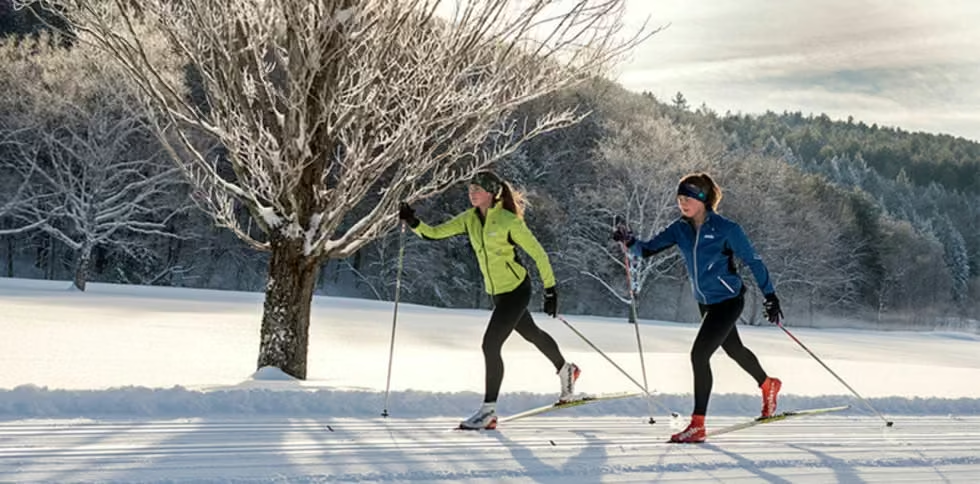
Best Beginner-Friendly Locations
Recommended Trails in the Catskills
For newcomers to Nordic skiing, the Catskills offer an excellent range of flat, groomed trails that make for a smooth introduction to the sport. Here are some top picks:
- Kaaterskill Rail Trail: This 1.5-mile scenic route is perfect for beginners looking for an easy and enjoyable experience.
- Frick Pond Loop: A 2-mile loop that features gentle slopes and well-groomed trails, ideal for those starting out.
- Wilson Camp Loop: This trail extends for roughly 2.5 miles and offers a mix of open space and forested areas, giving new skiers a taste of various landscapes.
Popular Nordic Ski Centers
The Catskills also host several Nordic ski centers, complete with amenities designed to make your experience enjoyable and convenient:
- Mountain Trails Cross Country Ski Center: With a wide variety of beginner trails, equipment rental options, and warming huts, this center is an excellent starting point.
- Frost Valley YMCA: Featuring over 30 kilometers of well-groomed trails, and a host of additional facilities such as a gear shop and restrooms, it offers both convenience and adventure.
Understanding Trail Difficulty Ratings
As you explore these trails, you’ll notice they come with difficulty ratings that help you gauge which ones are suitable for your skill level:
- Green: These are the easiest trails, typically flat and smooth, perfect for beginners.
- Blue: Intermediate trails with moderate elevation gains and more challenging terrain.
- Black: Advanced trails featuring steep slopes and technical elements, suitable for experienced skiers.
Embarking on your Nordic skiing journey in the Catskills can be both fun and rewarding. With these beginner-friendly locations and resources, you’re well-equipped to start exploring and enjoying this invigorating sport.
Basic Techniques
Mastering the basic techniques of Nordic skiing can greatly enhance your enjoyment and reduce the risk of injury. Let’s delve into the fundamental movements, proper posture, and essential safety tips to get you started.
Fundamental Nordic Skiing Movements and Posture
Nordic skiing relies on a few core movements that you can practice to ease into the sport:
- Diagonal Stride: This is the most basic technique, mimicking the natural walking or running movement. Push off with one foot while simultaneously swinging the opposite arm and pole forward. Ensure that the push-off leg remains fully extended to maximize efficiency.
- Double Poling: Engage both poles simultaneously to propel yourself using upper body strength, ideal for flat and slightly downhill terrain. Keep your elbows flexed and rhythmically plant both poles as you glide forward.
- Kick and Glide: Achieve a smooth transition with a combination of kicking one ski forward while gliding on the other. It’s essential to keep your weight centered over the gliding ski for better balance and control.
Correct posture is also crucial:
- Maintain a slightly forward lean, with your knees slightly bent and your weight centered over your toes.
- Keep your core engaged and try to maintain a relaxed but alert stance to react quickly to changes in the terrain.
How to Stop and Control Speed Safely
Knowing how to manage your speed is vital for a safe Nordic skiing experience:
- Snowplow: Spread your skis into a V shape, tips together and tails apart. Push the tails outward to increase friction and slow down. This technique is useful for gradual stopping or controlling speed on downhills.
- Side Stepping: To avoid excessive speed, especially on steep descents, step sideways and slightly uphill to control your momentum.
- Herringbone: For climbing, position your skis in a V shape with tips apart. Step upward using the inside edge of your skis for traction.
Common Beginner Mistakes to Avoid
Avoiding common mistakes can help you progress more rapidly and safely:
- Overexertion Early On: Start slow to build endurance and avoid fatigue or injury.
- Stiffness: Stay relaxed to absorb terrain variations. Keep movements fluid rather than rigid.
- Looking Down: Maintain a forward gaze rather than looking down at your skis. This helps with balance and anticipates obstacles ahead.
- Weight Distribution: Ensure that your weight is adequately distributed. Too much weight on the rear ski can cause imbalance, so try to keep it centered over the gliding ski.
Equipped with these basic techniques, you are now ready to venture onto the trails with greater confidence.
Planning Your First Outing
Weather Considerations and Best Times to Ski
When embarking on your first Nordic skiing adventure in the Catskills, paying close attention to weather conditions is crucial. Ideally, you want to head out on days when the temperature is slightly below freezing, around 28-32°F. This provides optimal trail conditions, ensuring the snow remains firm enough for smooth skiing.
Before you go, check the local weather forecast. Avoid skiing during heavy snowfall, strong winds, or after freezing rain. These conditions can make trails hazardous and less enjoyable. Mid-morning to early afternoon tends to be the best time to ski, offering the most sunlight and warmth.
Safety Tips and Trail Etiquette
Safety should always be a priority. Here are some essential tips to keep in mind:
- Bring a map: Familiarize yourself with the trail routes and landmarks. Having a physical map can be helpful, even if you plan to use a smartphone.
- Communicate your plan: Let someone know your skiing route and expected return time.
- Stay hydrated and fueled: Bring water and snacks to maintain energy levels throughout your skiing session.
- Dress in layers: Wear moisture-wicking base layers, insulating mid-layers, and a waterproof outer layer.
- Follow trail etiquette: Stick to marked trails, yield to faster skiers, and avoid obstructing the path.
Respecting fellow skiers and the environment ensures a pleasant experience for everyone.
Recommended Duration for Beginner Sessions
If you’re new to Nordic skiing, start with shorter sessions. Aim for 30 minutes to an hour on your first few outings. This allows you to build stamina and get comfortable with your equipment and techniques without overexerting yourself. Gradually increase the duration as you become more confident and physically fit.
With these considerations in mind, you’ll be well-prepared for an enjoyable Nordic skiing adventure. As you gain experience, you’ll find new ways to appreciate and explore the beautiful Catskills trails.



