

Foundation of Project Success
Defining Clear Project Objectives and Success Criteria
Establishing clear objectives and success criteria is paramount for project success. Start with a specific vision of what the project aims to accomplish. Detail precise, measurable goals that guide stakeholders and team members. Success criteria should include key performance indicators (KPIs) and measurable milestones. Clear objectives ensure all parties have a shared understanding of what success looks like.
Establishing Project Scope and Deliverables
Project scope defines the project’s boundaries. It details what will and won’t be included. This clarity prevents scope creep, ensuring the project stays on track and within budget. Define deliverables early, specifying quantifiable outputs. These deliverables act as checkpoints, showcasing progress and keeping the team aligned.
Securing Stakeholder Buy-In and Alignment
For a project to be successful, securing stakeholder buy-in is crucial. Aligning stakeholders with the project vision and objectives fosters support and collaboration. Regular updates and transparent communication help maintain stakeholder engagement and trust. This alignment ensures that all parties are working towards the same goals, facilitating smoother execution and higher chances of success.
Transitioning to effective project planning is the next logical step. This stage involves detailed scheduling and resource allocation, vital for keeping the project on track.
Effective Project Planning
Creating Realistic and Detailed Project Schedules
Crafting a project schedule lays the groundwork for successful project delivery. Begin by defining milestones and key activities. These steps guide your project from conception to completion. Use tools like Gantt charts for visual timelines, helping track progress and dependencies. Break down tasks into manageable chunks and assign realistic deadlines. Buffer times can help accommodate unexpected delays.
Allocating Resources Efficiently
Efficient resource allocation is crucial to avoid bottlenecks. Identify the resources needed for each task, including personnel, equipment, and budget. Make sure resources are available when needed and avoid over-allocating them. Balance the workload to prevent burnout, ensuring optimal performance. Use resource management tools to track usage and forecast future needs.
Developing Comprehensive Work Breakdown Structures
A Work Breakdown Structure (WBS) is your project’s blueprint. It divides the project into smaller, more manageable components. Start with the major deliverables and break them down into smaller tasks. This structured approach ensures nothing is overlooked. It enhances clarity and assigns responsibilities, helping team members understand their roles and tasks.
With a well-planned strategy, your project is set for a smooth journey. Next, bolster your communication strategies to keep everyone in sync and engaged.
Communication Strategies
Implementing Regular Status Updates and Reporting Mechanisms
Regular status updates are the backbone of effective project communication. They provide everyone involved with the current state of the project, highlight any issues, and align expectations. To implement regular status updates:
- Establish a Schedule: Determine how often updates should be shared. Weekly or bi-weekly updates are common, but the frequency can be adjusted based on project needs.
- Use Standardized Formats: Consistent formats ensure clarity and minimize confusion. Reports might include sections like progress against milestones, upcoming tasks, and identified risks.
- Leverage Tools: Collaboration platforms like Slack or Microsoft Teams streamline updates and facilitate easy access for all stakeholders.
Establishing Clear Communication Channels and Protocols
Clear communication channels and protocols are essential for maintaining smooth information flow. Here are some best practices:
- Define Channels: Identify primary communication channels (e.g., emails, instant messaging, regular meetings) and their specific purposes.
- Outline Expectations: Clearly outline expected response times and communication etiquette. This includes email response times, meeting attendance, and document sharing protocols.
- Centralize Documentation: Use a shared location, like a project management tool or shared drive, to store all project documents and communications. This ensures everyone has access to the latest information.
Facilitating Effective Stakeholder Engagement
Engaging stakeholders effectively helps ensure project success by building trust and securing buy-in. Here’s how to achieve this:
- Regularly Involve Stakeholders: Schedule regular meetings and include stakeholders in key decision-making processes. This keeps them informed and invested in the project’s success.
- Tailor Communication: Adjust your communication style based on stakeholder preferences and needs. Some may prefer detailed reports, while others might appreciate brief summaries.
- Seek Feedback: Encourage open feedback to understand stakeholder perspectives and address any concerns promptly. This can improve project alignment and preempt potential issues.
A transition to the following section could emphasize the interconnectedness of communication and effective risk management, indicating the importance of keeping stakeholders informed about potential risks and mitigation strategies.
Risk Management
Risk management is crucial for being prepared for any challenges that may arise during a project. Identifying potential risks and opportunities, developing mitigation strategies and contingency plans, and monitoring and updating risk assessments throughout the project lifecycle are essential steps to ensure a project’s success.
Identifying Potential Risks and Opportunities
The first step in risk management is to identify potential risks and opportunities that could impact the project. This involves brainstorming sessions with the project team, reviewing historical data from past projects, and conducting SWOT (Strengths, Weaknesses, Opportunities, Threats) analyses. Common types of risks include budget overruns, schedule delays, technical challenges, and resource shortages. On the other hand, opportunities might be new technologies or techniques that can enhance project deliverables.
Developing Mitigation Strategies and Contingency Plans
Once risks have been identified, the next step is to develop mitigation strategies. These are proactive measures designed to reduce the likelihood or impact of risks. For example, implementing rigorous testing procedures to minimize technical failures or establishing clear communication protocols to prevent misunderstandings can be effective strategies.
Additionally, it’s crucial to have contingency plans in place. These are the ‘Plan B’ options to be enacted if a risk materializes. Contingency plans should be detailed and actionable, ensuring that the project can continue with minimal disruption. This might include allocating a budget reserve for unexpected expenses or having backup suppliers ready to step in if the primary vendor fails to deliver.
Monitoring and Updating Risk Assessments
Risk management is not a one-time task but a continuous process. Regularly monitoring and updating risk assessments ensures that the project remains resilient and adaptable to new challenges. This involves keeping an open line of communication with the project team, tracking key performance indicators (KPIs), and conducting periodic risk reviews.
By staying vigilant and flexible, project managers can respond swiftly to emerging risks and seize new opportunities as they arise. This proactive approach is vital for maintaining project momentum and achieving successful project delivery.
Team Leadership and Motivation
Building and Maintaining High-Performing Teams
Effective team leadership is the cornerstone of any project’s success. Leaders should nurture a sense of trust and cooperation among team members. Establishing clear roles and responsibilities helps mitigate conflicts and ensures everyone knows what is expected of them.
Regular team-building activities can strengthen bonds and improve overall team dynamics. Open communication lines are critical, and fostering an environment where team members feel comfortable sharing ideas and feedback can lead to innovative solutions.
Fostering a Positive Project Culture
Creating a positive project culture means developing an environment where team members feel valued and supported. This can be achieved by:
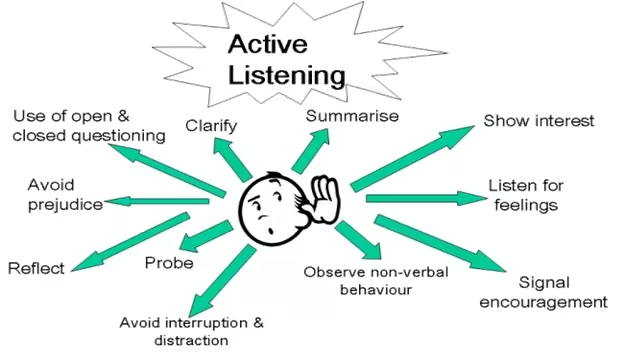
- Encouraging open communication and active listening.
- Promoting work-life balance to prevent burnout.
- Supporting professional development opportunities.
- Recognizing and respecting diversity within the team.
A positive culture not only boosts morale but also enhances productivity and leads to better project outcomes.
Implementing Effective Recognition and Reward Systems
Recognition and reward systems are essential for maintaining motivation. Effective systems should be fair, transparent, and aligned with the team’s values and goals. Consider the following:
- Regularly recognize individual and team achievements, both publicly and privately.
- Provide tangible rewards, such as bonuses, promotions, or additional professional development opportunities.
- Create a celebratory culture where successes are shared and appreciated by everyone.
A well-executed recognition system can significantly enhance motivation and lead to sustained high performance.
Recognizing the importance of effective leadership and motivation sets the stage for exploring the best practices in quality control and monitoring.
Quality Control and Monitoring
Ensuring the success of a project involves diligent quality control and monitoring. This critical process ensures consistency, compliance with standards, and timely identification of potential issues. By establishing clear quality metrics, implementing tracking systems, and conducting regular health checks, teams can maintain high standards and achieve project goals.
Establishing Quality Metrics and Standards
Clear quality metrics and standards are essential for gauging project performance. They provide a benchmark for evaluating whether the project meets its objectives. Here are some steps to establish these:
- Define Requirements: Clearly articulate what constitutes project success concerning quality. This involves setting specific, measurable, achievable, relevant, and time-bound (SMART) objectives.
- Set Benchmarks: Determine acceptable thresholds for variances. This includes specifications for materials, outputs, and procedures.
- Documentation: Maintain comprehensive documentation that details the quality requirements and standards. This serves as a reference for all team members and stakeholders.
Implementing Effective Tracking and Monitoring Systems
Tracking and monitoring systems are vital for ensuring adherence to quality metrics. These systems should be integrated into the project workflow to catch issues early and ensure corrective actions are taken promptly.
- Real-time Tracking Tools: Use digital tools and software that provide real-time updates on project progress and quality metrics.
- Regular Audits: Conduct regular quality audits to review compliance with established standards. This helps in identifying discrepancies and areas needing improvement.
- Feedback Loops: Establish mechanisms for continuous feedback from team members and stakeholders. This ensures that quality issues are addressed promptly.
Conducting Regular Project Health Checks
Regular project health checks are crucial for proactive quality management. They ensure that the project remains on track and any deviations are managed effectively.
- Scheduled Reviews: Implement regular intervals for project health checks. These can be at milestones or set periods throughout the project lifecycle.
- Comprehensive Assessments: Health checks should include assessments of progress against project timelines, resource utilization, and adherence to quality standards.
- Actionable Insights: Use the findings from health checks to drive improvements. Implement corrective measures and adjust plans to address any identified issues.
By integrating these quality control and monitoring practices, teams can ensure their projects meet the required standards and deliver value to stakeholders. Consistency in applying these strategies fosters continuous improvement and project success.
Looking ahead, attention shifts to how these principles apply to achieving optimal project closures and learning from previous experiences.
Project Closure and Learning
Conducting Thorough Project Reviews and Assessments
Wrapping up a project successfully involves more than just submitting the final deliverables. It requires a meticulous review process to ensure all aspects of the project are evaluated. Conducting thorough project reviews helps identify what worked well and what didn’t, providing insights for future endeavors. This step typically involves:
- Final Deliverable Checklist: Ensure all deliverables meet the established success criteria.
- Stakeholder Feedback: Gather detailed feedback from all stakeholders, including team members, clients, and partners.
- Performance Analysis: Compare the actual performance against the project plan to understand variances in timelines, resources, and outcomes.
Documenting Lessons Learned and Best Practices
Documenting lessons learned is crucial for organizational growth. It’s about capturing those “aha” moments and pitfalls encountered during the project. This creates a valuable repository of knowledge for future projects:
- Success Stories: Highlight what strategies or methodologies contributed to success.
- Mistakes and Failures: Identify and document the root causes of any failures or missed objectives.
- Improvement Areas: Recognize areas for process enhancements and efficiency improvements.
Celebrating Successes and Acknowledging Contributions
Celebrating project success boosts morale and acknowledges the team’s hard work. Recognize individual and team contributions to foster a positive work culture:
- Recognition Ceremonies: Host ceremonies or meetings to publicly recognize team efforts.
- Rewards and Incentives: Provide tangible rewards such as bonuses, gifts, or additional time off.
- Team Reflection: Conduct team reflection meetings to allow everyone to share their experiences and highlights.
Transitioning smoothly from final reviews and lessons learned to celebrating success ensures that all project aspects are thoroughly considered and addressed before final closure.



