
Introduction to Photography in the Catskills
What Makes the Catskills Stand Out
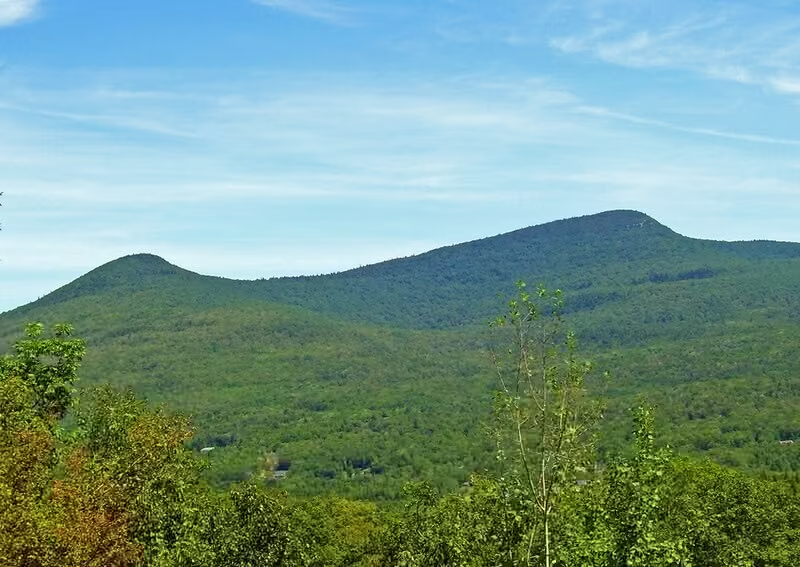
The Catskill Mountains are not just another set of rolling hills. Their dramatic terrain features high peaks, expansive valleys, and clear reservoirs. These natural backdrops blend hardwood forests with rocky outcrops and serene waterways. Spring amplifies these contrasts—icy caves may linger beside blooming wildflowers; waterfalls roll at full force, surrounded by fresh growth. The mix of elevation and varied habitats packs each hike with unique photo opportunities.
Highlights of This Guide
This guide takes you through five outstanding spots:
- Giant Ledge: Sweeping mountain and valley scenery
- Sam’s Point: Mystical ice caves with spring wildflowers
- Kaaterskill Falls: Iconic twin-tiered waterfall with lush surroundings
- Hunter Mountain Fire Tower: Jaw-dropping 360-degree vistas from above
- Ashokan Rail Trail: Calm reservoir reflections and active wildlife
Together, these places capture the best of the Catskills in —each bringing a distinct mood, setting, and chance to capture unforgettable nature shots. Let’s get started exploring!
Giant Ledge: Panoramic Views of the Catskill Mountains
Trail Overview and Ideal Photography Moments
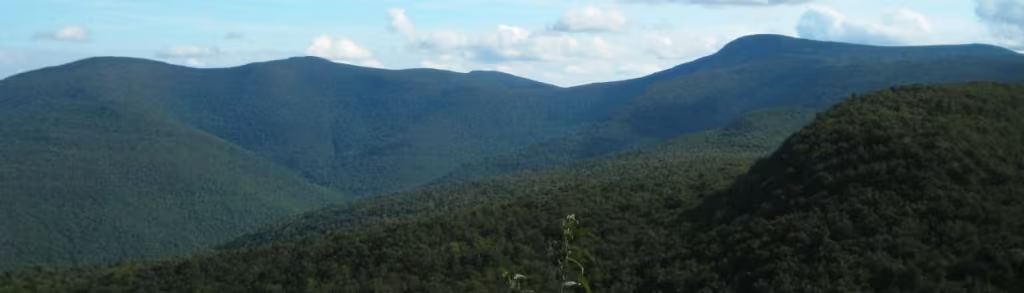
Giant Ledge is known for its accessible hike and breathtaking mountain overlooks. The trail winds through forests, gaining elevation before opening to a series of ledges. Early mornings are excellent for capturing soft, golden light and dramatic shadows stretching across the valleys. Late afternoon brings warm tones that highlight the vibrant greens of spring and add depth to your images.
What to Capture: Key Visuals
Photographers are drawn to the sweeping views of mountain ranges layered against the horizon. The valleys below brim with budding trees and emerging wildflowers—perfect subjects for foreground interest. The patchwork of spring foliage offers fresh contrast and color, making wide-angle shots especially captivating.
Tips for Panoramic Photography
Bring a lens that allows for wide compositions to showcase the grandeur of the Catskills. Consider shooting vertical panoramas to capture the depth from the rocky ledge down to the lush valley floor. A polarizing filter can help reduce glare and intensify the blue of the sky and the green hues below. For best results, wait for clouds to cast shifting patterns of light over the landscape, adding visual drama.
Next, another iconic spot offers a dramatic twist on spring scenery.
Sam’s Point: Ice Caves and Dramatic Landscapes
Discovering Unique Geological Features
Sam’s Point stands out with its impressive ice caves and rugged cliffs. The caves hold pockets of ice well into spring. These icy wonders contrast sharply with the emerging green and budding flowers outside. As you explore, look for how the caves’ cool tones play off the warm sunlight and fresh foliage for striking compositions.
Capturing Ice and Spring in Harmony
Spring at Sam’s Point brings both remnants of winter and signs of new life. Try framing shots where lingering ice meets blossoming plants or mossy rocks. Wide-angle lenses help include both features, while close-ups can emphasize texture and detail in the melting ice.
Best Angles for Dramatic Landscapes
For dramatic shots, head to the cliff’s edge for broad, sweeping views of the Shawangunk Ridge. Early morning or late afternoon gives the landscape a golden glow and accentuates contrasts. Move around the trail to find elevated viewpoints that let you layer rocky outcrops with forests and sky for depth and drama.
With Sam’s Point’s mix of chilly caves and lively spring color, you’ll come away with a series of eye-catching, unique images.
Kaaterskill Falls: Capturing Cascading Waters
Spring Waterfall Photography Techniques
With the snowmelt feeding Kaaterskill Falls, the two cascading tiers flow at their strongest in spring. Use a slow shutter speed (like 1/4 to 1 second) to create that dreamy, silky effect in the flowing water. A tripod is essential for stability. Overcast days offer the best even light to help you avoid harsh shadows and blown-out highlights in your shots.
Exploring Different Vantage Points
There are several ideal spots to shoot these iconic falls. The lower platform offers a front-row view of both waterfall tiers in one frame. For a dramatic perspective, hike up to the upper viewing area—here, you’ll capture the falls plunging through lush spring growth. Always follow posted safety signs when exploring these lookout points.
Adding Spring Blooms and Greenery
Frame your photos to include vibrant moss, ferns, or clusters of wildflowers in the foreground. The fresh greens and colorful blooms around the trail transform routine waterfall shots into lively spring landscapes. A polarizer filter can help reduce glare on wet leaves and rocks, deepening colors and making your images pop.
As you continue your Catskills adventure, every new vista reveals a fresh perspective on spring’s arrival.
Hunter Mountain Fire Tower: 360-Degree Photography
Climbing the Hunter Mountain Fire Tower rewards you with some of the best panoramic views in the Catskills, especially in spring. The ascent can be steep, but the sturdy steps and safety rails make it manageable for most hikers. At the summit, you’ll be greeted by a 360-degree canvas of rolling mountains, greening valleys, and clusters of budding trees.
Early morning or late afternoon offer the most magical light, with golden sunbeams illuminating the undulating landscape. Bring a wide-angle lens to soak in the vastness, and use a tripod for stability against tower breezes. Take time to let the scenery shift—the waking forests and lingering mist create new opportunities with every passing minute.
From this vantage point, the Catskills truly come alive, with endless compositions awaiting every turn.
Ashokan Rail Trail: Reservoir Reflections and Wildlife
Photographing Still Waters and Their Reflections
Spring at the Ashokan Rail Trail brings calm waters, often turning the reservoir into a giant mirror. Early mornings are especially magical, as the light is soft and the surface is glassy. To capture crisp reflections, seek out sections where the water is undisturbed by wind. Level your camera with the horizon to let the sky and mountains form a clean symmetry in your frame. Use a polarized filter to reduce glare, enhancing clarity without losing those dreamy reflections.
Wildlife Encounters Along the Trail
The trail is a haven for spring wildlife. Birdwatchers and photographers alike may spot bald eagles, herons, and warblers amid budding trees. Keep your camera ready, using a telephoto lens to photograph animals without intruding. The quieter you move, the more likely you’ll catch authentic moments—ducklings paddling or deer stepping to the water’s edge. Blind corners and patches of emerging wildflowers are often hotspots for these encounters.
Framing Mountains and Water in One Shot
To show the vastness of the Catskills rising above the reservoir, find vantage points along the trail where the shoreline curves. Compose your photo to include both the serene water and the distant, rolling peaks. The contrast of mountain blues against the reservoir’s spring green adds depth. Try vertical shots for height or wide panoramas to capture the full sweep of this stunning landscape.
As you explore, every step presents new angles and fresh surprises—a true delight for nature photographers in spring.
Essential Photography Gear for Spring Hiking
Protecting Your Equipment from Weather
The Catskills often brings unpredictable weather—one minute it’s sunny, the next, you might encounter a sudden rain shower. Use a weather-sealed camera or a simple rain cover to keep your gear dry. Pack microfiber cloths to wipe away water spots and mud. A lightweight, padded camera bag with a waterproof exterior will add extra protection and comfort on longer hikes.
Recommended Lenses and Filters for Spring Landscapes
Versatility is key for capturing everything from mountain panoramas to delicate wildflowers. A wide-angle lens (16–35mm) brings sweeping valleys and skies into focus, while a telephoto lens (70–200mm) is perfect for wildlife and distant peaks. Don’t forget a polarizing filter—it helps cut glare on water and enhances the lush greens of spring foliage.
Lightweight Tripods for Trail Stability
A sturdy image starts with a stable setup, even on rugged trails. Seek out a carbon fiber tripod—these models are durable, feather-light, and easy to pack. Look for versions with adjustable legs so you can position your camera securely on uneven terrain.
With your gear set up for any adventure, you’re ready to handle whatever the Catskills’ ever-changing spring has in store.
Photography Tips for Changing Spring Conditions
Adapting to Unpredictable Weather and Light
The Catskills keeps photographers guessing. You might arrive under clear skies only to encounter fog or light rain an hour later. Take advantage of these shifting moods. Overcast light softens shadows, making spring greens and wildflowers pop. When the sun peeks out, look for dramatic rays breaking through the clouds, creating natural spotlights on the landscape. Gently embrace the challenge—keep your gear ready, and don’t be afraid to shoot in less-than-perfect weather, as it often yields more atmospheric images.
Capturing Fleeting Phenomena
Early mornings can bring delicate mist or low clouds dancing between the mountains. Arrive just after sunrise—this is the moment for magical, ethereal landscapes. Watch for rain showers; when the sun reappears, rainbows often arch above rivers or valleys. To capture mist, use a tripod and a slightly longer exposure. For rainbows, a polarizing filter can deepen sky colors and make the spectrum pop.
Handling Mud, Water, and Trail Hazards
Trails can be muddy and slick. Protect your gear with waterproof bags and lens covers. Wear sturdy, waterproof boots to stay steady while composing your shots near waterfalls or on saturated paths. Wipe your lens frequently to avoid water spots—these can ruin otherwise great images. Always tread carefully and choose safe, dry spots to set up your tripod or pause for that perfect shot.
Staying mindful of spring’s unpredictability will help you capture the season’s energy and beauty in every frame.
Responsible Photography Practices in the Catskills
Respecting Nature and Preserving Spring Beauty
As you explore the Catskills in spring, remember that your presence can leave a lasting mark—positive or negative—on the land and wildlife. Responsible photography begins with a commitment to Leave No Trace: pack out what you bring in, avoid creating new trails, and keep natural habitats undisturbed. Stay on marked paths, especially in spring when new plants are fragile and groundcover is just recovering from winter.
Respecting Wildlife and Ecosystems
Getting a great shot shouldn’t come at the expense of animals or their homes. Use a zoom lens to capture wildlife from a safe distance. Avoid sudden movements or loud noises that can stress animals. Never feed or attempt to approach wildlife. In early spring, many species are nesting or rearing young, so extra sensitivity matters.
Protecting Sensitive Spring Growth
Spring ushers in delicate wildflowers, budding shrubs, and regenerating mosses. Stepping off trail crushes these new growths and contributes to long-term damage. Stick to established routes, rest only on durable surfaces, and resist picking flowers—even those that seem abundant.
Embracing mindful photography helps preserve the wonder of the Catskills for future visitors.
Planning Your Catskills Photography Adventure
Suggested Itineraries for Exploring Multiple Spots
Strategic planning helps you make the most of your spring photography trip in the Catskills. For a day rich in views, combine stops like Giant Ledge for sunrise, then visit the nearby Ashokan Rail Trail for midday reflections and wildlife. Add Hunter Mountain Fire Tower for golden hour and a sunset panoramic finale. Spreading your adventure across a weekend gives more time to enjoy each location’s unique magic while hiking at your own pace.
Permits and Parking Information
Most major trailheads in the Catskills offer parking, but spaces fill quickly during spring weekends. Arrive early, especially for popular spots like Kaaterskill Falls and Giant Ledge. Some sites may require a day-use parking fee. Always check local regulations ahead, as permit requirements can change, especially in high season.
Timing Your Visits
To avoid crowds and capture pristine conditions, aim for early mornings or late afternoons during weekdays. These off-peak times not only offer softer light but also quieter trails—letting you set up shots without interruption. Spring’s ever-changing weather means flexible planning pays off, opening up opportunities for both dramatic clouds and gentle seasonal blooms.
Remember to let each location inspire your photography adventure in its own way, making your journey both rewarding and uniquely yours.



